







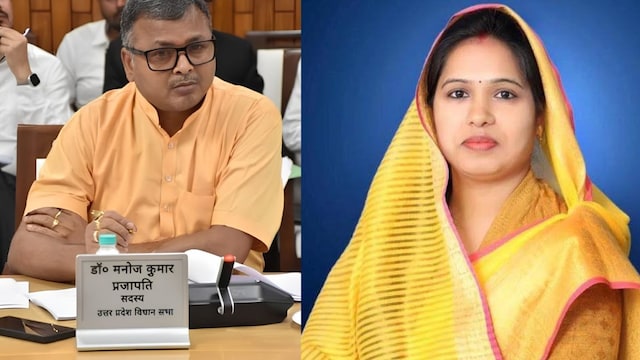
Political Equations in Hamirpur: Will BJP Hold Both Seats?
As Uttar Pradesh prepares for upcoming electoral showdowns, political activity is picking up pace across every corner of the state. In the heart of the historic Bundelkhand region, the political spotlight is firmly fixed on Hamirpur district. Comprising key assembly constituencies such as Hamirpur Sadar and Rath, this semi-arid yet politically influential district has traditionally served as a crucial bellwether for state power dynamics. With major political parties fine-tuning their candidate selections, caste alliances, and grassroots messaging, observers are closely watching whether the ruling Bharatiya Janata Party (BJP) can successfully defend its dominance or if the opposition forces will manage to flip the narrative. Understanding the intricate socio-political fabric of Hamirpur requires a deeper look into its unique demographic balance, historical voting patterns, and contemporary voter expectations.
The Unique Socio-Political Landscape of Bundelkhand's Hamirpur
Geographically diverse and culturally rich, Hamirpur district occupies a vital space in Bundelkhand's electoral calculus. The region has historically faced unique developmental challenges, including water scarcity, agrarian distress, and infrastructural hurdles, making local governance, irrigation schemes, and direct welfare distribution primary talking points during campaign trails. Unlike western Uttar Pradesh or the urbanized hubs of central UP, political loyalties here are often shaped by a combination of traditional community allegiances, grassroots patronage, and deep-seated perceptions of economic delivery. Both the Hamirpur Sadar and Rath segments feature dynamic electorates where no single social group can claim absolute dominance, forcing political parties to craft delicate, multi-layered coalitions.
Hamirpur Sadar Seat: Caste Equations and the Battle for Supremacy
The Hamirpur Sadar assembly constituency represents a fascinating microcosm of Bundelkhand politics, characterized by a diverse mix of backward classes, scheduled castes, and upper-caste communities. Historical voting data reveals that while parties like the Congress held deep historical roots here decades ago, the political terrain has witnessed sharp shifts over recent election cycles, with the BJP consolidating significant ground through targeted organizational outreach and strong leadership representation. However, maintaining electoral momentum on this seat is far from guaranteed. The constituency features sizeable populations of Dalit, backward-caste, and minority voters alongside influential Brahmin and Thakur communities. Opposition parties are aggressively working to fracture the ruling coalition by appealing to marginalized rural demographics and addressing local grievances related to employment and local development.
Rath Assembly Constituency: Dynamics of the Reserved Segment
As a crucial reserved seat for Scheduled Castes, the Rath assembly constituency adds another layer of strategic complexity to Hamirpur's political arena. Over past elections, the contest in Rath has witnessed intense multi-cornered battles where voter turnout, booth-level management, and localized public welfare schemes played decisive roles in swinging the final mandate. The constituents here evaluate candidates intensely on their accessibility, local development work, and implementation of central and state welfare initiatives. Opposition outfits have been staging frequent grassroots meetings in rural pockets surrounding Rath, attempting to mobilize young voters and agricultural workers who feel impacted by inflationary pressures and regional economic hurdles.
Key Factors Shaping the Upcoming Electoral Contest
As political parties gear up for the high-stakes campaign trail, several critical factors will determine the ultimate outcome across Hamirpur's assembly segments. First, the effective management of caste arithmetic—balancing the aspirations of dominant Other Backward Classes (OBCs) and Scheduled Castes with upper-caste support—remains paramount. Second, the ability of local leaders to present a credible roadmap for tackling regional irrigation and unemployment issues will heavily influence undecided and independent voters. Furthermore, organizational cohesion and proactive booth-level activation will separate winning campaigns from faltering ones. Whether the ruling establishment can retain its grip on the district or if opposition parties can engineer a dramatic turnaround remains one of the most compelling political storylines in Bundelkhand.




