







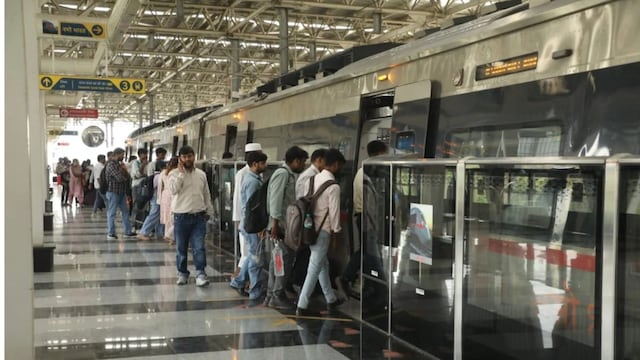
Namo Bharat Runs 32 Extra Trips on Delhi-Meerut Corridor for Bhai Dooj
Festive celebrations often bring immense joy, family reunions, and unfortunately, crippling traffic gridlocks on major highways across the National Capital Region. As families prepare to celebrate Bhai Dooj—the sacred festival honoring the bond between brothers and sisters—travelers frequently face hours of bumper-to-bumper congestion on arterial roads connecting Delhi, Ghaziabad, and Meerut. To ensure that sisters and brothers can meet without the dread of wasting hours trapped in traffic, the National Capital Region Transport Corporation (NCRTC) has announced a major travel relief initiative. On November 11, the high-speed regional rapid transit system will operate 32 additional train trips, significantly boosting service frequency and ensuring a smooth, seamless transit experience for thousands of festive commuters.
Beating the Festive Rush: How Extra Trips Transform Commuter Travel
Bhai Dooj falls on a working day this year, creating a unique overlap of regular office-goers and festive travelers heading out to visit relatives. Highways such as the busy corridors connecting Delhi and Meerut typically experience severe vehicular pressure during such occasions, leaving commuters stranded for hours. Addressing this recurring challenge head-on, the NCRTC has scaled up its operational capacity. While the transit system already runs 20 supplementary trips daily to encourage public transport use amid environmental and traffic concerns, the special rollout will add 32 extra runs specifically tailored for the festive surge. This strategic enhancement ensures that trains will arrive at stations at intervals of less than ten minutes, drastically cutting down waiting times on platforms.
Seamless Connectivity Across the Delhi-Meerut Regional Corridor
The state-of-the-art Regional Rapid Transit System (RRTS) connects key urban nodes, stretching seamlessly from Delhi's Sarai Kale Khan and Anand Vihar hubs through Ghaziabad, Muradnagar, and Modi Nagar, all the way deep into Meerut. By bypassing congested roadways entirely, the rapid transit network slashes travel times between major cities to mere minutes instead of hours, offering a dependable alternative to personal cars and buses. The increased frequency of services on November 11 guarantees that passengers carrying festive gifts or traveling with elderly family members will experience enhanced seating availability, reduced platform crowding, and a comfortable journey from end to end.
Promoting Sustainable Public Transit and Reducing Highway Congestion
Beyond offering holiday convenience, expanding rapid rail operations serves a crucial broader purpose for the capital region. Urban centers across Delhi-NCR continue to battle severe air pollution and heavy vehicular emissions, making the shift toward sustainable public mass transit an environmental imperative. Transport authorities emphasize that by encouraging citizens to abandon private vehicles in favor of high-speed rail during peak festive days, thousands of cars are kept off the highways. This reduction in road traffic not only eases monumental traffic bottlenecks at regional choke points but also plays a vital role in curbing localized vehicle-borne pollution during a critical weather season.
Essential Travel Tips for Passengers on November 11
With a massive turnout of commuters expected along the entire corridor, travelers are advised to plan their journeys efficiently and utilize digital ticketing options through mobile applications or station ticket vending machines to avoid long physical queues. Commuters can also take advantage of integrated feeder bus services, metro interchanges at key stations like Anand Vihar and Ghaziabad, and ample parking facilities available at major RRTS terminals. By choosing the rapid transit network for their festive travel, citizens can reclaim their time, avoid highway stress, and focus entirely on celebrating the cherished traditions of Bhai Dooj with their loved ones.




