







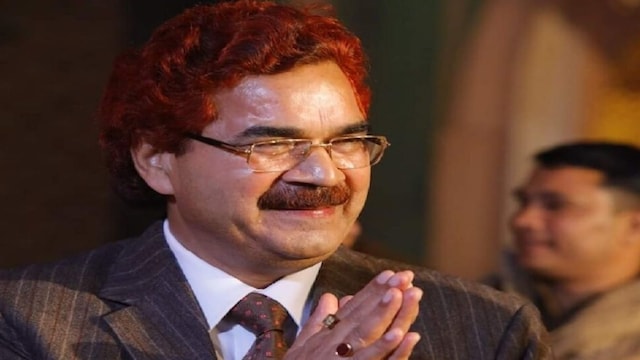
BSP Strategy for UP 2027: Rebuilding Brahmin Coalition in Western Regions
Uttar Pradesh is gearing up for a high-stakes electoral battle, and political corridors across Lucknow and Delhi are abuzz with intense speculations surrounding the upcoming assembly elections. As major political formations refine their caste equations and grassroots strategies, the Bahujan Samaj Party (BSP) under the leadership of former Chief Minister Mayawati is aggressively reviving its time-tested social engineering model. Central to this electoral blueprint is a strategic outreach to western Uttar Pradesh, a region historically known for setting political momentum across the entire state. Amid ongoing organizational overhauls and early candidate clearances, discussions have reignited regarding the prominent Brahmin leadership figures who once anchored the party's multi-caste coalition in western districts, shaping its identity as a formidable force capable of bridging communities across social divides.
The Re-emergence of Social Engineering and Western UP Focus
The political landscape of western Uttar Pradesh features a complex interplay of agrarian dynamics, regional aspirations, and deeply entrenched community loyalties. Recognizing the vital importance of this belt, the BSP leadership has intensified its groundwork, focusing heavily on structured organizational reviews and pre-emptive candidate selections well ahead of schedule. Party insiders note that the central objective is to recreate the historic synergy of the 2007 assembly mandate, which successfully united core Dalit voters with upper-caste communities, particularly Brahmins, alongside sizeable segments of other backward and minority groups. By deploying sector-in-charges and district coordinators to remote rural pockets, the party aims to address localized grievances and re-establish a direct connect with communities that feel politically underrepresented in the current governance framework.
The Significance of Brahmin Representation in Western Districts
In the electoral arithmetic of western Uttar Pradesh, the Brahmin community holds considerable sway across numerous urban and semi-urban assembly segments, stretching from Saharanpur and Meerut down to Aligarh and Mathura. Historically, the party's ability to mobilize upper-caste voters through influential regional figures altered conventional voting patterns, proving that cross-ideological coalitions could triumph over polarization. Seasoned political analysts point out that trusted leaders who maintained deep-rooted connect with local constituents played an instrumental role in conveying the party's inclusive governance message. These figures operated not merely as electoral managers, but as reliable interlocutors who bridged the trust deficit between marginalized social groups and traditional elite classes, fostering a cohesive political identity under a shared umbrella.
Party Strategy and Early Preparations for the 2027 Mandate
With the electoral countdown ticking, the party high command in Lucknow has instructed district units to fast-track the identification of clean-image candidates who command strong local respect. Unlike previous election cycles where candidate announcements often arrived at the eleventh hour, the current operational strategy emphasizes declaring assembly segment incharges months in advance. This proactive approach allows prospective candidates to build personal rapport with voters, consolidate booth-level committees, and counter opposition narratives effectively. Party meetings chaired by senior leadership have continuously stressed that grassroots discipline, transparent communication, and a clear focus on development and law-and-order concerns will remain the cornerstone of their campaign trail.
Challenges and Competitive Dynamics in the Region
Navigating the electoral terrain of western Uttar Pradesh remains an arduous task given the aggressive multi-cornered contest involving the ruling dispensation, major regional opposition outfits, and emerging smaller fronts. Each political player is actively courting caste-specific panchayats and community leaders to secure decisive vote blocks. For a party seeking to reclaim its lost political ground, re-engaging skeptical voters requires sustained door-to-door outreach and a credible articulation of past administrative achievements. Observers suggest that the success of this mission will depend heavily on how effectively local coordinators can translate historical goodwill into active, contemporary ballot-box support, especially among younger demographics who evaluate parties through the lens of employment, economic opportunity, and regional infrastructure.
Looking Ahead: The Road to the State Assembly
As political temperatures rise and high-profile rallies capture public attention across the state capital and regional headquarters, the focus inevitably returns to the ground-level execution of campaign promises. The ability of regional stalwarts and dedicated cadres to revitalize old alliances while adapting to modern communication channels will determine the ultimate shape of the next legislative assembly. Whether this renewed focus on inclusive social coalitions and meticulous micro-management can alter the electoral equation in western Uttar Pradesh remains one of the most compelling narratives to watch as the state marches toward a decisive democratic verdict.




