







Ayodhya Deepotsav 2026: Saints Hail CM Yogi for Transformation
The sacred city of Ayodhya was illuminated with festive fervor, cultural pageantry, and spiritual devotion as the tenth edition of Deepotsav got underway along the banks of the holy Saryu River. Amid the celebration, one of the most resonant events took place at Ram Katha Park, where Uttar Pradesh Chief Minister Yogi Adityanath hosted and felicitated prominent saints, mahants, and spiritual leaders from across the temple town's traditional monastic orders. Presenting the gathered seers with customary sweets, ceremonial dakshina, and festive offerings, the Chief Minister received an outpouring of gratitude and spiritual blessings. The heads of historic akharas, mutts, and shrines praised Adityanath for leading an infrastructure makeover, reviving ancient cultural pride, and turning the annual Deepotsav into an internationally celebrated festival of lights. For the monastic community that has long guarded Ayodhya’s spiritual legacy, the city’s transition from decades of civic neglect to a global pilgrimage destination stands as a historic achievement.
Honoring the Guardians of Faith at Ram Katha Park
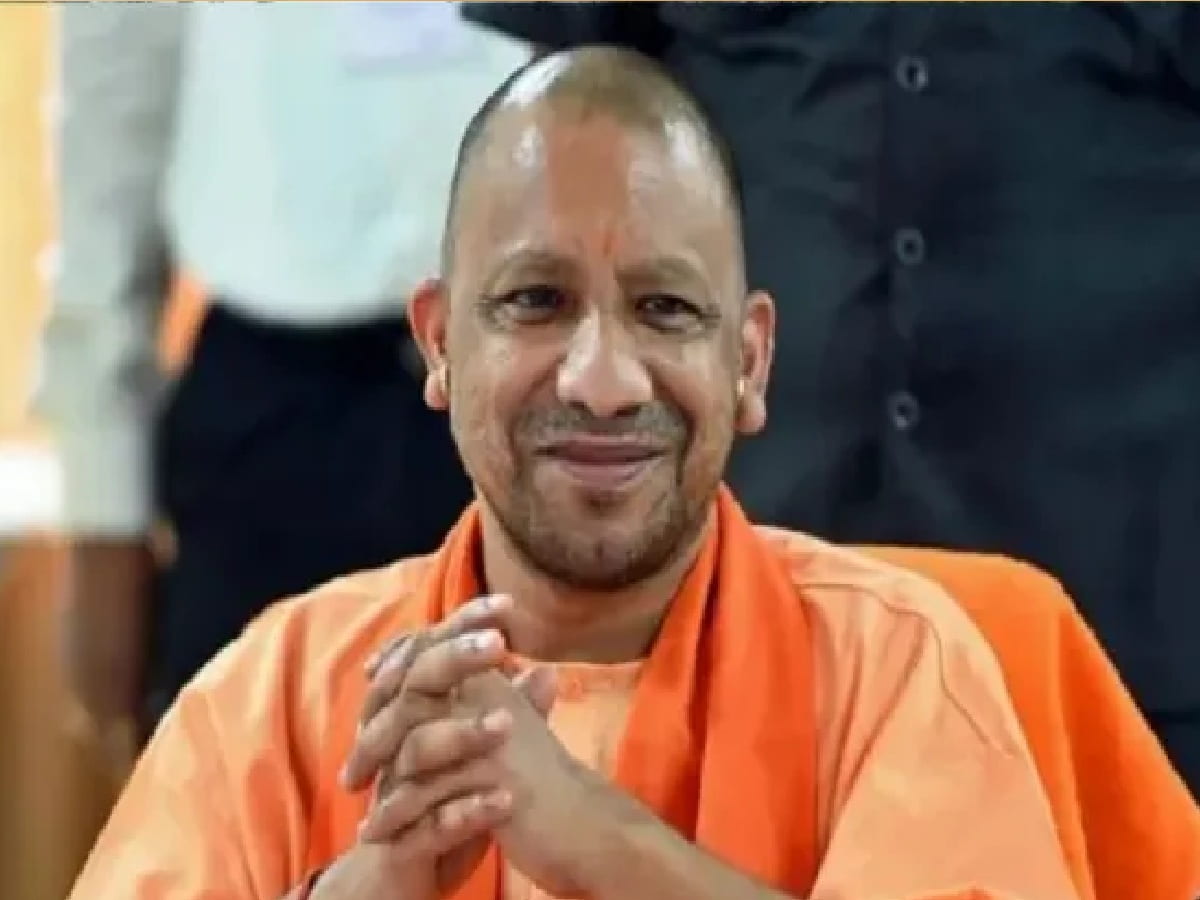
The felicitation ceremony at Ram Katha Park served as a centerpiece of the festival itinerary, underscoring the deep bond between the state leadership and Ayodhya’s monastic fraternity. Dressed in his trademark saffron robes, Chief Minister Adityanath personally greeted each religious dignitary on stage, bowing in reverence before presenting them with traditional angavastrams, brass gift hampers, auspicious sweets, and honorary dakshina. The event marked a moment of mutual respect, acknowledging the decades of spiritual perseverance maintained by these ascetic orders during the long dispute over the Ram Janmabhoomi.
The ceremony reflected the broader ethos of Deepotsav, which has evolved under Adityanath's administration from a modest local celebration in 2017 into an internationally recognized event that draws diplomats, pilgrims, and artists from across the globe. In their addresses to the gathering, leading seers emphasized that the Chief Minister’s governance model has harmonized rapid civil modernization with an uncompromising commitment to preserving the sanctified traditions of Sanatan Dharma. Rather than treating Ayodhya purely as a tourist destination, the administration has placed its spiritual guardians at the heart of civic planning, ensuring that the temple town’s development remains deeply rooted in its living sacred heritage.
Voices of the Akharas: Preserving Hindu Culture and Society
The spiritual leaders took the podium to share their reflections on the transformation unfolding across the holy city. Swami Vishvesh Prapannacharya, the revered Mahant of the historic Sugriva Fort (Sugriv Qila) in Ayodhya, delivered an impassioned tribute to the Chief Minister's resolve. "It is because of Chief Minister Yogi Adityanath that Hindu religion, Sanatan culture, and Hindu society stand completely safe, protected, and dignified today," the Mahant stated, highlighting that spiritual institutions now operate in an environment of unprecedented security and institutional support.
Echoing these sentiments, Jagadguru Ram Dineshacharya, the Mahant of the Haridham Peeth Gopal Temple, commended the global branding of the holy city. He noted that under Adityanath’s tenure, Ayodhya has shed its former atmosphere of stagnation to emerge as a household name across India and overseas. "Through the relentless vision and dedication of the Chief Minister, the sacred name of Ayodhya is resonating with pride in every corner of the country and across international borders," Jagadguru remarked, observing that pilgrims from the United States, Europe, and Southeast Asia now visit the city year-round. Adding to the accolades, Dr. Swami Bharat Lal, the head priest of the revered Udasin Ashram, emphasized that Adityanath has fundamentally redefined festive celebrations. "Yogi Adityanath has given an entirely new aesthetic dimension and spiritual grandeur to Ayodhya Deepotsav, elevating a traditional community practice into a global marvel of faith," Dr. Swami Bharat Lal remarked.
'He Is an Ocean': Divine Grace and the Rebuilding of Ayodhya
The spiritual assembly also heard poetic tributes from prominent temple heads who framed the city's renaissance in divine terms. Vaidehi Vallabh Sharan, the head priest of the Vaidehi Vallabh Punj Bawan Ji Temple, observed that the monumental shifts witnessed over the past few years could only occur under extraordinary circumstances. "Chief Minister Yogi Adityanath is blessed with the special, unreserved grace of Lord Ram Lalla," the head priest remarked. "Describing his contributions in words is an impossible task—he is like an expansive ocean (Sindhu), and whatever praise we attempt to utter is merely a tiny drop (Bindu) in comparison."
The metaphor captured the prevailing mood among the monastic community, where many view the simultaneous completion of the grand Ram Janmabhoomi temple and the surrounding urban renewal as an epochal civilizational turning point. The seers pointed out that while earlier regimes approached religious sites with political ambivalence or restrictive policing, the current leadership has embraced the development of pilgrimage centers as an essential national responsibility, investing substantial state resources into restoring ancient ashrams, bathing ghats, and spiritual pathways across the Ayodhya Dham region.
From Overflowing Drains to World-Class Spiritual Capital
Perhaps the most grounded and vivid appraisal of Ayodhya’s evolution came from Mahant Manish Das of the historic Patthar Mandir, situated along Vasudev Ghat. The Mahant drew a stark contrast between the present state of the city and the grim civic realities that plagued residents and ascetics for decades prior to 2017. "The profound changes visible across Ayodhya today have been made possible solely due to Chief Minister Yogi Adityanath," Mahant Manish Das noted. "There was a time when this sacred city was defined by neglected lanes, crumbling infrastructure, and overflowing, stagnant drains. To witness such widespread cleanliness, four-lane access corridors, pristine riverbanks, and modern public amenities in our lifetime feels like a miracle."
Reflecting on the political dimensions of this ongoing transformation, the Mahant expressed full confidence in the political trajectory of the state, noting that sustained governance is vital for long-term urban and cultural rejuvenation. He voiced firm faith that the Bharatiya Janata Party (BJP) will emerge victorious in the upcoming Uttar Pradesh assembly elections, ensuring that the ambitious infrastructure projects currently underway in Ayodhya proceed without bureaucratic disruption or political reversal.
The Infrastructure Engine: Ram Path, Modern Ghats, and Global Reach
The praise showered by the seers is rooted in tangible changes across the ground reality of the Ayodhya district. Over the past seven years, the Uttar Pradesh government has executed an urban redevelopment plan encompassing multi-lane arterial expressways like Ram Path, Bhakti Path, and Janmabhoomi Path, completely overhauling traffic circulation in the dense old quarter. The modernization of the Maharishi Valmiki International Airport and the redevelopment of the Ayodhya Dham Junction railway station have seamlessly connected the pilgrimage center to major metropolitan hubs, accommodating millions of devotees who have visited since the temple consecration.
Simultaneously, the extensive rehabilitation of 55 bathing ghats along the Saryu River—including Ram Ki Paidi, Guptar Ghat, and Vasudev Ghat—has integrated modern filtration plants, decorative sandstone balustrades, solar-powered illumination, and pedestrian promenades. Open sewage outlets that once discharged directly into the sacred river have been intercepted through underground drainage diversion networks, fulfilling a decades-long demand of the sadhu samaj. By marrying these civic improvements with the lighting of over 30 lakh earthen diyas during Deepotsav, the government has created an economic multiplier effect that supports local artisans, hospitality entrepreneurs, boatmen, and vendors throughout the Awadh belt.
Deepotsav as an Enduring Civilizational Statement
As the evening concluded with the celestial Saryu Aarti and a laser show illuminating the evening sky over Ayodhya, the message from Ram Katha Park was unmistakable. The strong endorsement of Chief Minister Yogi Adityanath by Ayodhya’s diverse monastic orders highlights a unified front between the spiritual establishment and the state administration. By restoring historical dignity to one of the world's oldest spiritual centers while modernizing its everyday infrastructure, the administration has redefined how religious tourism, urban governance, and cultural preservation intersect in modern India. As seers and devotees alike offered their festive prayers for enduring peace and prosperity, Ayodhya’s Deepotsav 2026 stood as a testament to a ancient city that has reclaimed its rightful place on the world stage.




