desk
desk Share
Share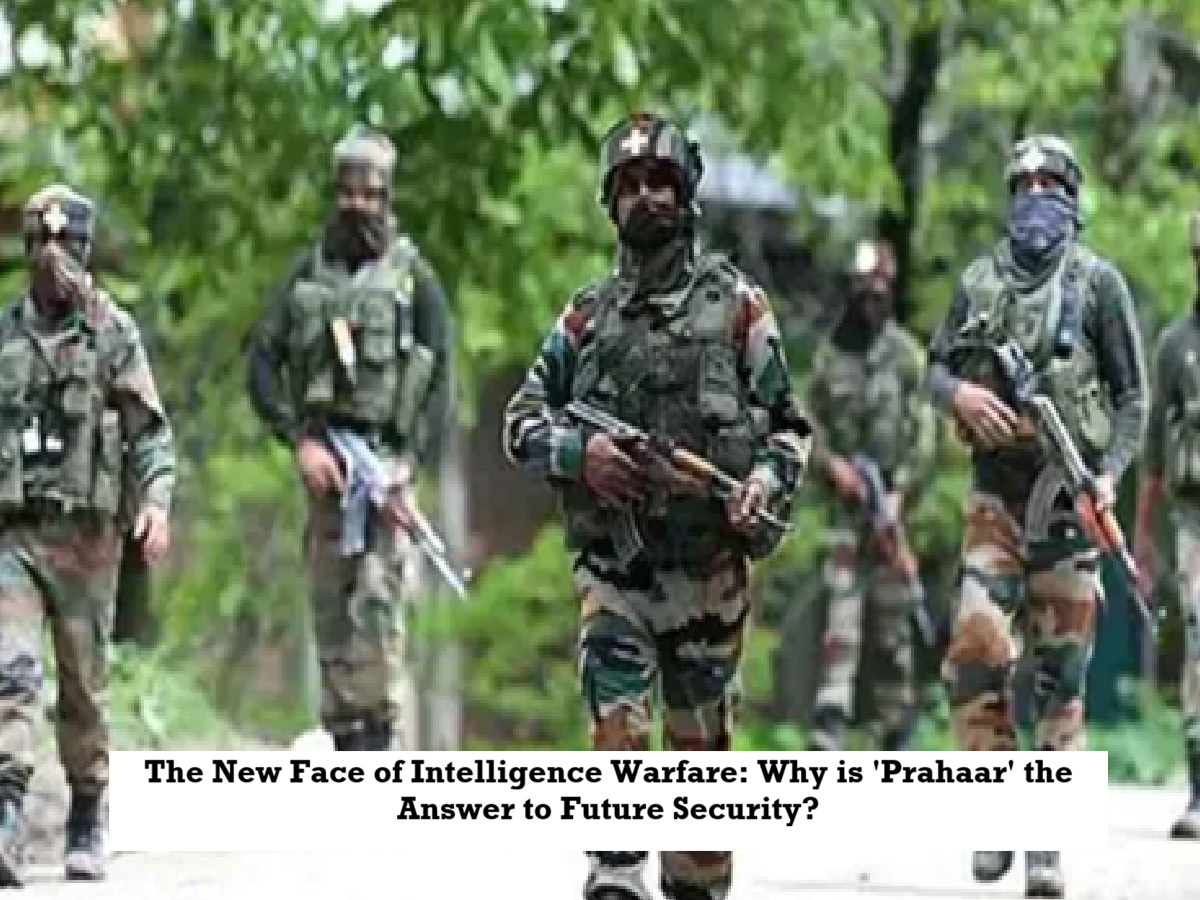
News Topical, Digital Desk : The precision with which Israeli-American operations have been carried out inside Iran in recent days has highlighted the power of intelligence infiltration, far beyond conventional military force. Incidents like the targeting of Iran's Supreme Leader, Ayatollah Khamenei, have demonstrated that modern wars are no longer won on borders, but in the web of information
In this changing global landscape, India's PRAHAAR model has emerged as a game-changer. It is not just a security policy, but an integrated security framework designed to protect India from Iran-like "system intrusions."
Lessons for India from Iran's failure
Former Iranian President Ahmadinejad's admission that Mossad had penetrated his intelligence system demonstrates that even the most robust security systems can collapse due to internal treachery or cyber intrusion. India's PRAHAAR seeks to address this very weakness.
- Unified Framework: While Iran's separate security departments failed to share information, 'Prahar' brings together intelligence agencies, law enforcement, and cyber surveillance under one roof.
- Financial and Digital Tracking: The fundamental principle of Prahaar is to identify funding and networking before an attack can occur. This system is designed to detect suspicious financial transactions and data leaks in a timely manner.
- Countering hybrid threats: Modern adversaries now exploit institutional weaknesses rather than direct attacks. Prahaar identifies silent intrusions that are invisible to conventional radar.
Alarms for security planners
For India, the success of "Prahaar" means a security ring that prioritizes internal sanitation before external aggression. The conflicts in West Asia have made it clear that the country with the best cyber and financial surveillance systems will be the one that best protects its sovereignty.
Read More: Kerala bomb blast case: 10 CPI(M) members get 25 years' jail for attacking RSS-BJP workers
--Advertisement--