Jaipur’s Moti Dungri Temple: How the Sinjara Mehndi Ritual Fulfills Marriage Wishes
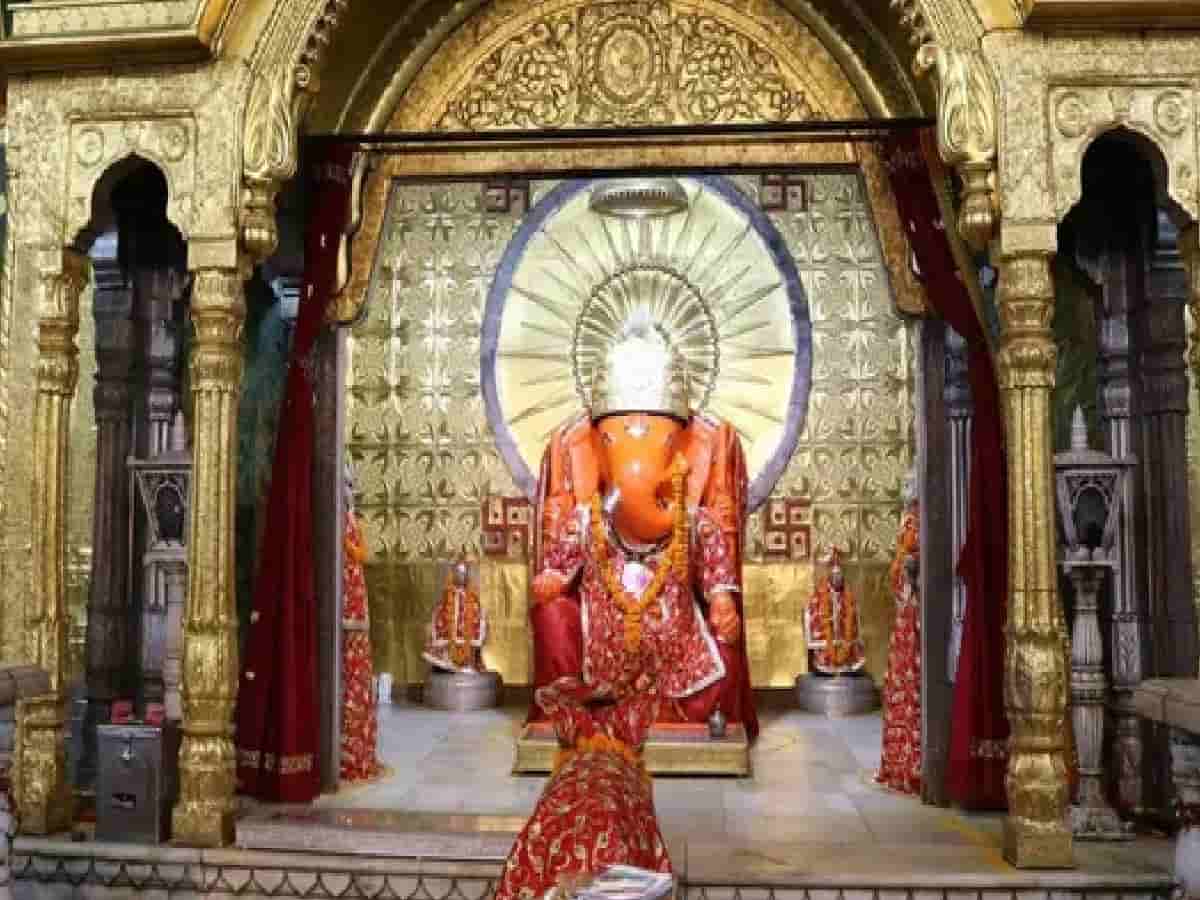
Nestled in the historic landscape of Rajasthan's Pink City, the renowned Moti Dungri Ganesh Temple in Jaipur represents a premier center of spiritual devotion that attracts thousands of pilgrims, cultural travelers, and locals daily. While temples across India host elaborate celebrations during the festive period of Ganesh Chaturthi, Moti Dungri preserves a centuries-old custom during the auspicious eve of Sinjara that sets it apart from all other shrines in the country. The sanctuary has gained legendary renown for fulfilling the heartfelt desires of devotees, particularly eligible bachelors and young women experiencing persistent delays or astrological hurdles in finding a life partner, turning the temple into a massive hub of prayer and hope every festive season.
The Bull Cart Legend: Tracing the 1761 Foundation at the Foothills of Moti Dungri
The architectural and spiritual genesis of this sacred sanctuary dates back to 1761 AD under the guidance of Seth Jai Ram Paliwal. According to regional historical folklore, the King of Mewar was traveling back from an extended spiritual expedition carrying a massive, consecrated stone idol of Lord Ganesha in a traditional bullock cart. Bound by a divine resolve, the monarch had vowed that the sacred deity would be consecrated permanently at the exact geographical spot where the bullock cart came to a complete halt on its own accord. The cart stopped at the picturesque foothills of Moti Dungri, where the majestic sanctum sanctorum stands today, transforming into an enduring pilgrimage destination where an expansive cultural fair is organized every Wednesday throughout the year.
The Quintals of Sacred Henna: The Miracle Ritual of Sinjara for Early Marriage
The highlight of the temple’s annual calendar unfolds during the traditional Sinjara festivities observed on the doorstep of Ganesh Chaturthi, drawing unmarried youths from across India. During this sacred festival, devotees offer hundreds of quintals of pure green henna (mehndi) to Lord Ganesha, which is subsequently sanctified through special Vedic rituals and distributed back to the congregation as sacred prasad. Believers hold an unshakeable faith that unmarried individuals facing matrimonial delays who apply this sanctified temple henna to their hands see their marriage prospects finalized within a calendar year, making the Sinjara mehndi distribution one of the most eagerly attended spiritual events in Jaipur.
The Custodian of Pink City Traditions: First Wedding Cards and Blessings
Beyond the famous mehndi rituals, the deity at Moti Dungri functions as the revered spiritual guardian for the people of Jaipur and the wider Marwar-Shekhawati belt. In adherence to deeply rooted domestic customs, no Hindu wedding ceremony or auspicious family undertaking in the city begins without first personally presenting the initial invitation card (Nimantran Patra) at the lotus feet of Moti Dungri Ganesh. Newly wedded couples make it a mandatory cultural ritual to pay homage at the temple immediately on the first morning following their marital rites to seek divine blessings for lasting harmony, ensuring that the ancient 18th-century sanctuary remains central to the socio-cultural fabric of Rajasthan.