







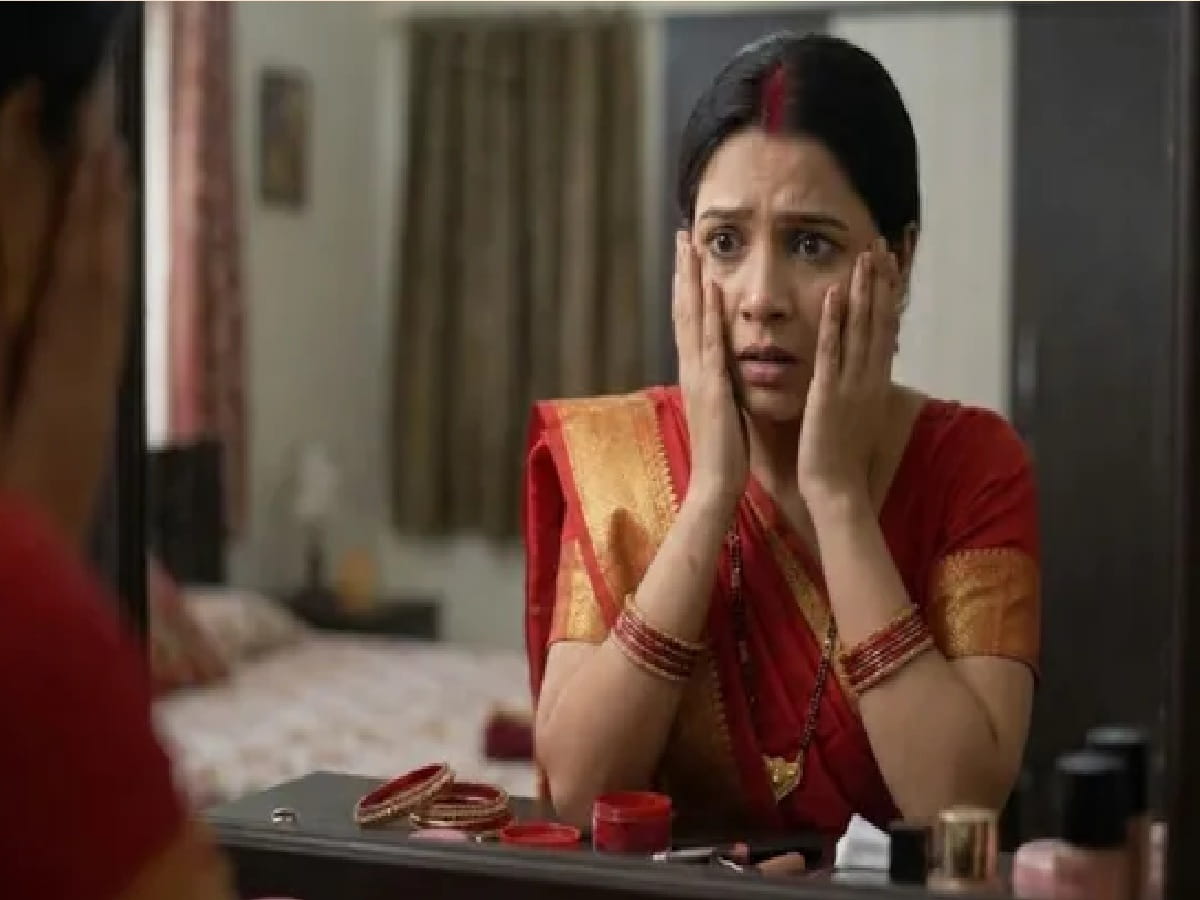
Is a Bindi Falling From Your Forehead an Omen, Astrologer Explains
Among the sacred Solah Shringar (sixteen traditional adornments) cherished in Hindu culture, the bindi occupies an unmistakable place of honor on a woman's forehead—revered not merely as an emblem of grace and feminine beauty, but as a deeply meaningful symbol of akhand saubhagya (unbroken marital good fortune), harmony, and auspiciousness. Because traditional folklore and regional omen beliefs (Shakun Shastra) often attach symbolic meanings to everyday occurrences involving marital adornments, many married women experience a sudden wave of anxiety if a bindi unexpectedly detaches and falls from their forehead during the day. Whispers of bad luck, household friction, or impending trouble around a spouse's well-being frequently circulate in family conversations, turning an ordinary moment into a source of unnecessary worry. However, separating age-old superstition from balanced spiritual wisdom and everyday science tells a far more reassuring story. According to Pooja Ahuja, an experienced astrologer with Astropatri, a bindi slipping off the forehead on its own is a completely normal, everyday occurrence with no credible astrological or scientific basis linking it to harm or misfortune for one's husband. Rather than signaling impending crisis, such moments are overwhelmingly driven by natural skin factors—such as perspiration, facial oils, humidity, or adhesive wear—while spiritual traditions emphasize that mutual love, trust, and respect between partners far outweigh physical omens. For readers, families, and cultural enthusiasts across Lucknow, Kanpur, Varanasi, Prayagraj, Ayodhya, Patna, Jaipur, Bhopal, Indore, New Delhi, Mumbai, Bengaluru, and Hyderabad, understanding both the spiritual significance of the Ajna Chakra and practical everyday explanations brings calm clarity to a widely misunderstood topic.
Traditional Omen Beliefs vs. Astrologer Pooja Ahuja's Perspective
In popular folk traditions passed down across generations, objects associated with Suhag—such as sindoor, bangles, mangalsutra, and the bindi—are treated with deep emotional reverence. Consequently, some local superstitions interpret a falling bindi as a minor warning sign of domestic disagreements, emotional stress, or an upcoming challenge in the household.
Addressing these common fears directly, Astropatri astrologer Pooja Ahuja clarifies that women should never panic or connect a detached bindi with their husband's health or longevity. While traditional omen lore occasionally associates sudden slips with minor mental distraction or household friction, astrology itself does not treat a falling sticker or kumkum dot as a decree of misfortune. Instead, Ahuja emphasizes a grounded, rational outlook that frees married women from superstition-induced stress.
| Perspective / Dimension | Traditional Folk Belief (Shakun) | Balanced Astrological & Practical Reality |
| Sudden Falling of Bindi | Often feared in folk tales as an inauspicious sign of minor arguments or domestic worry | Completely normal event; holds no link to a husband's longevity, safety, or health |
| Primary Physical Causes | Rarely considered in traditional oral folklore | Sweat, natural skin sebum/oils, humid weather, moisturizer residue, or weak adhesive |
| Spiritual Significance of Placement | Symbol of akhand saubhagya (marital bliss) within the Solah Shringar | Placed at the Ajna Chakra (Third Eye) between the eyebrows—the center of intuition, focus, and calm energy |
| Recommended Response | Anxiety, overthinking, or seeking elaborate remedies | Stay calm, cleanse the forehead gently, reapply a fresh bindi, and prioritize love, trust, and communication |
Practical Skincare Reasons Why a Bindi Slips Off Naturally
From a purely physical standpoint, the skin between the eyebrows—known dermatologically as the glabella—is part of the facial T-zone, an area naturally rich in sebaceous (oil) glands and sweat pores. Even mild heat, kitchen steam, humid weather, or a light layer of sunscreen, moisturizer, or foundation can gradually loosen the mild skin-safe adhesive on a decorative bindi. Similarly, traditional liquid kumkum or sandalwood pastes can flake off once dry if facial muscles move frequently during conversation or expression. Recognizing these simple biological and environmental causes immediately removes the mystery behind why a bindi occasionally drops without warning.
The Spiritual Meaning of the Bindi and the Ajna Chakra
Beyond external adornments, Hindu philosophy attributes profound yogic significance to the exact point where a bindi is worn. Situated right between the eyebrows, this spot corresponds to the Ajna Chakra—often called the Third Eye or brow center—which ancient traditions revere as the seat of wisdom, concentration, emotional balance, and inner clarity. Applying a bindi or tilak each morning serves as a mindful daily ritual to center one's thoughts and preserve positive energy throughout the day. Ultimately, as Pooja Ahuja reminds couples, the true foundation of a joyful marriage rests on mutual affection, respect, patience, and trust—qualities that remain steadfast regardless of whether a bindi stays in place or slips away.




