







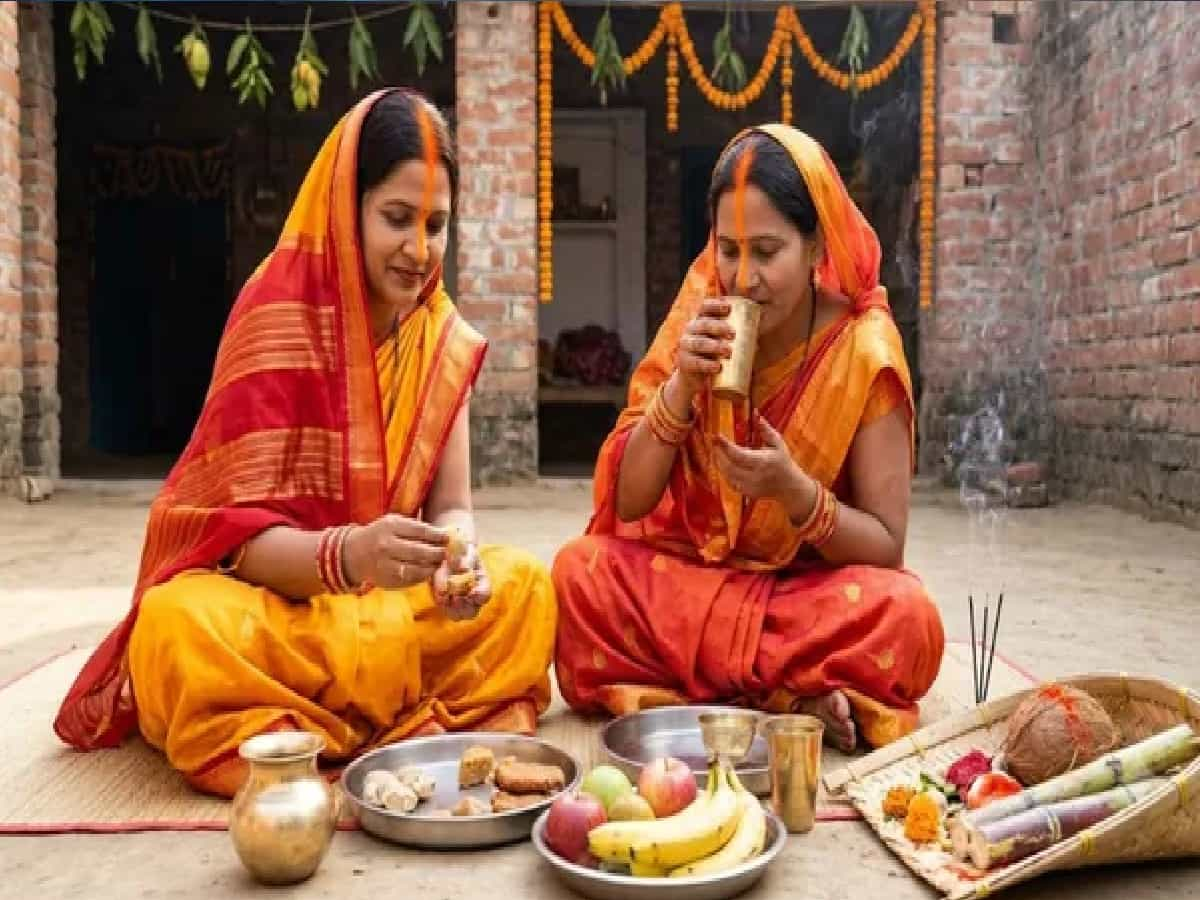
Chhath Puja 2026 Parana Vidhi: How to Break 36-Hour Fast After Usha Arghya
The sacred four-day festival of folk faith and devotion, Chhath Puja 2026, reaches its spiritual culmination on Monday, November 16, 2026, with the offering of Usha Arghya to the rising sun at dawn. Having begun with the purifying ritual of Nahay-Khay, progressed through Kharna, and witnessed millions standing waist-deep in sacred waters for Sandhya Arghya, the festival concludes as vratis (fasting devotees) face the eastern horizon at sunrise to offer water, milk, and seasonal fruits to Surya Dev and Chhathi Maiya. However, according to Vedic traditions and long-standing Purvanchali customs, the 36-hour waterless (nirjala) fast is only truly complete when the devotee performs Parana—the formal ritual of breaking the fast—in strict accordance with traditional rules. Because the digestive system remains completely empty for a day and a half, scriptural guidelines and Ayurvedic wisdom both emphasize breaking the fast gently with pure water, raw ginger, jaggery (gud), thekua, and fruits rather than heavy or spicy meals. Performing Parana improperly, rushing into tamasic foods, or overlooking household decorum is believed to diminish the spiritual merit (punya) earned through days of austere penance. For devotees, families, and cultural readers across Patna, Gaya, Muzaffarpur, Darbhanga, Bhagalpur, Varanasi, Prayagraj, Gorakhpur, Lucknow, Kanpur, Ranchi, New Delhi, and Mumbai, understanding the exact step-by-step Chhath Puja Parana Vidhi ensures a peaceful, healthy, and spiritually fulfilling conclusion to the Mahaparva.
Step-by-Step Chhath Puja 2026 Parana Vidhi After Usha Arghya
Once the dawn rays illuminate the sky on the fourth day of Chhath Puja, devotees complete their offerings at the ghat or home courtyard before returning home to conclude their fast systematically:
| Step / Stage of Chhath Parana | Prescribed Ritual & Dietary Action | Spiritual & Health Significance |
| 1. Dawn Usha Arghya & Ghat Worship | Offer arghya (water and raw milk) to the rising sun, perform aarti of Chhathi Maiya, and seek forgiveness for any unintentional errors during the fast | Completes the four-day solar worship cycle and invites health, longevity, and prosperity for children and family |
| 2. Return Home & Sip Pure / Ganga Water | After returning from the ghat and washing hands and feet, begin Parana by sipping pure water or sacred Gangajal | Gently rehydrates the body after 36 hours without water while preserving ritual purity |
| 3. Consume Traditional Parana Prasad | Eat a small piece of raw ginger (adrak) and jaggery (gud), followed by thekua, banana, and seasonal fruits | Ginger and jaggery stimulate digestive enzymes safely without shocking an empty stomach |
| 4. Distribute Prasad & Eat Satvik Meal | Share Chhath prasad with family members, neighbors, and elders before consuming a light, freshly cooked Satvik meal | Reinforces community sharing (seva) and sustains physical recovery after rigorous fasting |
| 5. Seek Blessings of Family Elders | Touch the feet of parents and elders in the household after completing Parana | Considered highly auspicious for sealing the spiritual merit of the vrat |
Religious scholars emphasize that before leaving the ghat after Usha Arghya, devotees should bow sincerely toward Surya Dev and Chhathi Maiya, pray for the well-being of their household, and humbly ask forgiveness for any inadvertent lapse in rituals over the four days. Upon returning home, the fasting person should first hydrate with a few sips of clean water or Gangajal, then eat raw ginger paired with jaggery—a time-tested combination that soothes the throat and awakens digestion—before tasting thekua and fruit prasad.
Essential Rules to Keep in Mind During Chhath Parana
To preserve the sanctity of the Chhath Vrat and receive the full grace of Chhathi Maiya, devotees are advised to observe several key traditional precautions on the final day:
-
Strictly Avoid Tamasic Foods: Do not break the fast or prepare meals using onion, garlic, excessive spices, or non-vegetarian items on Parana day. Only clean, freshly prepared Satvik food should be cooked in the household kitchen.
-
Respect and Share the Daura Prasad: Never waste, drop, or disrespect the sacred offerings kept in the bamboo daura and soop before or after Parana; ensure prasad is distributed respectfully among family members and visitors.
-
Avoid Wearing Black Clothes: Traditional customs advise against wearing black-colored attire during Parana and Chhath rituals, as auspicious bright hues like yellow, red, orange, or white symbolize solar vitality and positivity.
-
Maintain Harmony and Pure Speech: Refrain from arguments, anger, harsh words, or ill thoughts toward anyone while concluding the fast, keeping the home environment serene and devotional.
Spiritual and Holistic Wisdom Behind the Chhath Fast
Beyond its deep religious devotion, the Chhath Parana tradition reflects remarkable harmony between faith and human physiology. Transitioning out of a 36-hour nirjala fast with warm-natured ginger, natural jaggery, wholesome wheat-and-jaggery thekua, and hydrating seasonal fruits protects the body from sudden acidity or fatigue while honoring centuries-old folk heritage from the ghats of Patna and Varanasi to Lucknow, Delhi-NCR, and Mumbai.




