







How to Let Go of the Past, 2 Bhagavad Gita Verses Hold the Key
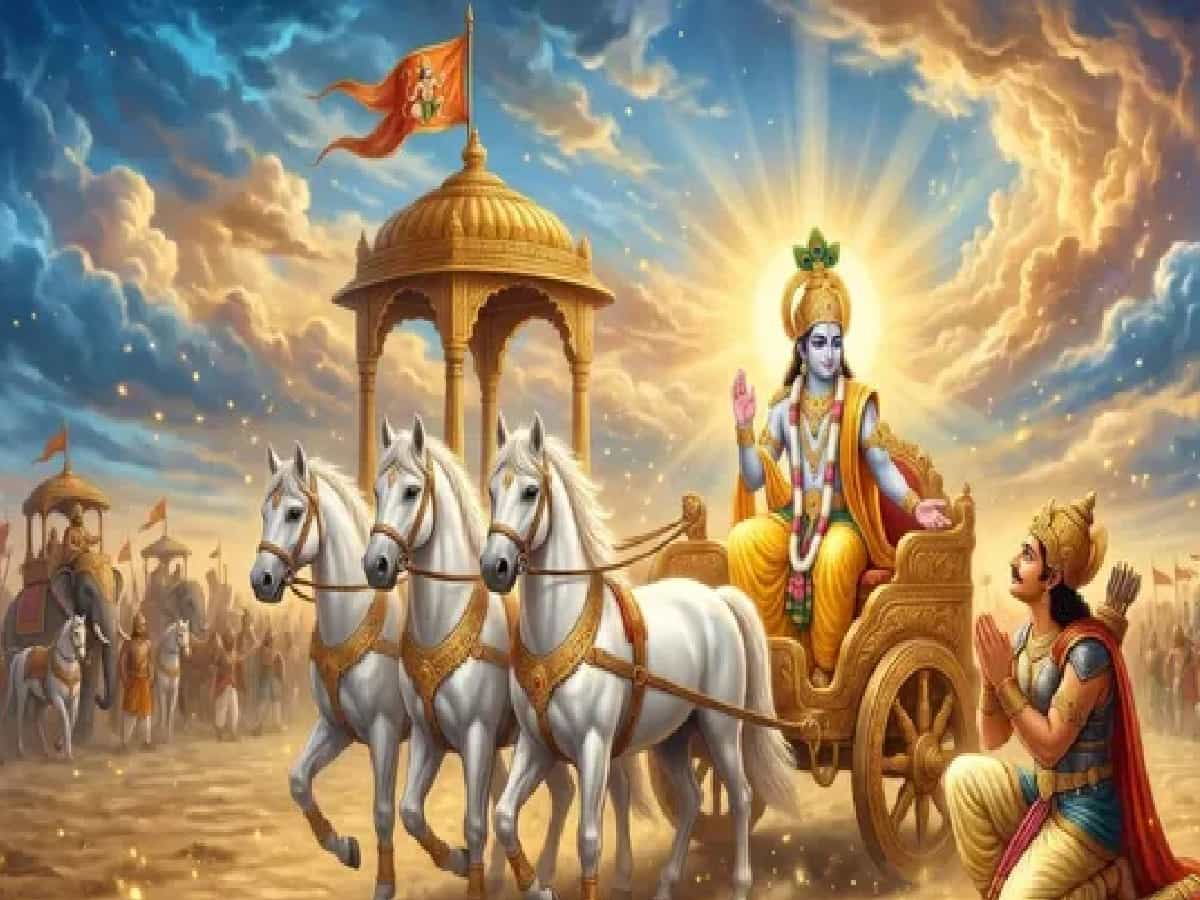
Everyone encounters phases in life when memories of the past refuse to fade—whether triggered by a painful remark from a loved one, a career setback, an unfulfilled ambition, or a personal mistake that replays endlessly in the mind. When we anchor our identity to yesterday's wounds or disappointments, we quietly surrender both our present peace and our future potential. Yet thousands of years ago on the battlefield of Kurukshetra, Lord Krishna addressed this very human paralysis while counseling a grief-stricken Arjuna in the Srimad Bhagavad Gita. Far from being an abstract philosophical treatise, the Bhagavad Gita functions as a timeless manual for psychological clarity, emotional resilience, and decisive living. Specifically, two foundational shlokas from Chapter 2 (Sankhya Yoga)—Verse 2.14 and Verse 2.47—offer a clear, actionable blueprint for releasing the weight of the past, anchoring awareness in the present moment, and rebuilding confidence without fear of past outcomes. For readers, students, working professionals, and spiritual seekers across New Delhi, Lucknow, Kanpur, Unnao, Varanasi, Prayagraj, Ayodhya, Mathura, Vrindavan, Mumbai, Bengaluru, and Jaipur, revisiting these two sacred teachings provides practical wisdom for navigating modern stress, heartbreak, and self-doubt.
1. Treat Joy and Sorrow as Passing Seasons: Bhagavad Gita Chapter 2, Verse 14
The first step toward moving forward is recognizing that emotional pain—no matter how intense—is inherently temporary. In Chapter 2, Verse 14, Lord Krishna reminds Arjuna that just as winter gives way to summer, every phase of pleasure and pain arises from sensory contact and inevitably passes:
Sanskrit Shloka:
मात्रास्पर्शास्तु कौन्तेय शीतोष्णसुखदुःखदाः ।
आगमापायिनोऽनित्यास्तांस्तितिक्षस्व भारत ॥
(Mātrā-sparśhās tu kaunteya śhītoṣhṇa-sukha-duḥkha-dāḥ, āgamāpāyino 'nityās tāṁs titikṣhasva bhārata)
Meaning: "O son of Kunti (Arjuna), the contact between the senses and sense objects gives rise to fleeting perceptions of cold and heat, happiness and distress. They come and go and are impermanent; therefore, learn to endure them patiently, O descendant of Bharata."
Practical Life Lesson: Most human suffering is prolonged not by the original event, but by our mental resistance to letting that chapter close. When we allow a past betrayal, relationship heartbreak, or failure to occupy permanent residence in our thoughts, we mistake a passing season for a permanent condition. Krishna's counsel (titikshasva—endure with steady composure) teaches us not to let a single painful episode define our entire life story, freeing us to step into the present with emotional balance.
2. Focus on Present Effort Rather Than Past Outcomes: Bhagavad Gita Chapter 2, Verse 47
Once we accept that the past cannot be rewritten, the second hurdle is overcoming the fear of trying again—a hesitation often born from remembering previous failures. In one of the Gita's most celebrated verses, Chapter 2, Verse 47, Lord Krishna redirects human energy away from anxiety over results and squarely toward dedicated effort in the here and now:
| Bhagavad Gita Verse | Core Sanskrit Principle | How It Helps You Let Go of the Past & Move Forward |
| Chapter 2, Verse 14 | Anitya & Titiksha (Impermanence & Patient Endurance) | Reminds you that grief, insult, and failure are transient seasons; prevents a past wound from poisoning today's peace |
| Chapter 2, Verse 47 | Nishkama Karma (Right to Action, Detachment From Fruits) | Stops past failures from paralyzing future effort; shifts focus from uncontrollable outcomes to disciplined present action |
Sanskrit Shloka:
कर्मण्येवाधिकारस्ते मा फलेषु कदाचन ।
मा कर्मफलहेतुर्भूर्मा ते सङ्गोऽस्त्वकर्मणि ॥
(Karmaṇy-evādhikāras te mā phaleṣhu kadāchana, mā karma-phala-hetur bhūr mā te saṅgo 'stvakarmaṇi)
Meaning: "You have a right to perform your prescribed duties, but you are not entitled to the fruits of your actions. Never consider yourself the cause of the results of your activities, nor be attached to inaction."
Practical Life Lesson: Many people remain stuck in life because past disappointments convince them that future efforts will meet the same fate, leading to hesitation or inaction (akarmani). Lord Krishna clarifies that while yesterday's outcomes lie permanently beyond our control, today's choices remain entirely in our hands. When you pour wholehearted focus into righteous action without obsessing over past scorecards, new doors naturally open.
Building a Brighter Future Without Carrying Yesterday's Burden
Taken together, Bhagavad Gita 2.14 and 2.47 form a complete psychological reset: the first heals emotional attachment to what has already happened, while the second restores courage for what lies ahead. By practicing steady endurance through changing circumstances and committing fully to present duties, anyone can step out of the shadow of past regrets and shape a purposeful, resilient future.




