







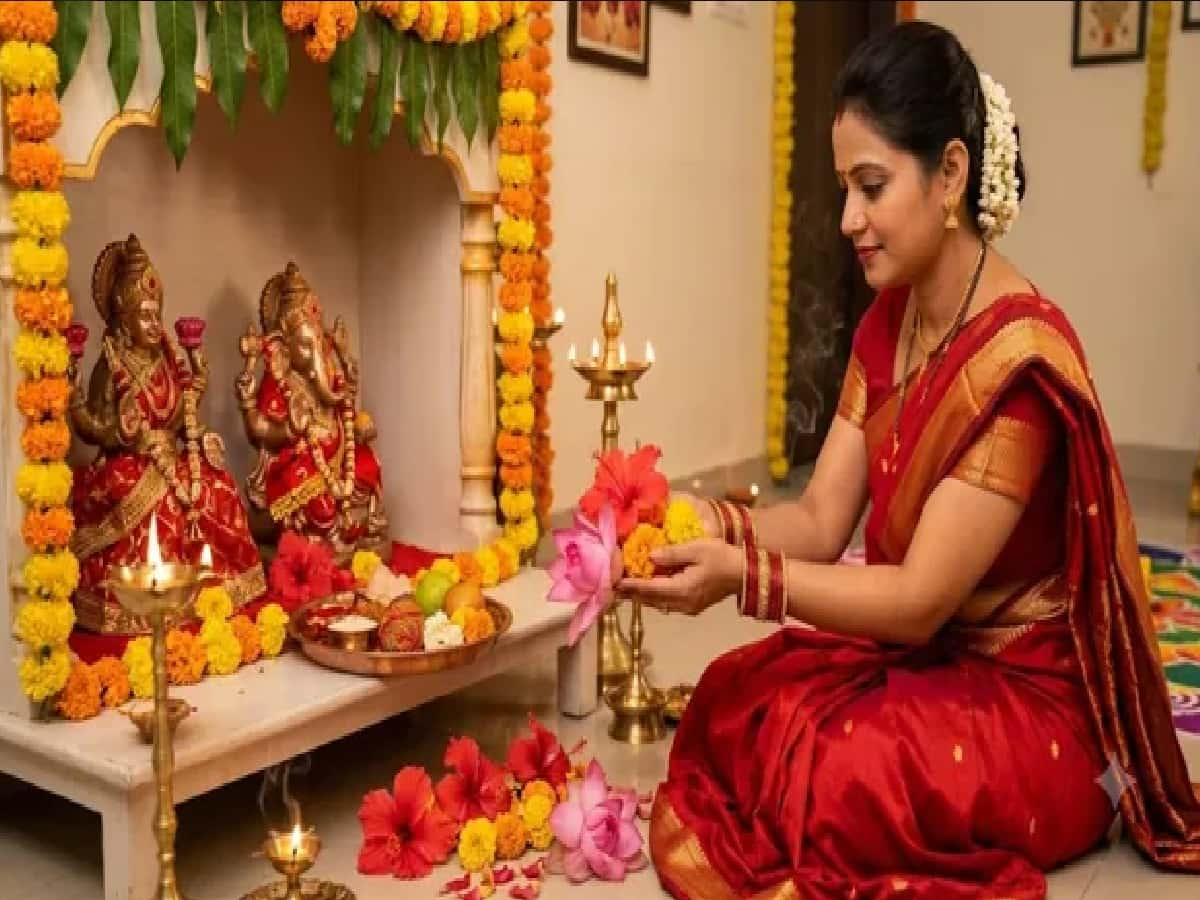
Diwali 2026: 7 Sacred Flowers to Please Goddess Lakshmi
As households across the country prepare to celebrate the sacred festival of Diwali on Sunday, November 8, 2026, the festive air is charged with deep devotion and elaborate preparations. Welcoming Goddess Lakshmi, the presiding deity of wealth, good fortune, and domestic harmony, alongside Lord Ganesha, requires careful adherence to ancient Vedic traditions. While rows of glowing clay lamps banish darkness and traditional sweets delight the senses, classical scriptures emphasize that botanical offerings (Pushpa Samarpan) occupy a uniquely transformative place in festive worship. In Sanatan Dharma, fresh blossoms are not mere decorative ornaments on a puja thali; they represent the purest manifestation of the earth element (Prithvi Tattva), delicate devotion, and subtle vibrational energy. According to the Agamas and Puranas, Goddess Lakshmi has an enduring affinity for specific sacred blooms, and presenting her seven favored flowers during Diwali puja pleases the Divine Mother swiftly, clearing long-standing financial stagnation and ushering enduring prosperity (Sthir Lakshmi) into the household.
Sacred Flora: The Spiritual Science of Floral Offerings in Diwali Puja
In the architecture of Vedic rituals, every plant and flower carries a distinct spiritual vibration (Spandana) and subtle fragrance that interacts with cosmic energy fields. When a pristine, natural flower is offered before an energized deity or yantra, its cellular prana and delicate aroma act as a metaphysical bridge between the devotee’s focused intention and divine grace. During the auspicious astronomical window of Kartik Amavasya, when planetary configurations render the divine feminine energy especially receptive, floral offerings take on heightened spiritual potency. Scriptural authorities note that while withered, damaged, or artificially scented flowers diminish the efficacy of worship, presenting fresh, natural blooms beloved by Mahalakshmi purifies the domestic aura, neutralizes negative environmental influences, and ensures that prayers recited during Pradosh Kaal and Nishith Kaal yield their fullest fruition.
1. The Lotus: Seating Padmasana and Invoking Sthir Lakshmi
Foremost among all sacred flora is the pink or red lotus (Kamal), the foundational emblem of Goddess Lakshmi herself. Known across classical Sanskrit hymns by revered names such as Padmasana (she who is seated upon a lotus), Padmahasta (she who holds lotuses in her hands), and Kamalavasini (she who dwells in the heart of the lotus), the goddess’s divine presence is inextricably bound to this aquatic bloom. Rising untainted from murky pond waters to open its petals to the sky, the lotus represents supreme spiritual purity, self-realization, and material prosperity that remains uncorrupted by worldly attachments. Offering fresh lotuses to Goddess Lakshmi on Diwali night is regarded as the highest floral tribute; scriptures state that offering even a single pink lotus at her lotus feet during the evening puja removes poverty and ensures that the devotee never experiences a deficiency of resources, establishing lasting financial stability and spiritual peace throughout the year.
2. Harsingar (Parijat): Divine Gem of Samudra Manthan That Vanquishes Poverty
The night-blooming jasmine, known traditionally as Harsingar or Parijat (Nyctanthes arbor-tristis), holds a celestial status in Hindu mythology. The Vishnu Purana and Bhagavata Purana recount that the Parijat tree was among the precious treasures that surfaced during the cosmic churning of the Milk Ocean (Samudra Manthan), emerging alongside Goddess Lakshmi herself before being planted in Indra’s heavenly realm. Characterized by its delicate white petals and contrasting vibrant orange-coral stem, the flower carries an intensely sweet, ethereal fragrance. Uniquely in Hindu ritual law, Parijat is the only blossom that may be gathered from the clean ground after naturally shedding and offered to the divine, as it is considered inherently sanctified. Incorporating Harsingar blossoms into the Diwali puja thali is believed to delight Goddess Lakshmi immediately, dissolving deep-rooted financial obstacles and permanently banishing misfortune from the household.
3. Hibiscus (Gudhal): Radiant Red Bloom for Banishing Financial Obstacles
With its brilliant scarlet petals and bold golden stamen, the red hibiscus (Gudhal) is celebrated across Shakta and Vedic traditions as a powerful conduit of active energy, confidence, and protection. Associated with the cosmic fire element and the vital energies of the Sun and Mars, the color red holds profound sacred significance in the worship of the Divine Mother, symbolizing dynamic creative power (Shakti) and worldly manifestation. When presented to Goddess Lakshmi during Diwali, the vibrant red hibiscus acts as a spiritual barrier against negative planetary influences and external envy (nazar dosha). Devotees believe that offering fresh hibiscus blooms helps clear persistent debts, resolve stalled professional ventures, and revitalize commercial vitality, creating pathways for rapid career growth and financial breakthroughs.
4. Jasmine (Mogra and Chameli): Fragrant White Petals for Mental Peace and Harmony
The exquisite fragrance of jasmine blossoms—encompassing varieties such as Mogra, Chameli, and Juhi—has been central to Indian devotional traditions for millennia. Renowned for their cooling, calming aroma and pristine white petals, jasmine flowers represent the soothing lunar energy of absolute peace, mental clarity, and spiritual devotion. In Ayurveda and spiritual science, the natural essential oils of jasmine calm the nervous system and open the heart chakra, transforming domestic tension into serene equilibrium. Goddess Lakshmi is especially fond of jasmine's subtle sweetness, as she prefers to reside in dwellings characterized by tranquility, patience, and mutual respect. Devotees who offer fresh jasmine garlands or loose petals during Diwali night experience an alleviation of chronic household stress, a restoration of marital harmony, and the sustained presence of a joyful, harmonious family atmosphere.
5. Kamalini and Malti: Auspicious Blooms Beloved by Lord Vishnu and Mahalakshmi
Among the classical sacred blooms that carry immense scriptural value are the Kamalini (water lily) and the sweet-smelling Malti flower (Aganosma caryophyllata). The graceful Kamalini, resting gently upon serene waters, represents emotional balance, wisdom in financial management, and the disciplined accumulation of wealth, reminding householders to maintain spiritual poise even while navigating material success. Concurrently, the fragrant Malti flower is celebrated in Vaishnava traditions as an exceptional purifier of domestic environments. Deeply beloved by Lord Vishnu, Lord Shri Krishna, and Goddess Lakshmi, the Malti blossom carries the energetic vibration of selfless surrender. Offering fresh Malti flowers during Diwali puja purifies the home of stagnant energetic debris, ensuring that the combined grace of Lakshmi and Narayana protects family members from illness, disputes, and unforeseen distress.
6. Genda (Marigold): Golden Garland That Delights Narayana and Welcomes Prosperity
No Indian festival is complete without the cheerful, sun-drenched radiance of the marigold (Genda). Available in vivid shades of golden yellow, bright saffron, and deep orange, marigolds are traditionally dedicated to Lord Vishnu. Because Goddess Lakshmi resides wherever Lord Narayana is venerated with joy, the golden marigold serves as an essential bridge ensuring her permanent presence. In spiritual philosophy, the round shape of the marigold, formed by hundreds of tightly clustered petals sharing a single stem, symbolizes unity, collective strength, and the harmonious integration of family life. Hanging lush marigold torans across the main entrance and draping fresh garlands around the idols of Lakshmi and Ganesha invites positive pranic energy across the doorway. The flower's natural, earthy scent purifies the air, while its golden radiance inspires optimism, focus, and enthusiasm for the upcoming commercial year.
Vidhi and Mantras: How to Consecrate and Offer Sacred Blooms at Lakshmi's Feet
To ensure that floral offerings yield their highest spiritual benefits, ancient scriptures outline specific principles of ritual cleanliness and reverent execution. Before commencing the Diwali puja on Sunday evening, devotees should take a purifying bath, don clean, satvik attire in auspicious shades of yellow, saffron, or red, and gather fresh flowers in a clean brass, silver, or natural bamboo container. It is vital that only fresh, fragrant, and intact flowers are used; blossoms that are wilted, torn, chemically dyed, or previously smelled should never be placed before the altar. When presenting each bloom, the worshipper should hold the flower respectfully with both hands, palm upward, maintaining an attitude of humble devotion. As the blossoms are gently placed at the feet of Goddess Lakshmi, devotees should chant the sacred Lakshmi mantra: "Om Mahalakshmyai Namah" or the auspicious Lakshmi Gayatri mantra: "Om Shree Mahalakshmyai Cha Vidmahe, Vishnu Patnyai Cha Dheemahi, Tanno Lakshmi Prachodayat". Concluding the worship by sharing consecrated flower petals among family members infuses the entire home with divine fragrance, spiritual grace, and radiant optimism, ensuring that the festival of lights ushers in a transformative chapter of lasting abundance, health, and joy.




