







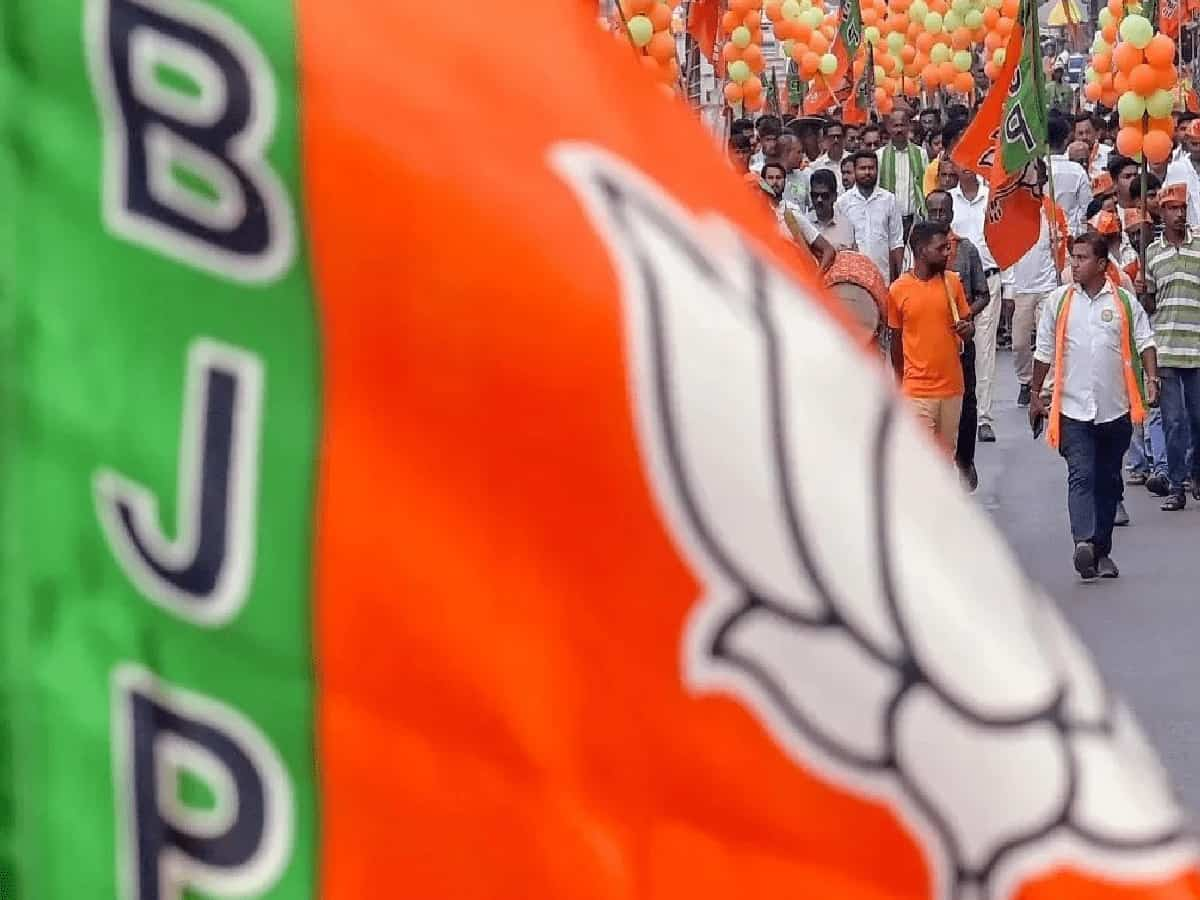
Tripura Civic Polls: BJP Wins 77 Seats Unopposed Amid Row
The political temperature in Tripura has escalated sharply ahead of the upcoming Urban Local Body elections after the ruling Bharatiya Janata Party secured 77 municipal wards uncontested. Following the formal conclusion of the nomination withdrawal phase on Tuesday, November 10, the Tripura State Election Commission declared dozens of saffron party nominees elected without a contest. The development gives the incumbent party an early foothold across key northeastern municipal pockets, even before ballot boxes are opened to voters later this month. The uncontested victories span both major urban sprawls and semi-urban town councils, highlighting significant shifts in regional electoral dynamics as the state counts down to polling day on November 27.
According to formal disclosures issued by senior election administrators, the BJP achieved complete clean sweeps in five urban municipal councils where opposition parties failed to field any alternative candidates. These completely uncontested local bodies account for 65 seats and include Kamalpur in Dhalai district, Santir Bazar in South Tripura, along with Ranir Bazar, Jirania, and Mohanpur in West Tripura. In addition to these five full bodies, the party captured an additional 12 municipal seats unopposed across three other urban units: Ambassa in Dhalai, Teliamura in Khowai, and Bishalgarh in Sepahijala district. Consequently, out of the total 345 ward councilor seats distributed across the state's 21 urban local authorities, only 268 wards will witness actual voting on polling day.
Opposition Parties Allege Intimidation and Attacks on Candidates
The large tally of uncontested seats has sparked widespread backlash from Tripura’s primary opposition parties, who have labeled the development a subversion of the democratic process. Both the Communist Party of India and the Indian National Congress have publicly accused the ruling establishment of orchestrating state-wide voter and candidate suppression. Opposition leaders asserted that prospective contestants and their mandatory electoral proposers faced systemic physical harassment, localized threats, and forced disqualifications to clear the field for the ruling party.
CPI Tripura State Secretary and Leader of the Opposition Jitendra Chaudhury mounted a fierce critique of the ground administration, alleging that organized groups affiliated with the ruling party initiated violent attacks against Left Front workers, aspiring nominees, and campaign coordinators. Chaudhury stated that a string of targeted clashes across multiple districts left more than twenty opposition workers and party members injured. He further claimed that despite lodging repeated formal grievances, local law enforcement authorities and the State Election Commission failed to intervene proactively or safeguard prospective candidates. Chaudhury also charged that local police officials neglected compliance with direct Tripura High Court orders mandating dedicated security escorts for vulnerable opposition nominees.
Mirroring the Left Front's assertions, senior Congress leaders leveled similar charges against the state administration. Congress Working Committee member Sudip Roy Barman and Tripura Pradesh Congress Committee President Asish Kumar Saha asserted that fear and coercion had created an unlevel playing field. The two leaders claimed that party workers were deterred from filing nomination papers in strategic constituencies, undermining electoral transparency. The opposition's joint outrage comes against the backdrop of failed pre-poll unity efforts; despite several rounds of closed-door negotiations in Agartala, the CPI and Congress could not bridge ideological differences and failed to reach an overarching seat-sharing alliance, leaving anti-BJP votes fragmented across multiple wards.
High-Stakes Battle Ahead for Agartala Municipal Corporation and 16 Bodies
With 77 seats already settled, the upcoming democratic contest now shifts entirely to the remaining 268 ward constituencies across 16 urban local councils. The state comprises 21 urban local units in total, spread across all eight administrative districts, with the terms of all municipal bodies scheduled to expire on December 9. The crown jewel of the upcoming phase is the high-profile Agartala Municipal Corporation, which features 51 wards and represents the political, administrative, and commercial epicenter of the northeastern state. The capital city is slated to see fiercely contested multi-cornered battles involving candidates from the BJP, Left Front, Congress, and regional outfits like the Tipra Motha Party.
Electoral rolls published by the State Election Commission confirm that an aggregate of 6,29,903 citizens are eligible to exercise their franchise in the upcoming November 27 elections. Demographic data shows a higher proportion of female voters across the state's urban centers, with the electorate comprising 3,21,743 women, 3,08,115 men, and 45 voters registered under the third-gender category. The civic seats are structured around affirmative representation mandates: out of the total 345 municipal wards statewide, 162 seats are reserved exclusively for women candidates, 80 seats are earmarked for Scheduled Castes, and nine seats are designated for Scheduled Tribes.
State Election Commission Steps Up Security and Deployment Measures
To address mounting concerns surrounding voter safety and electoral integrity, the State Election Commission has rolled out comprehensive surveillance and security measures across all sensitive urban pockets. The poll panel appointed 23 senior administrative observers to oversee field compliance and ensure impartial operations at returning officer centers. In coordination with senior state police officials, authorities have initiated strict arms-monitoring measures, requiring licensed weapon holders to deposit their firearms ahead of polling day. Dedicated surveillance squads and flying teams have been deployed to monitor campaign expenditures, curb voter inducements, and address complaints filed through the official portal.
Following the single-phase polling on November 27, the formal counting of ballots will take place on December 2, when the overall composition of Tripura’s urban local governance will become clear. While the BJP begins the final lap with a comfortable buffer of 77 unopposed victories, the fierce campaign underway in Agartala and regional municipal councils indicates that the remaining 268 wards will serve as a crucial barometer of political sentiment across the state. The outcome on December 2 will showcase how effectively the divided opposition can mobilize voters, while settling questions surrounding the administrative transparency of the local body polls.




