Supreme Court Delivers Split Verdict on EC Appointment Law: CJI to Decide on 5-Judge Bench
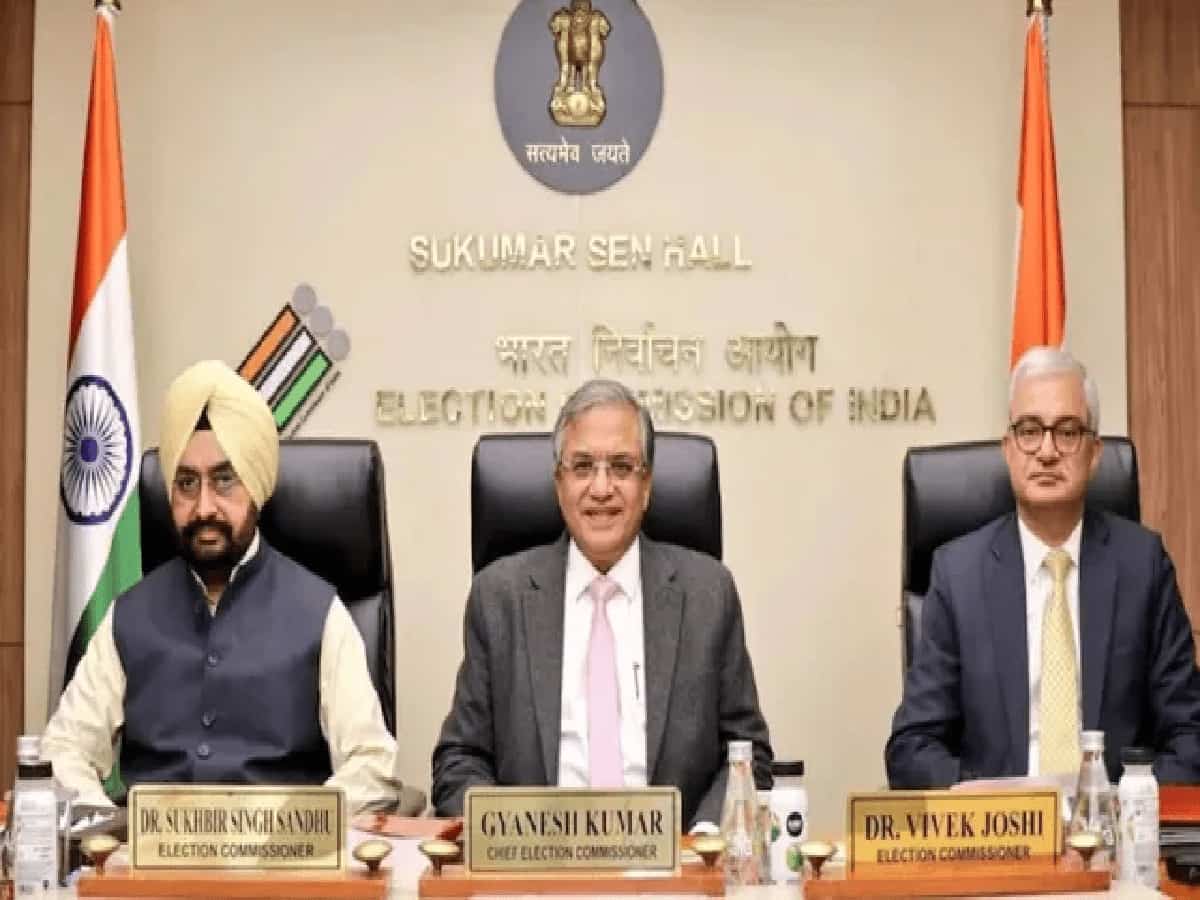
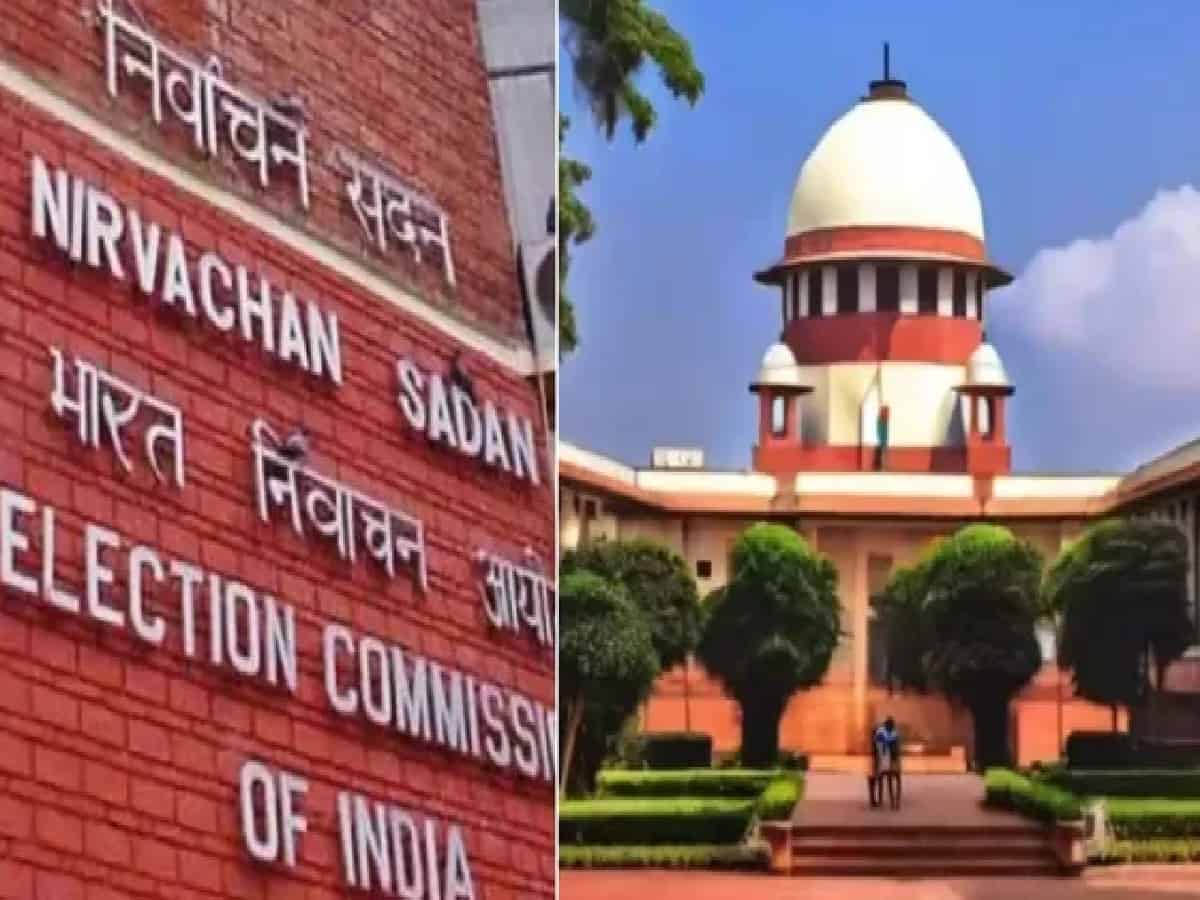
In a high-stakes constitutional confrontation over the institutional independence of India's poll watchdog, the Supreme Court of India on Wednesday delivered a split verdict regarding whether challenges to the Chief Election Commissioner and other Election Commissioners (Appointment, Conditions of Service and Term of Office) Act, 2023 should be referred to a five-judge Constitution Bench. With the two-judge division bench divided down the middle, the statutory framework enacted in 2023 will remain operative for now, while the administrative file heads to the Chief Justice of India for the constitution of a larger bench.
A Bench Divided on Reference to a Larger Constitution Bench
The division bench comprising Justice Dipankar Datta and Justice Satish Chandra Sharma arrived at fundamentally diverging legal viewpoints regarding the Centre's plea to escalate the petitions to five judges. Justice Sharma supported the Union Government's stance, observing that the constitutional challenge presents substantial, foundational questions of law concerning legislative power and executive structure that warrant consideration by an authoritative Constitution Bench.
Conversely, Justice Dipankar Datta rejected the demand for a reference, expressing a clear prima facie view on the validity of the enactment. Acknowledging the doctrinal split, Justice Datta observed that while delivering a unanimous voice reinforces institutional harmony, constitutional duty compels honest divergence when interpretive principles clash. He emphasized the core democratic tenet that statutory rulers remain strictly subservient to the law rather than standing above it.
The Inclusion of a Union Minister and the Test of Apparent Independence
At the core of the judicial challenge is the composition of the three-member selection committee created under the 2023 statute. The law replaced the Chief Justice of India with a Union Cabinet Minister nominated by the Prime Minister, alongside the Leader of the Opposition. In his judicial observations, Justice Datta underscored that institutional independence must not merely exist in statutory theory; the Election Commission of India must visibly appear independent to the public eye.
Addressing the executive tilt within the selection panel, Justice Datta highlighted that a Union Minister sitting alongside the Prime Minister operates under the doctrine of collective ministerial responsibility. Under this constitutional dynamic, expecting a cabinet colleague to take an autonomous stance contrary to the head of the government remains practically unfeasible. Consequently, replacing an impartial judicial arbiter with a ministerial nominee fails to provide the critical systemic balance needed to insulate electoral appointments from partisan leverage.
Legislative Prerogative Versus the Anoop Baranwal Precedent
The ongoing legal challenge directly interrogates the shift away from the landmark 2023 Anoop Baranwal ruling. In that unanimous verdict, a Constitution Bench mandated an interim appointment committee comprising the Prime Minister, the Leader of the Opposition, and the Chief Justice of India until Parliament framed dedicated legislation under Article 324(2). Parliament subsequently enacted the 2023 law, substituting the CJI with a nominated cabinet minister—a maneuver petitioners claim undermines free and fair elections.
Defending the statute, Solicitor General Tushar Mehta submitted that the judiciary's interim mechanism in the Anoop Baranwal matter was strictly intended to bridge an administrative vacuum. Mehta argued that once Parliament exercises its sovereign legislative mandate to enact a comprehensive act, constitutional deference must favor parliamentary competence over court-directed stopgap frameworks.
What Lies Ahead Before the Chief Justice of India
Because the division bench delivered a dissenting split, the primary provisions of the Chief Election Commissioner Act, 2023 stay fully functional, and executive appointments will follow the current legislative schema until an authoritative determination is made. The registry has directed the batch of petitions to be placed before the Chief Justice of India, who will exercise administrative discretion as Master of the Roster to formulate an appropriate three-judge or five-judge bench to definitively resolve this constitutional deadlock.