







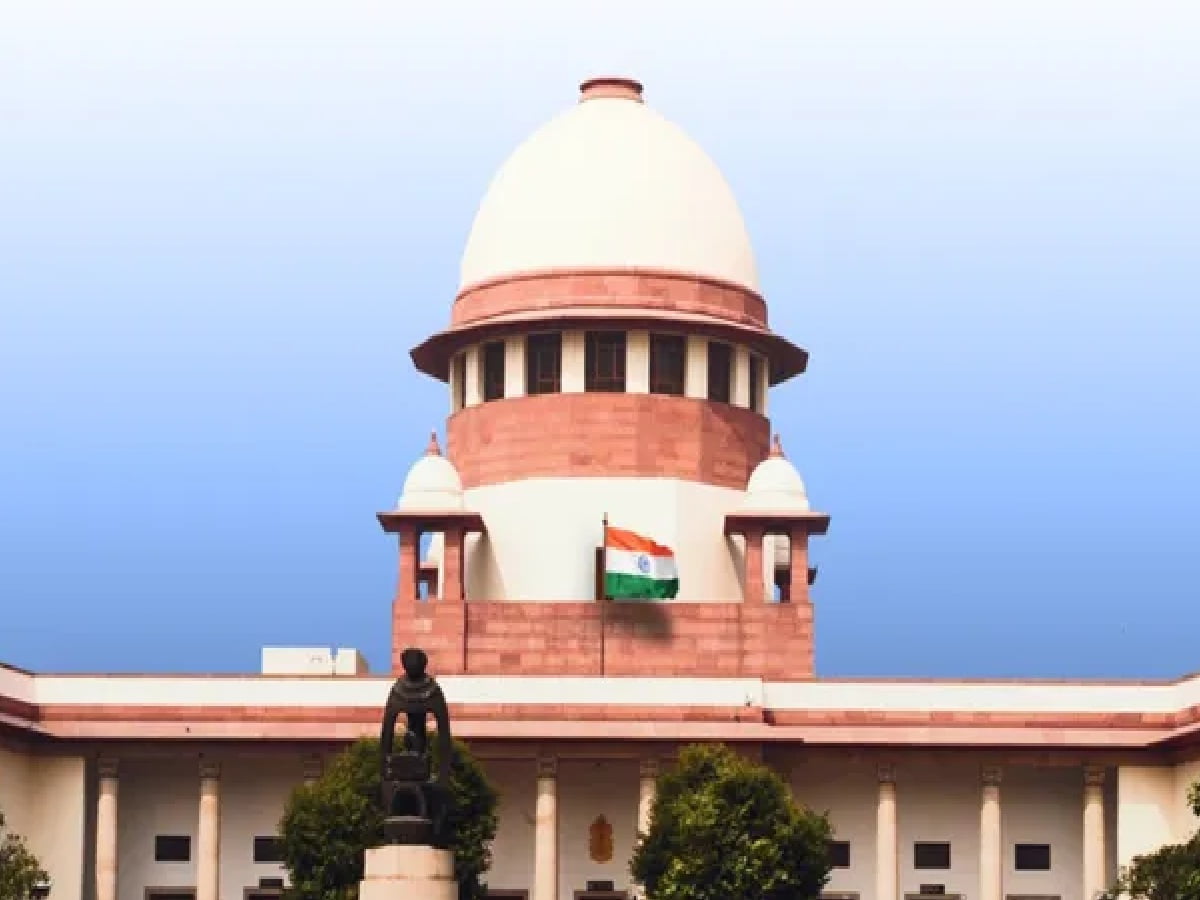
SIR Fixes Don't Validate Bihar-Bengal Polls, INDIA Bloc Tells SC
In a sharply worded rejoinder filed before the Supreme Court of India, opposition petitioners led by Leader of the Opposition in the Lok Sabha Rahul Gandhi and constituents of the INDIA bloc have mounted a strong legal challenge against the Election Commission of India (ECI) over its controversial Special Intensive Revision (SIR) of electoral rolls. Responding to the poll panel's recent affidavit, the petitioners contended that the corrective and remedial measures now being introduced by the Commission only underscore serious procedural flaws in the earlier rollout—thereby casting doubt on the legitimacy of the Assembly elections already conducted in Bihar and West Bengal, where millions of voters were allegedly excluded without the benefit of those safeguards. According to the rejoinder, the ECI initiated these remedial steps only after the Supreme Court began closely scrutinizing the SIR exercise and issued formal communications on November 11. Beyond questioning the timing of the reforms, the opposition bloc directly challenged the Commission's assertion of internal unanimity between Chief Election Commissioner Gyanesh Kumar and the two fellow Election Commissioners, Sukhbir Singh Sandhu and Vivek Joshi. Pointing to the absence of formal meeting minutes in the ECI's affidavit, as well as the unprecedented filing of 16.1 lakh appeals seeking the deletion of voters previously cleared by judicial officers in West Bengal, the petitioners urged the apex court to summon and examine original official records rather than accepting verbal assurances of consensus. Meanwhile, the Election Commission and ruling alliance leaders have maintained that the SIR exercise falls squarely within constitutional powers under Article 324 and the Representation of the People Act, 1950, aimed solely at purifying voter lists by removing duplicate, shifted, or deceased entries. For voters, legal observers, and citizens across New Delhi, Patna, Kolkata, Lucknow, Kanpur, Varanasi, Prayagraj, Ranchi, Mumbai, Chennai, and Bengaluru, the escalating courtroom confrontation places the transparency and institutional integrity of India's electoral roll management under intense national scrutiny.
Why INDIA Bloc Says Remedial SIR Steps Question Bihar and West Bengal Polls
At the core of the petitioners' reply before the Supreme Court is a fundamental constitutional argument: if the Election Commission now acknowledges the need for special enrolment drives and procedural corrections to prevent eligible citizens from being left off the rolls, then elections held in Bihar and West Bengal prior to those fixes suffered from structural disenfranchisement. In West Bengal alone, electoral roll revisions ahead of the 2026 Assembly polls saw tens of lakhs of names omitted or placed under adjudication, with 22.2 lakh appeals filed by excluded electors and another 16.1 lakh appeals seeking to remove names that judicial officers had already verified as eligible.
The petitioners argued that subsequent administrative adjustments cannot retroactively cure the exclusion of genuine voters who were unable to cast their ballots in Bihar and West Bengal. They emphasized that the ECI's corrective directives emerged only after judicial scrutiny intensified following the Supreme Court's November 11 letters, rather than through proactive self-correction by the poll body.
Challenge to ECI's Claim of Unanimity and the 16.1 Lakh Bengal Appeals
A major focal point of the legal filing centers on internal decision-making within Nirvachan Sadan and the controversial work-allocation order that previously prompted two Election Commissioners to write directly to the Cabinet Secretary.
| Contested Issue Before Supreme Court | INDIA Bloc Petitioners' Submission | Election Commission of India's Stance |
| Impact of Late SIR Reforms on Bihar & Bengal Polls | Belated remedial drives prove earlier process was flawed and do not validate Bihar and West Bengal elections where lakhs were excluded | Special revision under Article 324 & RP Act, 1950 was lawful; ongoing special drives and Form 6 allow omitted electors to re-enroll |
| Claim of Unanimity Among CEC & Election Commissioners | Mere verbal assertion of consensus cannot be accepted without minutes of meetings and perusal of original official files | Asserted collective functioning and described past communications as routine internal administrative exchanges |
| Letters to Cabinet Secretary Over Work Allocation | Urged Supreme Court to take a serious view rather than brushing aside formal objections by two ECs as minor internal differences | Maintained that administrative work-allocation matters were resolved internally without affecting constitutional mandate |
| 16.1 Lakh Appeals Against Judicial Officers' Orders in Bengal | Questioned how 16.1 lakh deletion appeals were filed without the knowledge or authorization of the full Commission | Stated appeals were filed by officials of the West Bengal Chief Electoral Officer's office under statutory provisions |
In their rejoinder, the petitioners specifically cautioned the Supreme Court against accepting a "bare assertion" of unanimous decision-making between CEC Gyanesh Kumar and the other Commissioners without inspecting the underlying recorded files. They further contended that dismissing formal objections sent to the Cabinet Secretary regarding an Additional Secretary's work-allocation order as mere "internal differences or administrative exchanges" undermines institutional accountability.
Accountability Over Unauthorized Appeals and What Lies Ahead in Court
Equally sharp was the opposition's critique regarding the 16.1 lakh appeals filed in West Bengal challenging orders passed by judicial officers who had cleared electors for inclusion. The petitioners argued it was astonishing that mass appeals of such magnitude could be initiated without the direct knowledge or recorded approval of the Commission's members. While the ECI had earlier informed the court that those appeals were filed by officials under the West Bengal Chief Electoral Officer's office and sought additional appellate tribunals to clear pending backlogs, the Supreme Court's upcoming hearings will determine whether original Commission files are summoned for judicial inspection—a ruling that could set a landmark precedent for electoral transparency across upcoming state elections, including Uttar Pradesh in 2027.




