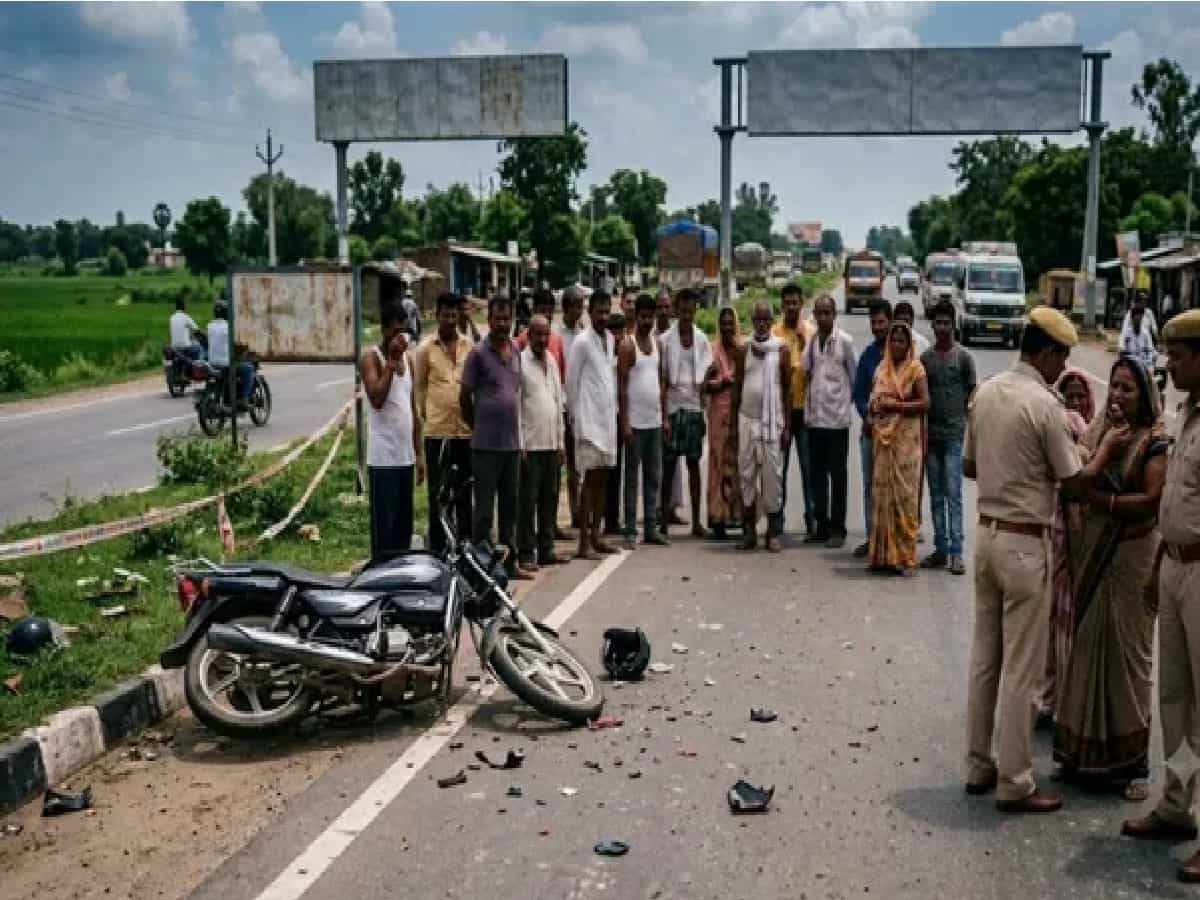
Road Accidents Rank Among Top Killers in India, Warns WHO Report
A comprehensive global assessment by the World Health Organization's (WHO) Global Health Estimates (GHE) has exposed severe vulnerabilities in India's transport safety framework and post-crash emergency medical infrastructure. The latest analytical data confirms that road traffic injuries now stand as the 10th leading cause of death across all demographics nationwide. For Indian men, vehicular collisions represent an even graver crisis, ranking as the 8th primary cause of premature mortality. Meanwhile, fatal falls from heights and secondary trauma have emerged as the 8th leading cause of death among women, highlighting critical public health and workplace safety risks that demand urgent policy intervention.
India Bears Over 14% of Worldwide Crash Deaths as Toll Climbs Steadily
The statistical baseline shows that India registers the highest absolute number of road traffic casualties globally since standardized international monitoring began. In 2023, road collisions across national highways, expressways, and urban corridors claimed 1.74 lakh human lives, representing more than 14 percent of the world's 1.22 million crash fatalities. Far from showing a decline, the crisis escalated further over subsequent evaluation cycles, with aggregate fatalities climbing to an alarming 1.83 lakh in 2025. This equates to an average of roughly 500 individuals losing their lives on Indian roads every single day, placing an immense burden on the nation's healthcare system and human capital.
Rising Fatalities from Accidental Falls: NCRB Data Reveals Hidden Trauma Toll
In addition to transport incidents, unintentional traumatic falls have emerged as another major contributor to preventable deaths. Corroborating data from the National Crime Records Bureau (NCRB) indicates that accidental falls claimed 25,150 lives across the country, accounting for approximately 3 percent of all recorded fatal trauma cases. Medical experts note that high-rise construction vulnerabilities, inadequate domestic safety barriers for the elderly, and substandard industrial safety practices are primary drivers of these numbers, mirroring the gender-specific vulnerabilities documented in the WHO report.
The Road Ahead: Urgency for Strict Enforcement and Rapid Golden Hour Care
Public health specialists and urban mobility planners stress that arresting this upward trajectory requires structural transformation rather than incremental advisories. Prioritizing automated traffic speed enforcement, eliminating hazardous road engineering blind spots, mandating rigorous helmet and seatbelt compliance, and upgrading emergency trauma response networks along major transit arteries within the crucial 'Golden Hour' remain paramount to saving lives across Indian roads.