Sharadiya Navratri: Cutting Hair and Nails Is Strictly Prohibited During the 9 Days
According to the Vedic panchang, the sacred nine-night festival of Sharadiya Navratri commences on October 11, 2026, marking a dedicated period of deep devotion, fasting, and spiritual rejuvenation across the country. Devotees worship the nine distinct forms of Goddess Durga to invoke divine grace, remove obstacles, and cultivate positive vitality. Scriptural traditions mandate strict adherence to sacred codes of conduct throughout the festival, cautioning that neglecting these devotional disciplines can dilute the spiritual efficacy of the rituals and disrupt the divine energy channeled through prayers and mantra chanting.
Spiritual Energy and Purity: The Exact Reason Behind the Ban on Haircuts and Trimming Nails
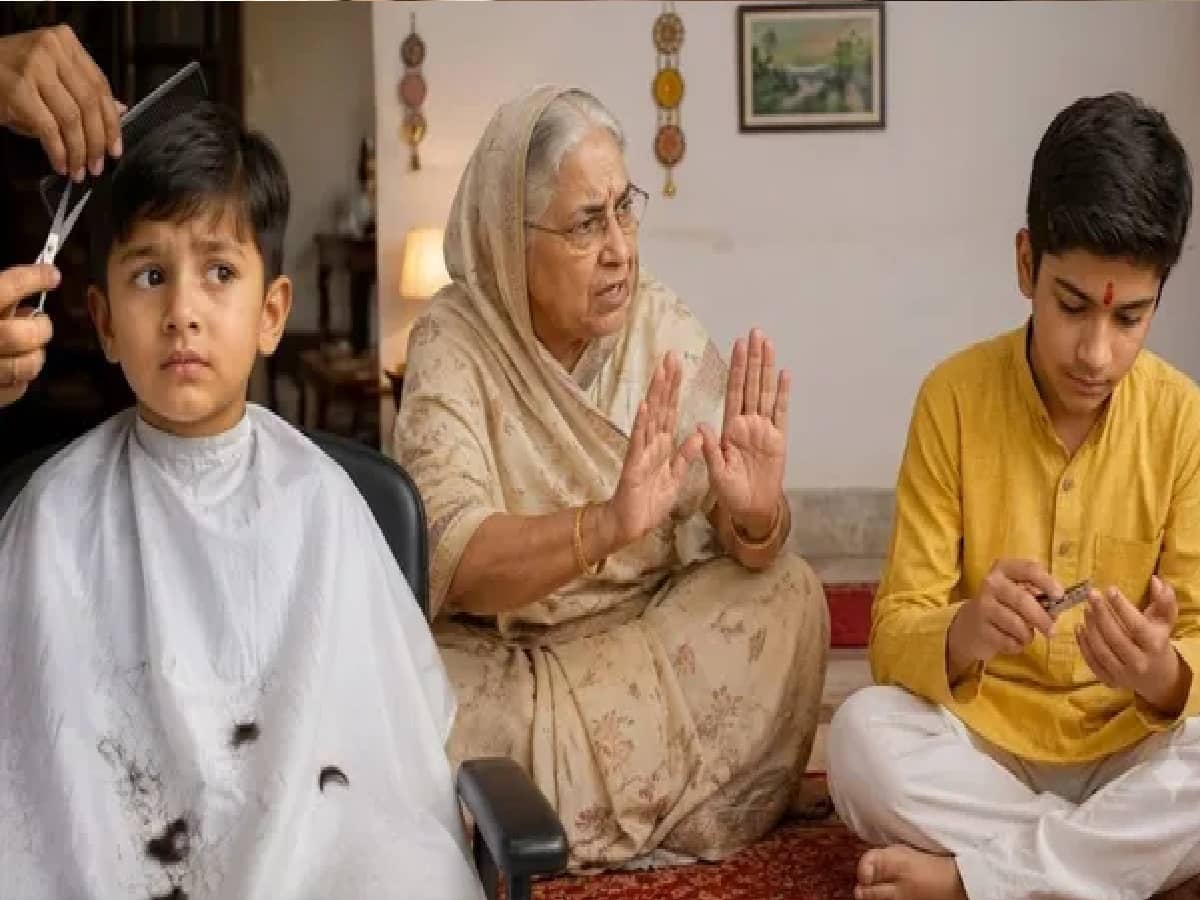
Among the fundamental observances of Navratri, trimming nails, cutting hair, and shaving one's beard are strictly forbidden. Scriptural and spiritual texts explain that the intensive worship, continuous mantra recitations, and fasting observed during these nine auspicious days infuse the practitioner's mind and physical body with an elevated reservoir of subtle cosmic energy. Cutting living extensions of the body like hair or trimming nails during this period is believed to disrupt the harmonious retention of this accumulated spiritual energy. Devotees are encouraged to maintain an unaltered, natural physical state (Satvik composure) to demonstrate disciplined surrender and complete focus on inner purification rather than external grooming.
Avoiding Ritual Impurities: Preserving the Sacred Sanctity of the Fast
Vedic scriptures categorize the cutting of nails and hair as acts that generate ceremonial impurity (Ashauch), requiring post-grooming purificatory baths that interrupt prolonged spiritual practices. For devotees undertaking rigorous vows—especially those performing Kalash Sthapana or keeping the sacred Akhand Jyoti illuminated in their households—maintaining uninterrupted spiritual and bodily sanctity is paramount. Observing this restraint serves as an external symbol of self-restraint and humility, aligning the devotee's physical disciplines with their spiritual intentions.
Essential Navratri Rules: Key Mistakes Devotees Must Avoid During the 9 Days
To ensure peace, prosperity, and the full spiritual benefits of the sacred festival, devotees should avoid common errors during Sharadiya Navratri:
-
Strictly Avoid Tamasic Foods: Abstain entirely from non-vegetarian food, onion, garlic, alcohol, and stale items; consume strictly Satvik preparations, fresh seasonal fruits, and dairy products.
-
Maintain Mental and Emotional Discipline: Refrain from harboring negative thoughts, anger, deceit, or engaging in gossip, criticism, or arguments with others.
-
Dress Code and Cleanliness: Avoid wearing dark or black-colored clothing during puja ceremonies, and maintain pristine cleanliness throughout the household and worship altar.
-
Daytime Sleeping Prohibited for Vrat Keepers: Devotees observing fasts are advised against sleeping during daytime hours, as scriptural traditions recommend spending the waking day in quiet reflection, reading sacred texts, or repeating the Durga Saptashati.