Pitru Paksha Matru Navami: Key Muhurat Timings and Shradh Rules
Occurring during the sacred fortnight of Pitru Paksha, Matru Navami holds a distinct and emotionally resonant place in Vedic ancestral rituals. Observed today, Sunday, October 4, 2026, this sacred tithi is specifically consecrated to performing Shradh, Tarpan, and Pind Daan for departed mothers, grandmothers, mother-in-laws, and all female ancestors of the family lineage. According to Hindu scriptures, invoking maternal forebears on this day liberates their souls, frees descendants from Pitru Dosha, and ushers peace, prosperity, and maternal blessings into the household. Crucially, in instances where the exact lunar death tithi of a mother or female ancestor is unknown or forgotten, scriptures recommend performing their annual Shradh rites on Matru Navami to ensure their spiritual peace.
Auspicious Timings: Kutup, Rohini, and Aparahna Muhurat for October 4
To ensure that the Tarpan water and Pind offerings are received by ancestral souls, Vedic astrology dictates specific daytime slots for carrying out these sacred oblations. Ujjain-based astrologer and Vedic scholar Pt. Manish Sharma highlights three primary muhurat intervals for conducting Shradh rites today:
-
Kutup Muhurat (11:44 AM – 12:32 PM): Widely regarded as the supreme and most fruitful window to commence the ancestral puja, invoke forebears, and prepare the ritual seat.
-
Rohini Muhurat (12:32 PM – 1:20 PM): An exceptionally auspicious secondary period favored for sacred recitations, offering black sesame water, and serving food to cows and birds.
-
Aparahna Kaal (1:20 PM – 3:45 PM): The core afternoon block given the highest priority during Pitru Paksha, ideal for completing Pind Daan offerings, Dakshina donation, and Brahmin Bhojan.
Step-by-Step Tarpan and Shradh Vidhi for Matru Navami
Performing the ceremony requires sincere devotional focus, purity, and standard ritual items:
-
Morning Cleansing & Sankalp: Rise early, take a purifying bath, and dress in fresh, clean traditional clothes (preferably white or light hues, avoiding dark or synthetic garments).
-
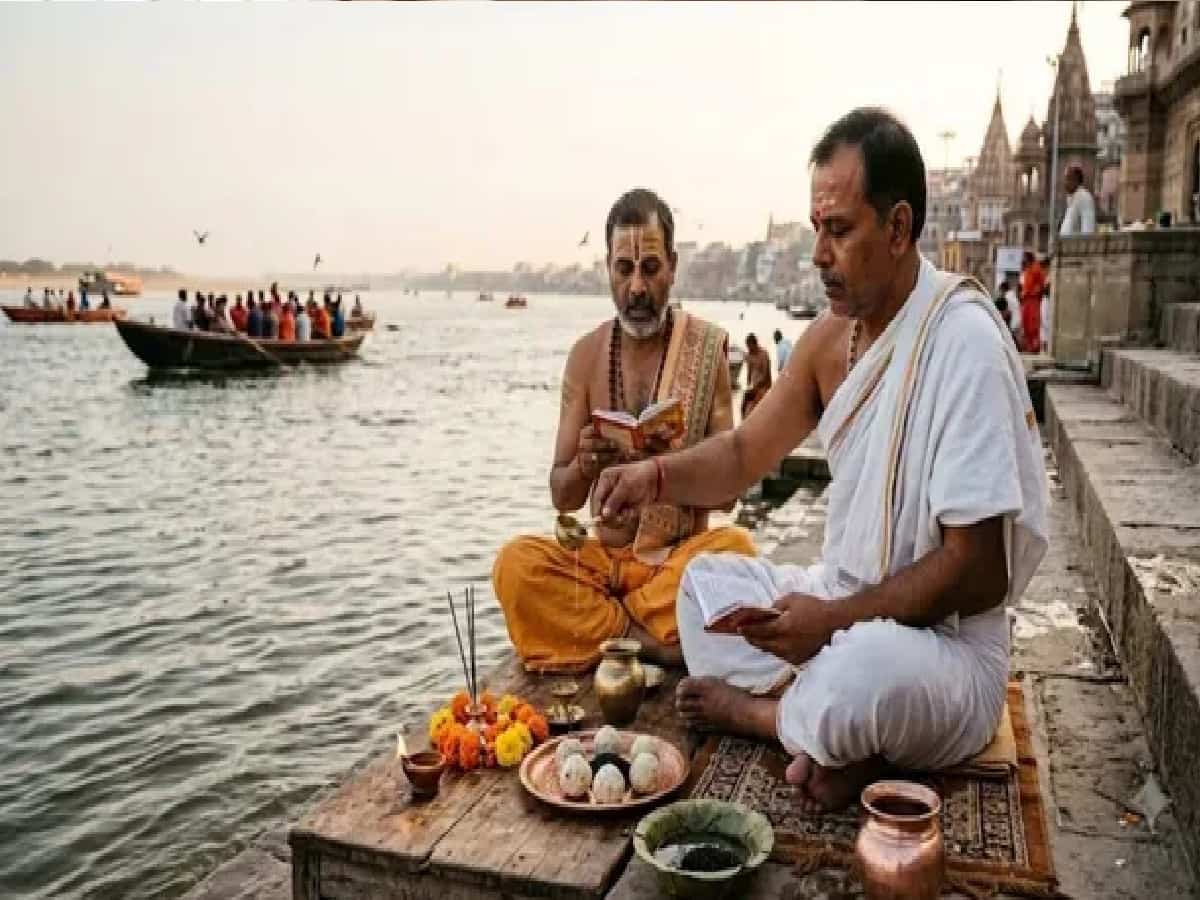
Sacred Offerings: In accordance with ancient tradition, use copper vessels filled with fresh water, mixed with Gangajal, unboiled cow milk, black sesame seeds (kale til), white barley (jau), and fragrant flowers, while wearing a ring made of sacred Kusha grass on the ring finger.
-
Tarpan Recitation: Face the southern direction, hold the sacred mixture in cupped palms, invoke the names and gotra of your departed mother and maternal grandmothers with gratitude, and offer the water through the thumb cleft.
-
Panchbali & Charity: Before concluding the rites, set aside five small portions of food (Panchbali) dedicated to cows, dogs, crows, ants, and the gods, followed by offering Satvik food and voluntary donations (Daan-Dakshina) to deserving Brahmins and the impoverished according to family means.
Honoring Maternal Heritage and Lineage Values
Beyond formal theological rites, Matru Navami serves as a meaningful family occasion to reflect on maternal sacrifices, traditions, and generational values. Descendants come together in humility to celebrate the loving care bestowed by mothers and maternal forebears, asking for forgiveness for any inadvertent lapses in duty. Because subtle planetary calculations and sun transit timings can vary by a few minutes across different regional panchang calendars and latitudes, families are encouraged to verify exact local muhurat windows with their family priest or local regional calendar while observing the day with deep reverence.