Former NITI Aayog Head Rajiv Kumar Opposes New Charges, Cites Big Cash Reversal Risk
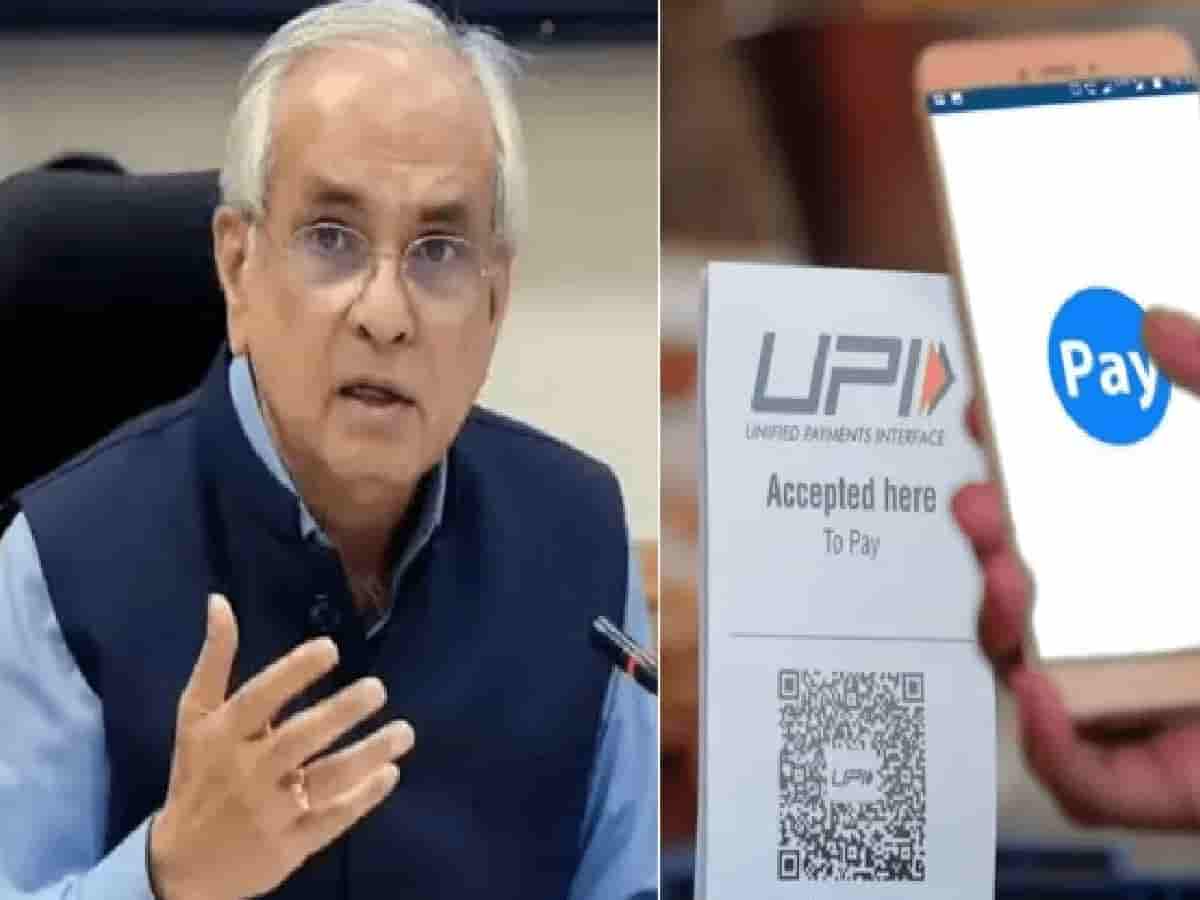
Re-igniting the nationwide fiscal debate over the commercial sustainability of digital payment rails, former NITI Aayog Vice Chairman Rajiv Kumar has strongly urged the central government to preserve zero-fee Unified Payments Interface (UPI) transactions for at least several more years. In an extensive interview with PTI, the noted economist advocated treating the indigenous UPI architecture strictly as an essential "public good" that yields macroeconomic benefits far surpassing the estimated ₹20,000 crore annual budgetary outlay required to maintain its underlying server ecosystems. Kumar emphasized that the zero-charge framework should remain firmly in place until the country records a clear, structural decline in its currency-to-GDP ratio, cautioning that premature commercial levies could trigger widespread merchant pushback and unravel India’s hard-won cashless momentum.
The ₹2,000 Paradox: Why 66 Percent of Transaction Value Faces Cash Reversion Risk
Analyzing transaction mechanics across the payment grid, Kumar pointed out that while 96 percent of UPI transactions by volume fall beneath the ₹2,000 threshold, nearly 66 percent of total transaction value sits above that mark. Introducing transaction fees on high-value settlements creates a direct systemic threat of merchants steering buyers back toward hard currency to dodge digital operational overheads. The veteran policymaker warned that even fractional transaction friction will catalyze cash-based behavior and tax avoidance among retail traders, making it imperative for the government to maintain the status quo rather than jeopardizing digital adoption. His warning follows the central government's September 15 policy notification, which mandates that starting October 15, merchants will be subject to a 0.4 percent Merchant Discount Rate (MDR) on Person-to-Merchant (P2M) transactions exceeding ₹2,000, capped at ₹300 for single transaction values reaching or exceeding ₹75,000.
Finance Ministry Clarifies Zero Cost for Citizens Amid High-Voltage Political Clashes
Addressing widespread consumer anxiety surrounding the October 15 rollout, the Union Finance Ministry reaffirmed that retail citizens and shoppers will continue enjoying completely free, unlimited UPI transactions with zero monthly quotas, tier thresholds, or volume caps. The ministry stressed that MDR represents an operational cost absorbed exclusively within the merchant-acquirer banking network, strictly shielding consumers from paying extra at retail checkouts. Essential and low-margin sectors—including Indian Railways, telecommunications, insurance, retail automotive fuels, and agricultural inputs, which together constitute 17 percent of P2M transaction volume and 46 percent of P2M transaction counts—will face a low, flat fee of just ₹5 per transaction above ₹2,000. Despite these concessions, the policy shift has ignited intense political warfare: Congress leader Rahul Gandhi slammed the move as capitulation to external trade pressures, while the ruling BJP dismissed the allegations as misleading propaganda, reiterating that end-user digital payments remain entirely fee-free across India.