







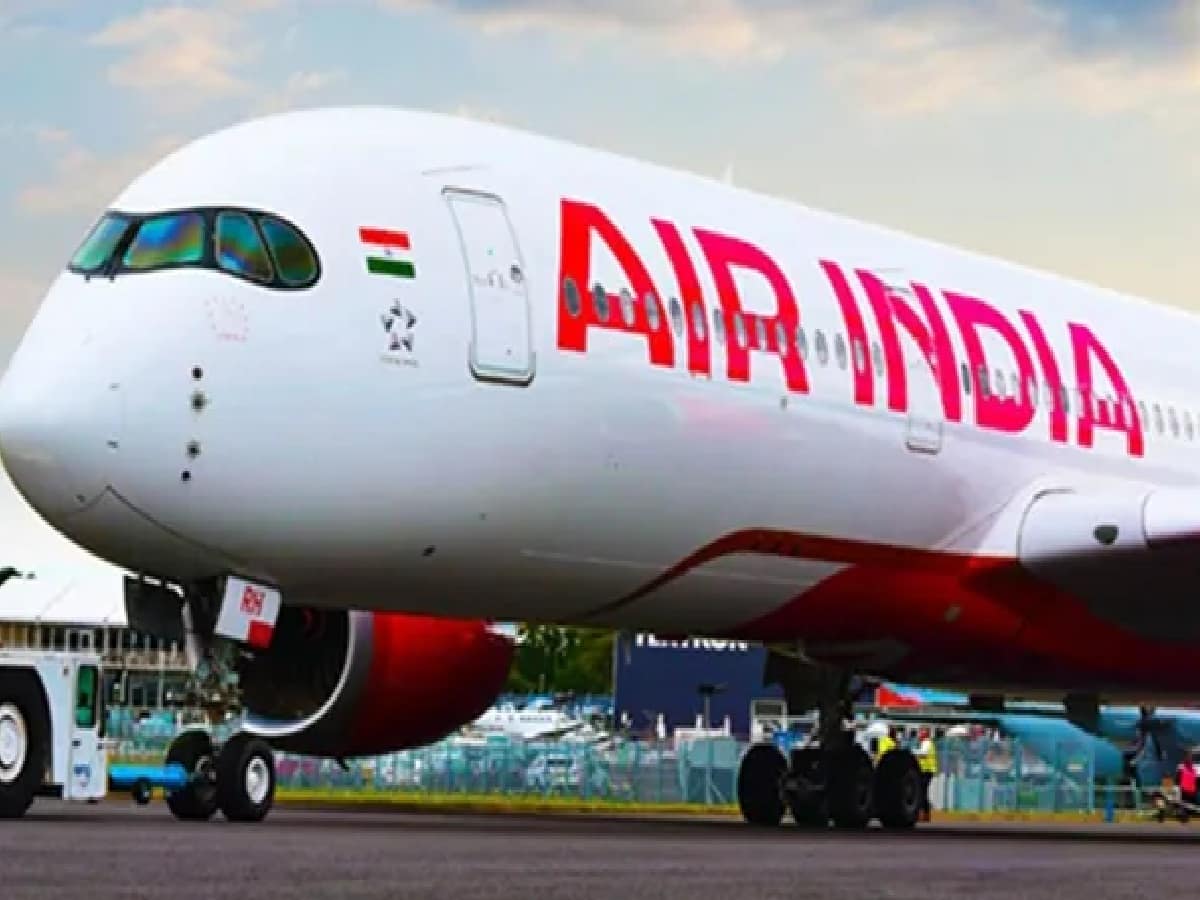
Air India Resumes Nonstop US Flights as Iraq Airspace Opens
In a welcome relief for transatlantic travelers heading into the busy winter holiday season, Air India has officially restored direct, nonstop flight operations between India's primary metropolitan hubs and the New York metropolitan area, effectively shaving nearly four hours off overall transit times. Starting Wednesday, November 4, 2026, the national carrier eliminated the mandatory technical refueling stop at Rome's Leonardo da Vinci–Fiumicino Airport (FCO) across all four of its flagship westbound services connecting Indira Gandhi International Airport in Delhi and Chhatrapati Shivaji Maharaj International Airport in Mumbai to John F. Kennedy International Airport (JFK) and Newark Liberty International Airport (EWR). The strategic route realignment brings total gate-to-gate travel times back down to an efficient 15 to 16 hours, dismantling the punishing 20-hour multi-leg itineraries that passengers had been forced to endure over the past eight months following severe geopolitical escalations across the Middle East.
Reopening of Middle Eastern Skies: How Iraqi Corridors Shaved Off Four Hours
The breakthrough restoration of direct point-to-point flights was unlocked after international aviation security regulators downgraded conflict risk assessments across key Middle Eastern air navigation zones, including corridors over Iraq, Jordan, and Syria. Following the outbreak of the regional conflict on February 28, 2026, commercial carriers faced widespread airspace closures over Iran and Iraq, cutting off the standard flight paths that link South Asia with Europe and North America. Without access to these critical aerial pathways, Air India’s ultra-long-haul Boeing 777-200LR and 777-300ER widebody aircraft were unable to carry sufficient fuel loads to fly directly across alternate southern European routings against seasonal atmospheric resistance, necessitating the operational stopover in Rome for refueling, safety inspections, and mandatory flight crew rotations.
With the resumption of authorized overflights through Iraqi skies, Air India's flight dispatch and network planning teams moved swiftly to re-engineer westbound flight trajectories. By charting tracks through newly cleared Iraqi corridors, aircraft can once again pursue optimized great-circle routes toward North America without undertaking lengthy diversions around the Arabian Peninsula and the Mediterranean basin. The elimination of the intermediate landing at Rome not only removes around four hours of journey time for long-distance flyers, but also does away with the physical friction of dual take-offs, intermediate taxi times, and potential runway delays, substantially boosting passenger comfort on what represents one of the longest continuous sectors in global commercial aviation.
Geopolitical Bottlenecks: Pakistan Closures and the Westbound Detour
While the reopening of Iraqi airspace marks a pivotal logistical milestone, it arrives against the backdrop of sustained geopolitical complexities that continue to challenge Indian commercial aviation. The operational puzzle for flights originating out of northern India became acute following the complete closure of Pakistani airspace to Indian air carriers in April 2026. Denied access to northern overflight corridors across Pakistan, westbound flights out of Delhi have had to execute an immediate southward detour over Gujarat and the Arabian Sea before turning westward toward the Persian Gulf, adding substantial track mileage and burned fuel before ever reaching Middle Eastern entry waypoints.
This geographic restriction was severely compounded when central Iranian airspace was sealed off in late February, leaving airlines with virtually no viable, direct overland alternatives through the Eurasian corridor. For Air India—which remains one of the few global network carriers operating direct, non-stop services connecting India and the United States—maintaining transatlantic connectivity required absorbing significant operational cost escalations, elevated fuel consumption, and complex scheduling rejigs. Although sovereign Iranian skies remain strictly off-limits to civil air traffic, the operational availability of Iraq provides an essential safety valve that allows the carrier to restore its premium non-stop value proposition on its most lucrative international corporate routes.
Winter Headwinds and Load Penalties: What Flyers Can Expect Through January
Despite the return to nonstop flying, airline operational planners and senior long-haul pilots caution that regional constraints will continue to require careful payload management throughout the winter schedule. Because flights must continue to bypass Pakistani territory, aircraft are forced to burn additional fuel on the initial departure leg, necessitating strict "load penalties". These operational restrictions cap the maximum volume of commercial cargo and occasionally restrict passenger seat availability on select sectors to guarantee that aircraft remain within certified maximum take-off weights while carrying mandated fuel reserves.
Aviation meteorologists and flight crews highlight that non-stop performance is comfortably viable throughout November and December, when prevailing atmospheric winds across the northern hemisphere remain moderate. However, the operating environment faces potential disruptions beginning in January, when high-altitude winter jet streams gather peak velocity across central Europe and the North Atlantic. If heavy winter headwinds exceed seasonal averages and passenger bookings reach capacity, flight operations may occasionally mandate temporary technical fuel stops on specific westbound sectors to preserve essential safety margins. Nevertheless, airline operational executives emphasize that the standard baseline for the New York and Newark routes will remain nonstop for the foreseeable future.
Capacity Expansion and Long-Term Horizon for Transatlantic Routes
The restoration of non-stop New York operations arrives at an opportune commercial window, perfectly timed to serve heavy passenger volumes during the Indian festive season, winter school recesses, and international NRI travel periods. Looking ahead, Air India management is actively monitoring diplomatic and regulatory developments across the region, expressing optimism that Iranian airspace may eventually reopen once regional stabilization takes hold. Securing overflight rights across both Iran and Iraq would unlock the shortest historical flight corridors between the Indian subcontinent and North America, substantially diminishing fuel burn and opening the door for expanded frequencies to major international gateways like Chicago O'Hare, San Francisco, and Washington Dulles.
For travelers booking flights between India and North America, the removal of the Rome stopover reinforces Air India’s distinctive competitive moat in long-haul passenger transit. By trimming nearly a quarter of a day off round-trip itineraries and re-establishing seamless point-to-point connections, the carrier not only delivers significant fuel and operational cost savings to its own bottom line, but also provides a vastly improved, premium travel experience for global Indian travelers navigating international skies.




