
 desk
desk Share
Share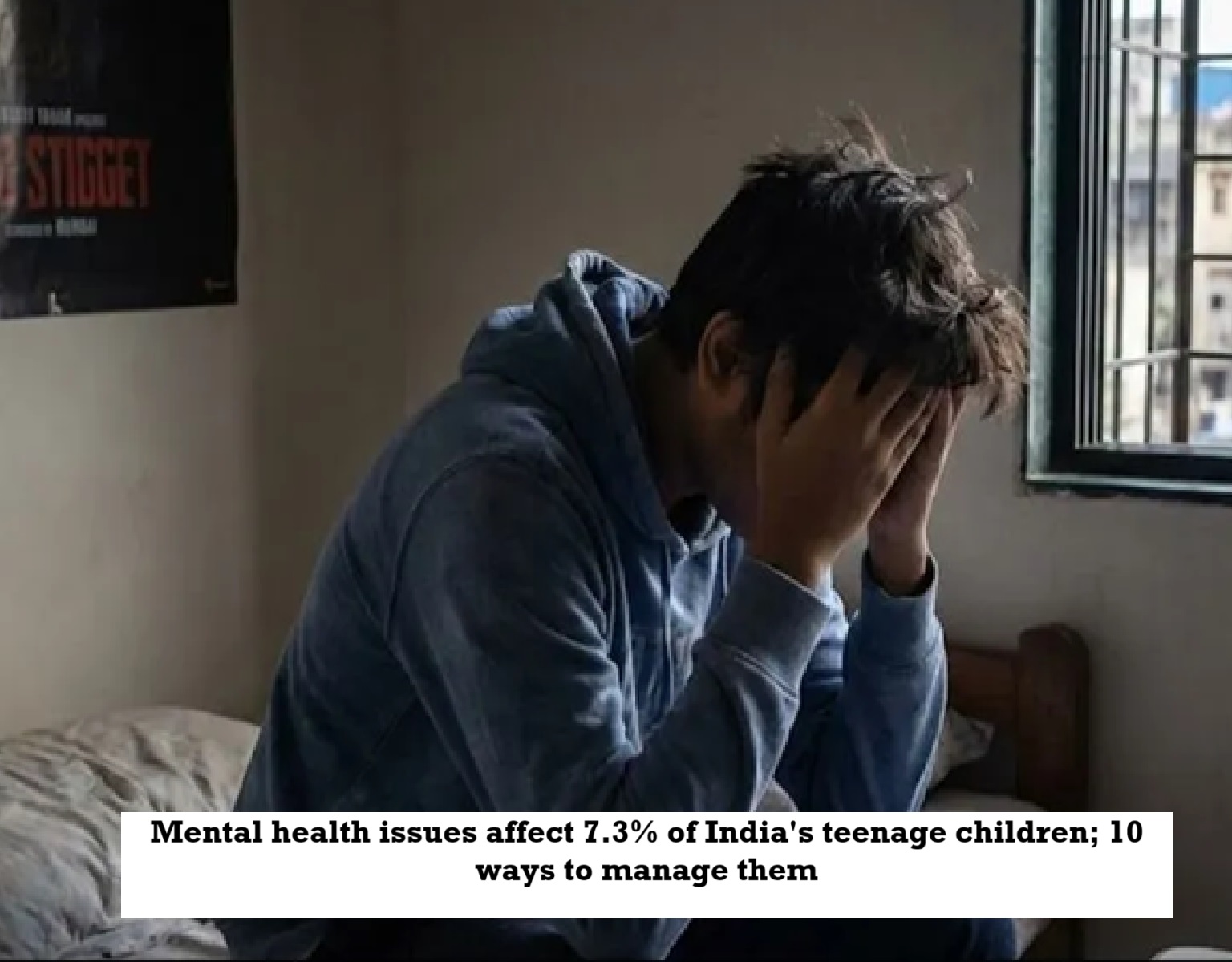
News Topical, Digital Desk : Mental health issues are on the rise these days. Work pressure and family responsibilities often lead to stress and depression. However, even younger people are becoming victims of these problems these days.
Recently, Minister of State for Health and Family Welfare, Prataprao Jadhav, shared the results of the National Mental Health Survey (NHMS), which revealed that younger people in the country are becoming vulnerable to mental health issues. Let's explore the survey report in detail.
Mental health issues increased at a young age
Prataprao Jadhav stated that cases of mental health disorders among 13-17-year-olds have increased by approximately 7.3 percent in 12 states. He also stated that the government launched a "National Tele Mental Health Program" on October 10, 2022, to address and provide care for mental health issues nationwide.
Signs of Mental Health Issues in Children
- Sadness, irritability, feeling worthless
- behavior modification
- Sleep and appetite problems
- lack of interest in studies
- Unexplained body pain
- started cutting off from people
How to Manage Mental Health Disorders in Teens
- According to UNICEF, find ways to talk to your child. Ask them how their day was and what they've been doing. You can encourage them to get involved in something.
- Remind them that you're there for them, no matter what. Let them know that you want to know how they're feeling and what they're thinking.
- It's important that you acknowledge and understand their feelings, even if it feels uncomfortable. When they share something with you, you can respond by saying, "I understand," "That sounds like a difficult situation," or "That makes sense."
- Adolescence means independence! Try to give your teen enough time and space to be themselves. It's natural to feel the need for space as they grow older.
- Find ways to encourage your teen to take a break from schoolwork, homework, or other activities and do things they enjoy.
- If your child feels frustrated, consider working with them to come up with some solutions. Try not to overwhelm them or tell them what to do.
- Listen to your children's opinions and try to resolve their problems calmly. Remember that everyone experiences stress.
- Never discuss an issue when you're angry. Walk away, take a breath, and calm down. You can talk to your child about it later.
- Be honest and transparent with your child. You can let them know that you're experiencing additional stress as well. Showing them how you deal with your difficult emotions can help them understand that their feelings are okay.
- Caregivers have a lot to handle. You too need your own care and support. Self-care is a great way to teach this habit to your teen.
Read More: Guava For Pregnant Women: Should pregnant women not eat guava in winter, what do doctors say?
--Advertisement--


