







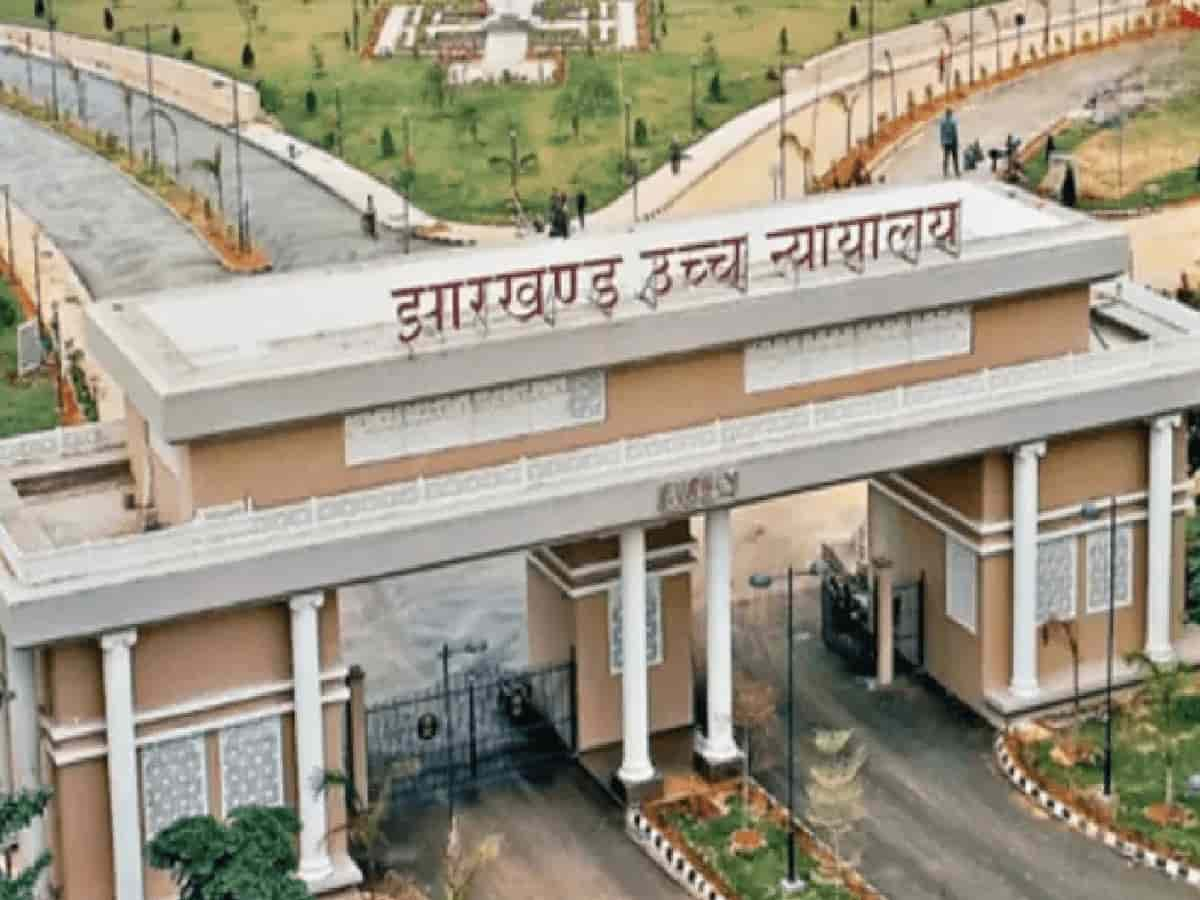
JSSC CGL Jobs Safe: High Court Quashes Mass Exam Cancellation
In a landmark judicial verdict arriving just ahead of the festive celebrations of Deepawali, the Jharkhand High Court has delivered monumental relief to over 1,900 selected civil servants whose state government jobs were thrown into immediate peril following a blanket cabinet decision to scrap the entire recruitment process. Presiding over a batch of writ petitions challenging the executive action, the single-judge bench of Justice Deepak Roshan set aside the state government’s August notification that had rescinded the Combined Graduate Level (CGL) examination conducted under Advertisement Number 10/2023 by the Jharkhand Staff Selection Commission (JSSC). Delivering a sharp constitutional rebuke to arbitrary administrative overreach, the High Court termed the blanket cancellation unjust, unfair, and legally unsustainable, ruling that appointed public servants cannot face summary termination without specific evidence of wrongdoing established through due criminal prosecution. The ruling ensures that thousands of appointed professionals across diverse state secretariats and district collectorates continue their administrative duties uninterrupted, with full entitlement to salaries, service continuity, and consequential career benefits.
The Background: How Protests Led to a Blanket Cabinet Decision
The contentious dispute traces its origin to the Jharkhand General Graduate Level Combined Competitive Examination (JGGLCCE) conducted by the commission to fill key clerical, revenue, and assistant section officer vacancies. While the examination process led to the selection and formal departmental appointment of over 1,900 meritorious candidates, the recruitment was simultaneously shadowed by allegations of paper leak syndicates and procedural malpractices. Agitated youth and diverse student unions launched aggressive state-wide demonstrations demanding strict inquiries into competitive tests overseen by the state testing machinery.
Under intense political heat and escalating public protests, the state cabinet headed by Chief Minister Hemant Soren convened an emergency meeting on August 17, 2026. Rather than isolating corrupted test nodes, the state government issued an executive notification on August 18 ordering the blanket cancellation of multiple recruitment drives, including the 2024 JSSC-CGL exams. By dissolving the recruitment exercise wholesale, the executive decision unilaterally dismantled the employment contracts and active service tenures of candidates who had already cleared every competitive barrier, verified their credentials, received appointment letters, and served in government postings for several months.
The Doctrine of Segregation: Why the High Court Rejected Mass Scrapping
Faced with sudden termination and professional uncertainty, affected candidates organized legal representation and approached the Jharkhand High Court to challenge the government's order. Represented by senior advocates, the petitioners advanced a central constitutional argument: collective punitive action without establishing individual culpability violates Articles 14 and 16 of the Constitution of India. The petitioners argued that if isolated individuals had engaged in unfair means, investigative agencies should identify and prosecute those offenders, rather than punishing honest candidates who secured selection through merit.
Upholding these legal submissions, Justice Deepak Roshan ruled that public protests and unproven suspicions cannot serve as legal grounds to wipe away an entire recruitment drive:
-
Incomplete Inquiries Cannot Annul Appointments: The court observed that scrapping an entire examination process on the basis of an ongoing, inconclusive police inquiry or preliminary agency report lacks legal standing.
-
Separation of Innocent from Guilty (Segregation): Reaffirming established Supreme Court precedents, the bench emphasized the doctrine of segregation. When malpractices are alleged, the state must separate untainted candidates from tainted beneficiaries rather than canceling the entire batch.
-
Protection from Arbitrary Dismissal: The High Court ordered that appointed candidates must be treated as having continued in active government service without interruption, confirming that no selected employee can be removed from public office without specific criminal prosecution and proven individual complicity.
Ongoing Criminal Investigations: Culprits Will Not Escape Justice
While providing comprehensive job security to selected personnel, the High Court clarified that its order does not grant immunity to individuals who engaged in corruption or fraudulent practices. The judicial bench maintained a clear distinction between administrative job continuity for bona fide appointees and ongoing criminal inquiries into recruitment cartels.
The court explicitly noted that designated state investigating agencies, including the Special Investigation Team (SIT) and the state Criminal Investigation Department (CID), remain fully authorized to continue their criminal probes into paper leaks and cheating rings. If formal forensic audits or police chargesheets uncover concrete, undeniable evidence showing that any candidate secured their selection through illicit leak networks, impersonation, or bribery, the state retains full legal authority to register FIRs, initiate criminal prosecutions, and terminate their employment following due legal procedures. However, the court declined to impose an artificial deadline on the investigating agencies, allowing the investigation to continue based on evidence.
Festive Relief: A Diwali Reprieve for 1,900 Families
The High Court's intervention brings relief to more than 1,900 candidates and their families across Ranchi, Jamshedpur, Dhanbad, Bokaro, Hazaribagh, and Dumka. For months, these appointees had lived under the looming shadow of unemployment, facing social stigma, stalled pay disbursals, and ongoing uncertainty about their career paths.
The ruling has been hailed by civil service aspirants and legal analysts as a significant victory for merit and administrative due process. By confirming that state recruitment cancellations must be backed by judicial standards of proof rather than reactive political considerations, the court has restored faith in public service recruitment across Jharkhand. As government departments begin regularizing service records and clearing pending salary dues in light of the High Court's verdict, the affected candidates can finally celebrate Diwali with restored professional dignity and secured careers.
Judicial Limits on Blanket Recruitment Cancellations
The High Court's ruling marks an important precedent in Indian administrative jurisprudence concerning competitive public recruitment. The verdict establishes a clear judicial standard for recruitment governance: while public authorities must act against institutional corruption and testing malpractices, they cannot adopt blanket cancellations that harm meritorious candidates without individual evidence.
By striking down the executive order, the court has protected both the livelihoods of honest appointees and the foundational principles of administrative justice. As Jharkhand prepares to modernize its testing frameworks, the verdict serves as a reminder that state accountability requires targeted enforcement against malpractices, rather than mass penalties that disrupt legitimate administrative recruitment.




