







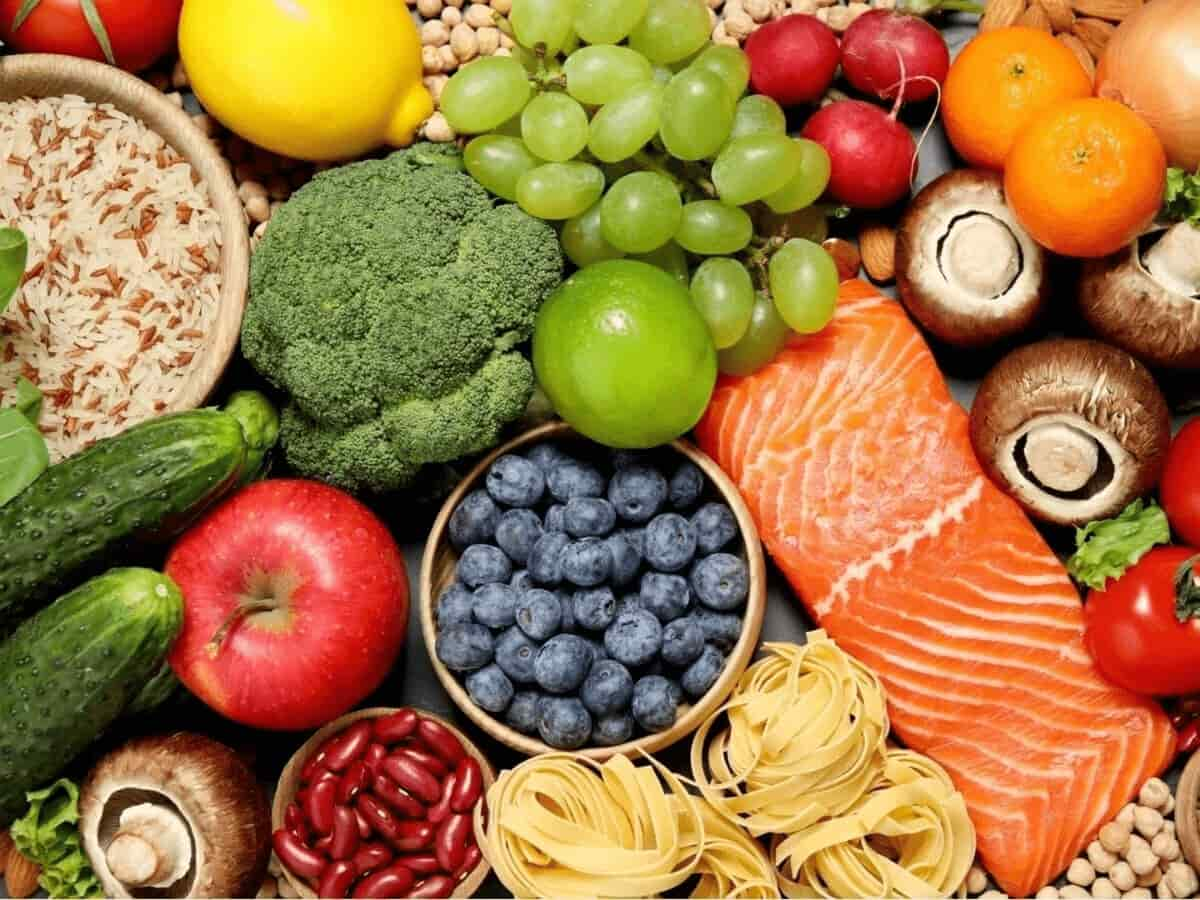
Winter Gut Health: 7 Doctor-Approved Foods to Eat Every Day
As seasonal temperatures dip across northern India, the arrival of chilly morning breezes and dense winter fog brings a natural shift in human physiology. Cold weather slows down outdoor activity, thickens the ambient air with winter inversions, and triggers notable changes in metabolic and digestive behavior. While pulling heavy woolens and quilts out of storage is the standard first line of defense against the winter chill, true thermal regulation and vitality start from within. Leading gastroenterologist Dr. Ishan Shah highlights that aligning seasonal eating patterns with cold-weather digestive realities is essential to sustaining gut health, strengthening immunity, and keeping sluggish digestion at bay. When cold weather arrives, human basal metabolic rates shift to generate body heat, making winter the ideal season to enjoy nutrient-dense, gut-friendly foods. By incorporating traditional ingredients—ranging from unrefined jaggery and roasted sesame seeds to mineral-rich leafy greens, wholesome root vegetables, and clarified butter—individuals can protect their gastrointestinal tract, optimize gut motility, and remain active all season long.
The Digestive Shift: Why Winter Demands a Seasonal Diet Realignment
In human clinical gastroenterology, seasonal transitions have a profound impact on the enteric nervous system and digestive physiology. During the colder months, the body works harder to preserve its core temperature, a physiological demand that naturally stimulates appetite and digestive enzymatic secretions. However, this increased metabolic appetite frequently clashes with reduced physical activity and lower water intake, leading to common winter complaints such as sluggish bowels, painful abdominal gas, bloating, and stubborn chronic constipation.
Dr. Ishan Shah points out that seasonal foods provided by nature during winter contain the exact nutritional matrix needed to counteract these gastrointestinal hurdles:
-
Natural Thermogenesis: Wholesome winter staples supply dense caloric fuels and healthy fatty acids that stimulate non-shivering thermogenesis, keeping the body warm without relying on synthetic supplements.
-
Gut Microbiome Nourishment: Winter root vegetables and traditional leafy greens provide rich dietary fibers and prebiotic inulin that feed beneficial intestinal microbiota, supporting mucosal lining integrity.
-
Enhanced Nutrient Bioavailability: Cold-weather foods provide a balanced combination of fat-soluble vitamins (A, D, E, and K) paired naturally with essential dietary fats, ensuring seamless absorption across the intestinal lumen.
1. Unrefined Jaggery: The Traditional Digestive Catalyst and Mineral Depot
Unrefined sugarcane jaggery (gud) has been celebrated for centuries across Indian households, particularly when enjoyed as a bite-sized post-meal digestive. Unlike refined white sugar, which provides empty calories and triggers rapid glucose spikes followed by gut inflammation, authentic dark jaggery retains molasses and essential minerals, including elemental iron, potassium, magnesium, and calcium.
From a gastroenterological standpoint, consuming a small portion of jaggery stimulates gastric digestive enzymes in the stomach, speeding up digestion after dense winter meals. Its iron content actively supports red blood cell production, while magnesium helps relax smooth intestinal muscles, preventing painful abdominal cramps. Incorporating jaggery into warm ginger tea or consuming a small coin-sized cube after lunch offers a natural way to satisfy post-meal sweet cravings while keeping digestive fires burning cleanly. Because it remains a calorie-dense sugar, moderation is key, especially for individuals managing diabetes.
2. Sesame Seeds: High-Calcium Powerhouses for Bone and Bowel Health
Tiny yet nutrient-dense, sesame seeds (til) represent an indispensable winter staple across rural and urban kitchens alike. Available in both black and white varieties, sesame seeds are rich in bioavailable calcium, zinc, non-heme iron, plant protein, dietary fiber, and healthy monounsaturated and polyunsaturated fats.
The high concentration of dietary fiber and natural oils inside sesame seeds provides gentle lubrication to the digestive tract, encouraging smoother bowel movements and protecting against dry winter constipation. Furthermore, their high calcium and phosphorus content helps preserve bone mineral density during months when low sunlight reduces endogenous vitamin D synthesis. Enjoying sesame seeds lightly toasted over morning oats, incorporated into traditional homemade winter sweets like til chikki or til ke laddu, or blended into savory vegetable dishes provides a steady, sustained release of warmth and energy.
3. Winter Green Leafy Vegetables: The Unmatched Prebiotic Arsenal
The winter harvest fills regional vegetable markets with an abundance of dark, fibrous leafy greens, including spinach (palak), fenugreek leaves (methi), mustard greens (sarson), and pigweed (bathua). These greens serve as nature’s premier gut cleansing agents, delivering high concentrations of vitamin A, vitamin K, iron, folate, and soluble and insoluble dietary fibers:
| Winter Leafy Green | Key Micronutrient Profile | Primary Digestive and Metabolic Benefit |
| Mustard Greens (Sarson) | Glucosinolates, Vitamin K, Vitamin A | Stimulates hepatic detox pathways and promotes bile secretion |
| Fenugreek Leaves (Methi) | Galactomannan fiber, Saponins, Iron | Delays glucose absorption, stabilizes insulin, relieves acid reflux |
| Spinach (Palak) | Folate, Magnesium, Beta-carotene | Nourishes colon epithelial cells, prevents oxidative mucosal injury |
| Bathua (Chenopodium) | Potassium, Calcium, Dietary Fiber | Gently relieves chronic constipation, cleanses lower bowel waste |
The fibrous bulk added to the intestinal lumen by these greens creates well-formed stools, preventing stagnation inside the large intestine. Additionally, dietary folate plays a critical role in cellular renewal along the rapidly shedding epithelial wall of the stomach and colon.
4. Pure Desi Ghee: Butyrate Fuel for a Resilient Gut Barrier
Despite outdated dietary dogmas that falsely vilified all cooking fats, pure clarified butter (desi cow ghee) has regained its place as a functional digestive superfood when consumed in mindful, measured amounts. Pure ghee contains fat-soluble vitamins (A, D, E, and K) and is one of the richest dietary sources of butyric acid—a short-chain fatty acid (SCFA) that serves as the preferred energy fuel for colonocytes lining the human intestine.
Butyrate strengthens the intestinal mucosal barrier, sealing microscopic gap junctions and preventing intestinal permeability ("leaky gut"). In the stomach, a teaspoon of pure ghee drizzled over warm lentils or khichdi softens the food bolus, aiding digestive transit and facilitating the absorption of fat-soluble antioxidants from leafy vegetables. However, because ghee is calorie-dense, limiting consumption to one to two teaspoons per day ensures maximum digestive benefits without unwanted weight gain.
5. Winter Root Vegetables: Carotenoids, Nitrates, and Sustained Fuel
Root crops that mature beneath cool winter soil—such as deep red carrots, earthy beetroots, and sweet potatoes (shakarkandi)—are functional staples of cold-weather nutrition. Carrots are packed with beta-carotene, a provitamin antioxidant that the body converts into vitamin A to repair mucosal membranes lining the respiratory and gastrointestinal tracts.
Beetroots provide a rich concentration of natural dietary nitrates, which convert into nitric oxide within the vascular system, dilating blood vessels, lowering arterial blood pressure, and increasing micro-vascular blood perfusion to digestive organs. Sweet potatoes, loaded with resistant starch and soluble fiber, provide steady, non-spiking energy while serving as high-grade fuel for beneficial Bifidobacteria inside the colon. Incorporating root vegetables into slow-cooked winter soups, vegetable medleys, or roasted side dishes provides deep, lasting nourishment.
6. Almonds and Walnuts: Antioxidant Shields for Heart and Brain
Snacking on a handful of tree nuts, especially whole almonds and walnuts, offers an ideal nutritional bridge between main meals during cold winter afternoons. Almonds deliver high concentrations of alpha-tocopherol (vitamin E), an essential lipid-soluble antioxidant that protects cellular membranes against winter oxidative stress and environmental smog pollution, while delivering healthy fats and dietary fiber.
Walnuts are exceptional for their abundance of plant-based alpha-linolenic acid (ALA), an essential omega-3 fatty acid linked to reduced cardiovascular inflammation and enhanced cognitive focus. Consumed raw or soaked overnight in pure water to neutralize natural phytates and enzyme inhibitors, almonds and walnuts promote satiety, prevent erratic between-meal snacking, and supply clean fatty acids to support brain chemistry and cardiovascular stamina.
7. Quality Proteins: Eggs, Lean Chicken, and Fresh Water Fish
Providing complete, bioavailable protein is essential during winter to facilitate muscular repair, fuel leukocyte immune defenses, and sustain energy output. For non-vegetarian and eggetarian households, incorporating pasture-raised eggs, lean skinless chicken breast, and fresh-water fish into the weekly menu delivers high biological value nutrition.
Eggs deliver complete amino acid profiles along with choline, vitamin B12, and vitamin D—a nutrient in short supply during dreary, low-sunlight winter weeks. Lean poultry provides accessible protein to rebuild physical tissues without stressing the stomach with heavy saturated cooking oils. Meanwhile, consuming fresh fish twice a week supplies marine-derived EPA and DHA omega-3 fatty acids, which actively calm systemic vascular inflammation and protect joint cartilage against seasonal cold stiffness. Preparing these proteins via gentle boiling, light pan-searing, or home-style mild curries ensures optimal digestion without gastrointestinal heaviness.
Practical Principles: Balancing Winter Plates for Lifelong Health
While winter foods offer rich culinary comfort and therapeutic nutrition, reaping their benefits requires mindful moderation and structured daily habits:
-
Hydrate Consistently: Avoid the common cold-weather mistake of neglecting water intake. Drink warm water, herbal teas, or spiced broths regularly to keep intestinal fiber moving smoothly.
-
Practice Thermal Moderation: Pair heavy or rich ingredients with warming carminative spices like ginger, cumin, black pepper, and asafoetida (hing) to ignite digestive power and prevent gas accumulation.
-
Eat in Season and Locally: Choose freshly harvested local produce over imported out-of-season items, ensuring maximum micronutrient potency and peak freshness.




