Best Time to Eat Sprouted Grains: Unlock Peak Protein, Gut Health, and Vitality by Timing Your Daily Bowl
Sprouted grains and legumes represent one of the most cost-effective, bioavailable superfoods in human nutrition. The biological germination process drastically amplifies the natural vitamin, mineral, antioxidant, and active enzyme concentrations of whole grains while breaking down antinutrients like phytic acid. Commonly consumed varieties—such as whole green gram (mung), brown chickpeas (kala chana), fenugreek seeds (methi), and cowpeas (lobia)—become substantially more digestible and protein-dense post-germination. However, nutritionists and gastroenterologists emphasize that maximizing their metabolic and physiological benefits depends on consuming them at the correct time of day and in proper proportions.
Morning Breakfast Window and Post-Workout Muscle Recovery Advantages
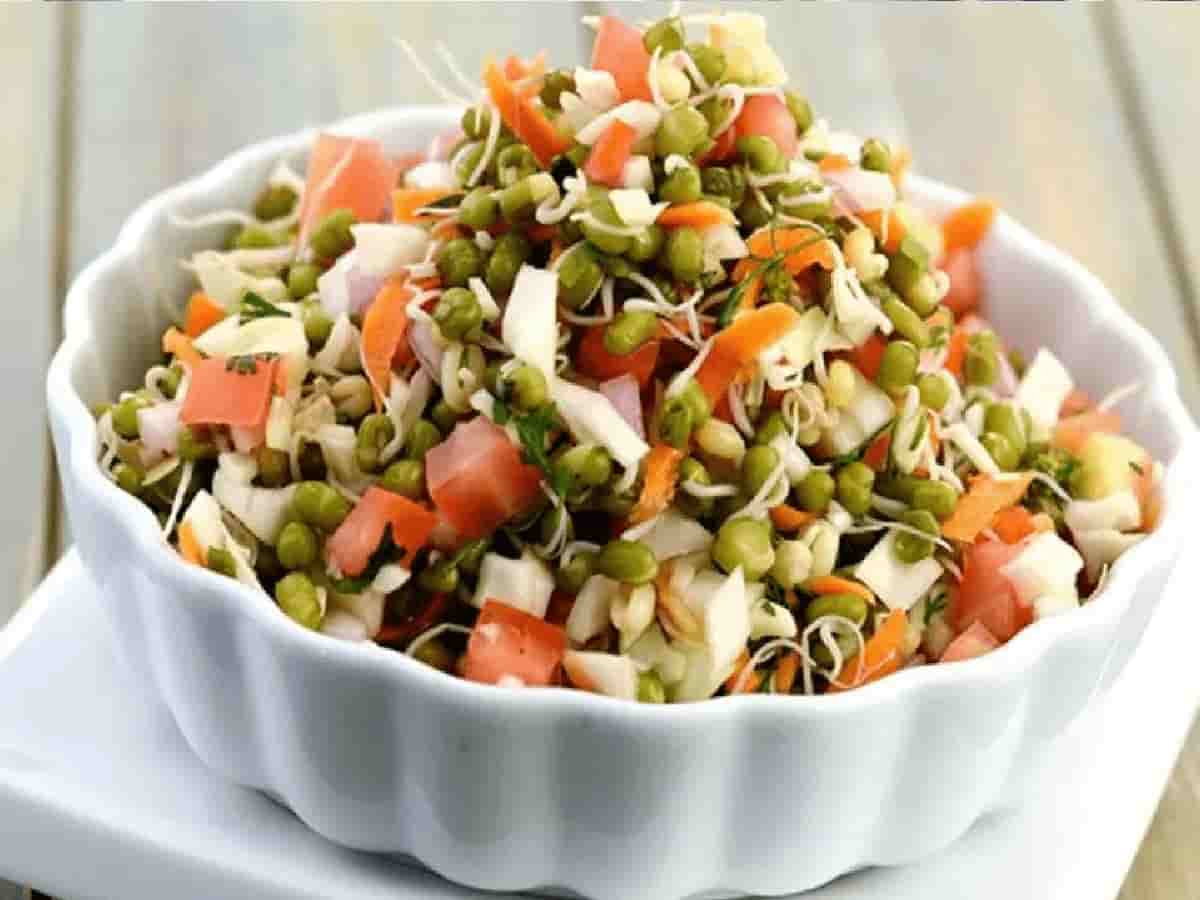
Clinical dietitians identify the morning breakfast window as the prime time to consume sprouted grains. Starting your day with sprouted mung beans or chickpeas, either on an empty stomach or integrated into a balanced breakfast plate, kickstarts metabolic functioning, activates digestive enzymes, and provides a steady release of sustained energy without blood sugar spikes. For active individuals and fitness enthusiasts, a bowl of fresh sprouts serves as a powerhouse post-workout recovery snack; the easily absorbed plant-based amino acids directly aid myofibrillar muscle repair, while complex carbohydrates restore depleted glycogen reserves when paired with a pinch of black salt and a squeeze of fresh lemon juice.
Why You Should Avoid Late-Night Sprouts and Smart Preparation Tips
Despite their extraordinary nutritional density, eating sprouted grains during late-night hours or dinner is strongly discouraged. Sprouts are loaded with dietary fiber and complex starches that demand active digestive fire; because metabolic rates and peristaltic intestinal motility decelerate significantly after dusk, nocturnal consumption often leads to fermentation in the gut, resulting in severe flatulence, painful bloating, cramping, and disrupted sleep cycles. To optimize digestibility, individuals with sensitive stomachs, chronic acidity, or irritable bowels should lightly steam or boil their sprouts rather than eating them raw, garnishing them with digestive carminatives like lemon juice, chopped cucumber, diced tomatoes, fresh coriander, and ginger to enhance flavor and nutrient assimilation while restricting daily intake to one standard bowl.