







Pakeezah's Iconic Mujra Was a Remake: The Untold Story
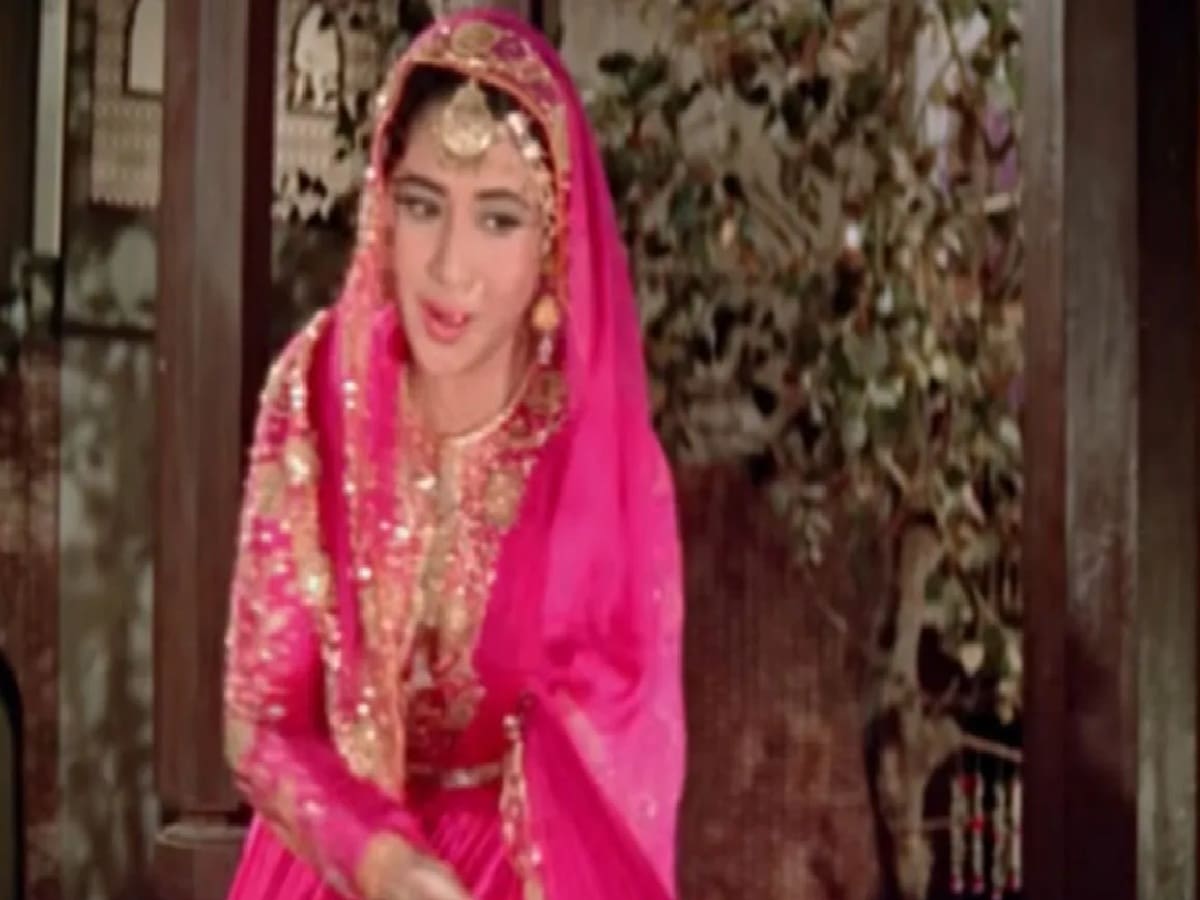
More than five decades after the theatrical premiere of Kamal Amrohi’s magnum opus Pakeezah (1972), the cinematic poetry and haunting melodies of Hindi cinema’s ultimate courtesan drama continue to mesmerize generations of cinephiles. Filmed on the "Tragedy Queen" of Indian cinema, Meena Kumari, the movie stands as a timeless monument to classic storytelling, ornate Urdu dialogue, and exquisite Kathak choreography. Among its celebrated soundtrack, the vibrant mujra number "Inhi Logon Ne Le Liya Dupatta Mera" holds a singular place in popular culture, remembered for Meena Kumari’s expressive eyes, delicate mudras, and Lata Mangeshkar’s effortless vocal ornamentations. Yet behind the dazzling chandeliers of the courtesan’s salon lies a fascinating historical secret known to very few music aficionados: the song was never originally penned for Pakeezah. Decades before it became Meena Kumari’s cultural calling card, the composition had already been recorded and released in two separate Bollywood films during the early 1940s, evolving from the folk salons of Lucknow into one of the most recognizable melodies in Indian film history.
The Awadhi Courtesan Heritage: Origins of an Ancient Thumri
Long before magnetic tape, commercial recording studios, and celluloid projection existed, "Inhi Logon Ne" lived in the vibrant oral traditions of the Awadh region in northern Uttar Pradesh. Rooted in the rich cultural soil of Lucknow, the song originated as an evocative thumri and dadra folk composition performed within the cultured kothas of classical tawaifs (courtesans). The lyrical premise drew from the classical tradition of Vaishnava poetry, echoing the playful complaints of Braj village maidens (gopis) whose veils were pulled or stolen by the mischievous Lord Krishna at the riverbank.
In the hands of Lucknow’s courtly musicians, this pastoral metaphor was reshaped into an urban courtesan lyric, where the maiden playfully rebukes the town's tradesmen—the cloth merchant (bajaj), the dyer (rangrez), and the border-maker (pathan)—for taking away her modesty and her veil (dupatta). The song was an indispensable fixture of musical gatherings in 19th-century Awadh, celebrated for its layered wordplay, coquettish charm, and rhythmic footwork. Courtesans utilized the melody to showcase their mastery over abhinaya (expressive facial gestures), establishing a cultural legacy that would eventually catch the attention of early pioneers in Bombay’s burgeoning film industry.
The Forgotten 1941 Debut: Shamshad Begum and the Film Himmat
The melody made its recorded cinematic debut in 1941, an astonishing 31 years before Pakeezah arrived in theaters. It was introduced in the black-and-white feature film Himmat, directed by Manibhai Vyas. The musical director for Himmat was the legendary Gobind Ram, who recognized the innate theatricality of the Awadhi folk tune and adapted it for mainstream cinema audiences.
To bring the composition to life, Gobind Ram turned to none other than Shamshad Begum, whose resonant, full-throated voice was dominating the northern Indian airwaves during that era. Shamshad Begum delivered the song with a distinctly robust, Punjabi folk rhythm, full of punch and earthy vitality. While the song found appreciation among filmgoers of pre-independence India, the technological limitations of early gramophone records and the shifting commercial tides of 1940s cinema meant that the recording gradually receded into the archives of vintage film memorabilia.
The 1943 Reprise: Yakub’s Version in the Movie Aabroo
Only two years after its debut in Himmat, the composition was resurrected by filmmaker Nazir Ahmed Khan for his 1943 social drama Aabroo. The soundtrack for Aabroo was composed by the visionary Pandit Gobindram once again, who chose to re-orchestrate the folk tune to fit the narrative arc of the new production.
This second cinematic version took an unconventional turn, featuring the vocals of actor-singer Yakub alongside Sitara Devi, one of Indian cinema’s foremost Kathak pioneers. The 1943 rendition leaned into dramatic dialogue delivery, emphasizing the streetwise humor of the lyrics rather than courtly classical restraint. While Aabroo enjoyed commercial success in contemporary cities like Bombay, Calcutta, and Lahore, the musical version still failed to achieve the kind of nationwide, generational permanence that would define its eventual 1972 renaissance.
Ghulam Mohammad’s Lifelong Devotion: Resurrecting the Melody for Pakeezah
The metamorphosis of a charming folk tune into a high-art cinematic masterwork was the sole handiwork of master music director Ghulam Mohammad. Deeply steeped in the classical traditions of Indian semi-classical music, Ghulam Mohammad was entrusted by filmmaker Kamal Amrohi with composing the entire auditory landscape of Pakeezah. Production on the film began as early as the late 1950s, conceived as a grand romantic ode to Amrohi’s wife and muse, Meena Kumari.
Ghulam Mohammad stripped away the rustic brassiness of the earlier 1941 and 1943 arrangements, rebuilding the melody from the ground up as a sophisticated, delicate mujra set to the gentle cadence of Kaharwa taal. He layered the track with acoustic textures: the mournful weep of the sarangi, the delicate cascades of the sitar, and the rhythmic jingle of ankle bells (ghungroos), reflecting the tragic solitude of the courtesan Sahibjaan. Tragically, Ghulam Mohammad passed away in 1968, years before the production could be completed, never living to witness the cultural phenomenon his melodies would ignite across the subcontinent.
Lata Mangeshkar’s Magic: Elevating Folk Poetry to High Art
While previous vocalists had infused the track with lively folk exuberance, it was Lata Mangeshkar’s performance that immortalized "Inhi Logon Ne" for eternity. Recording the song under the meticulous direction of Ghulam Mohammad, the melody queen brought an ethereal innocence and wistful grace to lyrics that could have easily sounded bawdy in lesser hands.
Mangeshkar modulated her voice to convey not merely playful coquetry, but an underlying sadness—the heartbreak of a woman whose dignity is constantly bartered in the public salon. Her impeccable Urdu diction, seamless breath control, and nuanced microtonal slides (meend) transformed the song into an acoustic gem. Film historians universally note that it was Mangeshkar’s interpretation that rescued the composition from the footnotes of cinema history, elevating it to an enduring symbol of golden-era Indian film music.
Meena Kumari’s Swansong: Artistry Born from Personal Pathos
The final, indispensable element of the song's legendary stature was the visual presence of Meena Kumari herself. By the time Pakeezah resumed filming in the late 1960s after years of personal separation between Kamal Amrohi and the actress, Meena Kumari’s health had deteriorated severely due to advanced liver cirrhosis. Despite being physically frail and requiring frequent rest between takes, she approached the filming of "Inhi Logon Ne" with unyielding artistic devotion.
Dressed in shimmering royal-purple silk, her subtle glances, twirls, and expressive finger movements captured the soul of a caged bird longing for pure love. The film was released in February 1972 to initially modest reviews, but when Meena Kumari tragically passed away just weeks later on March 31, 1972, at the young age of 38, audiences rushed to theaters in mourning. Pakeezah turned into an unprecedented historic blockbuster, with "Inhi Logon Ne" becoming the defining visual memory of an actress who gave her life to the craft. Fifty-four years later, while few remember the black-and-white origins of the track in 1941, the radiant, tragic grace of Meena Kumari swirling under the chandeliers remains an unforgettable chapter of cinematic history.




