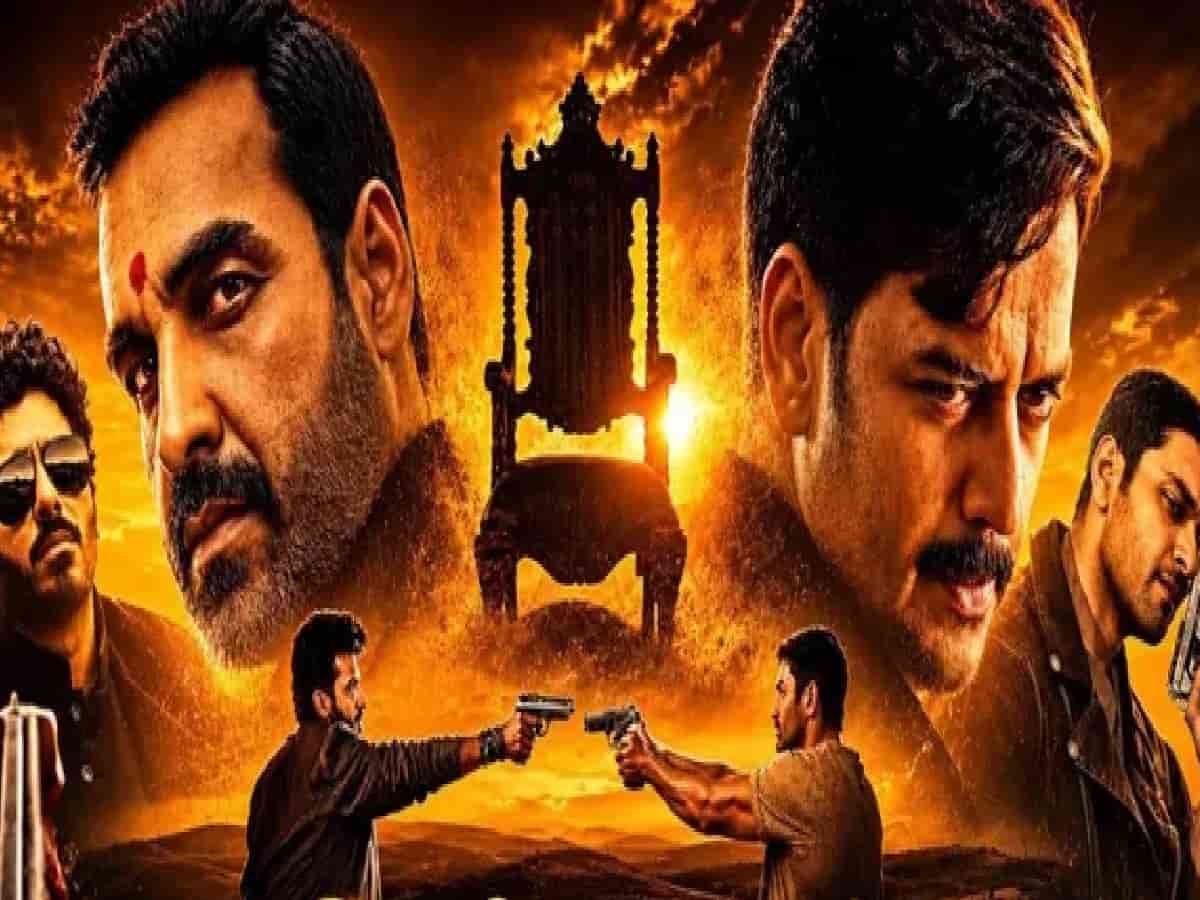
Mirzapur The Movie vs 8-Year-Old Series: 5 Key Reasons the Theatrical Crime Thriller is Shaking the Box Office
Director Gurmeet Singh's cinematic adaptation Mirzapur The Movie has taken the silver screen by storm, turning cinema halls into battlegrounds of cheering fans and delivering explosive collections at the global box office. While audiences initially assumed the theatrical version would simply repackage the beloved OTT franchise that debuted eight years ago, the cinematic iteration delivers an audacious structural revamp that departs sharply from the streaming formula. By reimagining pivotal story beats, introducing fresh blood into the Purvanchal underworld, and resetting long-standing character rivalries, the big-screen production crafts a brand-new narrative experience that sets it far apart from its episodic origins across five defining factors.
An Alternate Timeline: Tying Back to Season 1 and Expanding the Battle Beyond Purvanchal
In a notable narrative pivot, lead actor Ali Fazal revealed that the foundational premise of the movie branches off from the events surrounding the sixth and seventh episodes of the debut 2018 web series season rather than continuing the post-Season 3 timeline. From the very opening frame, the narrative stakes shift from an intimate blood feud between Akhandanand Tripathi alias Kaleen Bhaiya (Pankaj Tripathi) and Guddu Pandit (Ali Fazal) into an all-out, multi-faction gang war for the coveted throne of Mirzapur. Crucially, the theatrical screenplay introduces external power players hailing from outside Uttar Pradesh's borders, transforming a localized territorial brawl into an expansive regional power struggle.
Fresh Blood in the Badlands: New Faces Join as Key Series Pillars Exit
To sharpen the theatrical momentum, the creators injected a slate of fresh performers into the criminal roster while benching familiar streaming regulars. The big-screen outing introduces dynamic performances from Ravi Kishan as Babban Yadav, Mohit Malik portraying Birju Lohar, Sonal Chauhan stepping into the character of Mumtaz Biwi, and Satyendra Soni as Chandu Puncher. Conversely, long-running pillars of the streaming series—notably opium don Rauf Lala (portrayed by Anil George) and dogged police investigator RS Maurya (played by Amit Sial)—are entirely omitted from the feature-film script, tightening the narrative focus on high-velocity showdowns.
The Ultimate Shock: Munna Bhaiya and Guddu Pandit Forge an Unprecedented Alliance
The crowning twist that has left theatrical audiences awestruck centers on the relationship between Guddu Pandit and Munna Bhaiya (Divyenndu). While the original web series derived its core tension from their visceral, deadly animosity—culminating in Munna's demise at the close of Season 2 to avenge the killings of Bablu Pandit (Vikrant Massey) and Sweety (Shreya Pilgaonkar)—the movie subverts all expectations. In a daring finale that completely upends franchise lore, the theatrical version turns the mortal rivals into battleground allies, presenting a united front between Guddu and Munna that serves as the film's most talked-about sequence.
Condensing 29 Episodes Across 6 Years into a Breakneck 3-Hour Cinematic Cut
Between 2018 and 2024, the flagship Amazon Prime Video series unfurled its sprawling crime saga across three seasons and 29 comprehensive episodes. Condensing nearly six years of narrative density into a single, cohesive three-hour runtime presented an immense logistical challenge for director Gurmeet Singh. The resulting theatrical cut is stripped of slow-burn exposition, utilizing edge-of-the-seat pacing, rapid-fire editing, and relentless confrontation to sustain an electrifying atmosphere that caters specifically to single-screen and multiplex theatrical audiences.
High-Decibel Soundtracks: From Haryanvi Anthems to Legendary Sufi Qawwalis
Unlike the streaming show, which maintained an understated background score featuring rare standalone tracks like "Varun," Mirzapur The Movie embraces an aggressive, bass-heavy acoustic identity to maximize theater sound systems. The film integrates viral Haryanvi tracks by singer Dhanda Nyoliwala, with songs like "Do Numberi" and "Maruti" scoring adrenaline-fueled action choreography. Adding classical grandeur to the bloodshed, the filmmakers also incorporated a haunting recreation of Shahenshah-e-Qawwali Nusrat Fateh Ali Khan's evergreen devotional track "Saanson Ki Maala," lending the criminal drama an operatic emotional scale that resonates long after the credits roll.