desk
desk Share
Share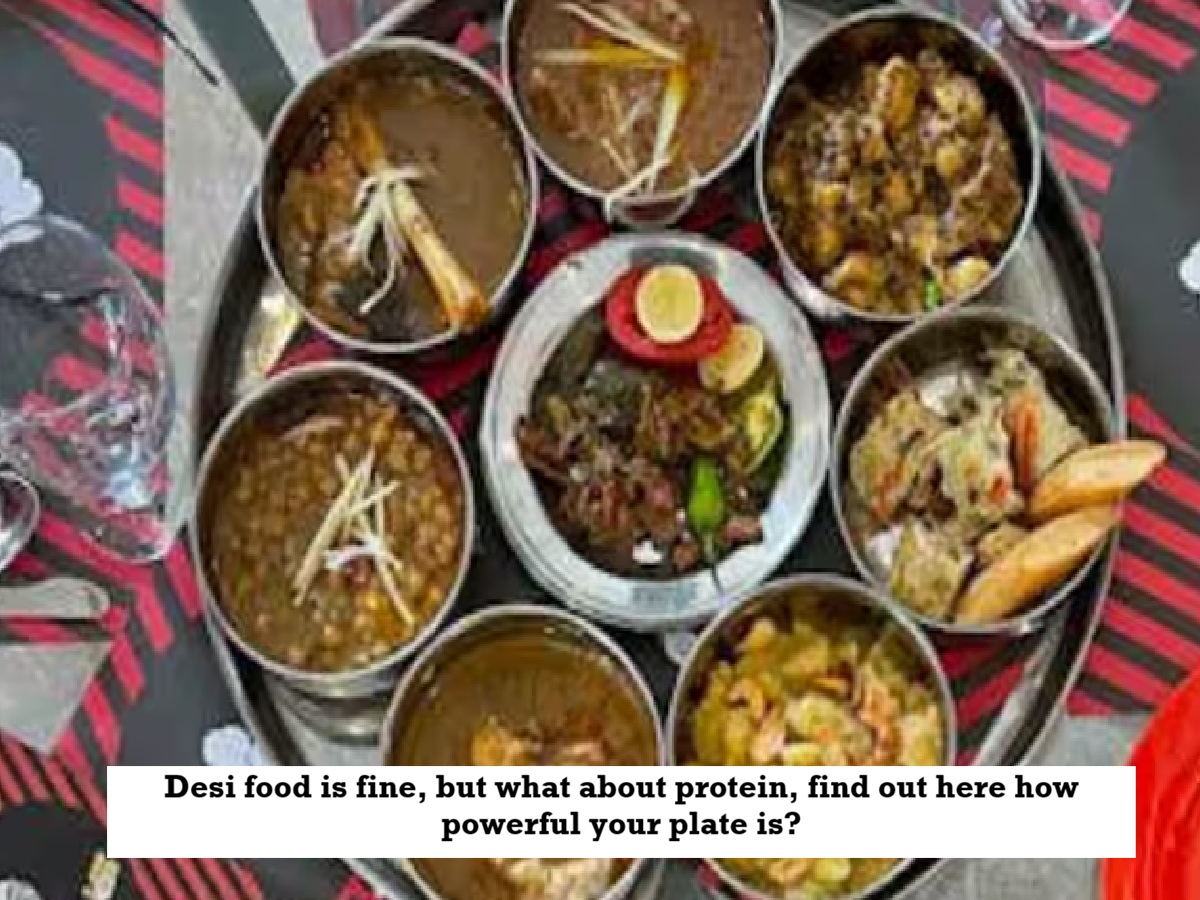
News Topical, Digital Desk : These days, fitness isn't just about having a slim waist or sculpted muscles; staying healthy and energetic is equally important. This pursuit has led to a rapid increase in the number of young people attending gyms, and with it, the trend for protein powders, shakes, and supplements. Many people spend thousands of rupees a month on supplements, believing that muscles can't be built without them. But the question is: are expensive protein powders really necessary for a good physique and strength? Experts believe that if your diet is healthy and balanced, eating local foods alone can provide the body with ample protein, energy, and strength.
Many protein powders available in the market provide instant energy, but long-term excessive consumption can have adverse effects on the liver and kidneys. Furthermore, they are quite expensive, raising the question of whether there are cheaper, safer, and more natural alternatives. So, let's find out how powerful your plate is. Whether it contains protein along with Indian food or not.
How powerful is your plate?
Have you ever considered that the food you eat every day is what truly powers you? Nowadays, people rely on expensive protein powders and supplements to stay fit, but true health and strength lie within our traditional food. Lentils, chickpeas, kidney beans, vegetables, grains, and dairy products all provide the body with essential protein, fiber, vitamins, and minerals. These nutrients strengthen muscles, boost immunity, and maintain energy throughout the day.
If your plate includes lentils and rice, roti and vegetables, yogurt, or paneer, then your diet is balanced. Beans, especially chickpeas and kidney beans, are excellent sources of natural protein, providing strength without any side effects. So, next time you eat, pay attention not only to taste but also to nutrition.
What problems can a protein deficiency cause?
If the body doesn't get enough protein, it can lead to a number of problems: nails that break easily, a weakened immune system, frequent illnesses, mood swings and thinking difficulties, muscle weakness, and weakened bones, leading to a risk of fractures.
Fulfill protein deficiency with these things
If you don't want to take supplements, try including natural foods in your diet, such as lentils, beans, and peas; dairy products like milk, yogurt, and cheese; eggs, fish, and lean meats; seeds and nuts; and soy products like tofu and tempeh.
Read More: Feeling stressed for no reason? Are you a victim of 'secondhand stress'? Learn how to prevent it.
--Advertisement--