







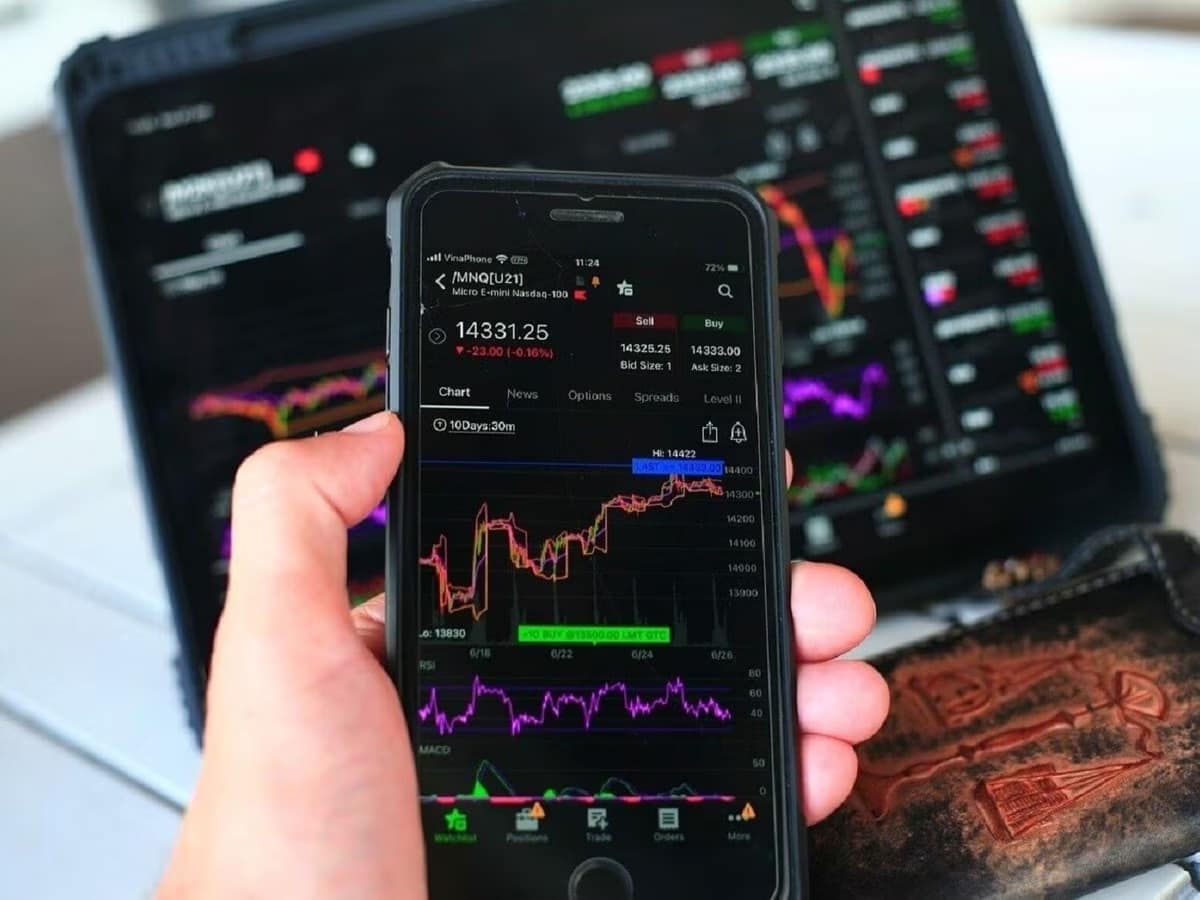
Muhurat Trading 2026: Check Diwali Timings and Market Holidays
As the festival of lights illuminates homes across the country, Dalal Street is preparing for its most anticipated and culturally symbolic annual ritual: the Diwali Muhurat Trading session. Marking the auspicious commencement of the new Hindu accounting year, Samvat 2083, the premier domestic bourses—the Bombay Stock Exchange (BSE) and the National Stock Exchange of India (NSE)—alongside the Multi Commodity Exchange (MCX), will open their trading windows on Sunday, November 8, 2026. While traditional equity operations are shut across weekends, financial institutions and retail investors will observe a special one-hour afternoon trading window between 2:20 PM and 3:30 PM. The festive session serves as an opportunity for market participants to execute token purchases, worship account books during traditional Chopda Pujan, and invoke the blessings of Goddess Lakshmi for wealth and portfolio prosperity. Meanwhile, equity trading desks have noted that the official post-Diwali market holiday will be observed on Tuesday, November 10, keeping cash and derivatives markets completely shut for Diwali-Balipratipada.
Muhurat Trading 2026: Full Schedule, Pre-Open, and Block Deal Windows
The specialized architecture of the Muhurat trading session follows a tightly calibrated sequence designed by exchange administrators to facilitate smooth order matching without liquidity bottlenecks. Prior to the commencement of the live equity session, institutional participants will execute bulk arrangements during the Block Deal window, running from 1:50 PM to 2:05 PM. Immediately following this block window, the Pre-Open trading session will initiate at 2:05 PM. Between 2:05 PM and 2:10 PM, investors and proprietary trading desks will be permitted to place, alter, or cancel both market and limit orders.
The rules tighten during the second half of the pre-open period: from 2:10 PM to 2:15 PM, only limit orders will be accepted, modified, or canceled. Between 2:15 PM and 2:17 PM, the exchange matching engine will process system-driven order matching and generate trade confirmations. A short three-minute buffer from 2:17 PM to 2:20 PM will transition trading platforms into the main event. The regular, continuous live Muhurat trading session for the equity cash and derivatives segments will open at 2:20 PM and conclude at 3:30 PM. For securities subject to the Closing Auction Session (CAS), normal trading halts at 3:15 PM, followed by an auction transition and matching cycle that wraps up by 3:35 PM, leading to the final post-close market session between 3:50 PM and 4:00 PM.
Multi Commodity Exchange Timetable: Gold and Silver in the Spotlight
For investors participating in precious metals and agricultural contracts, the Multi Commodity Exchange (MCX) has scheduled an aligned operational timeline. Festive physical buying of gold and silver on Dhanteras and Diwali has long been complemented by digital and electronic contract purchases on the commodity exchange floor. On Sunday, November 8, the special pre-open session on MCX will be conducted from 2:05 PM to 2:19 PM, permitting traders to position bids across gold, silver, crude oil, and base metal contracts.
The primary live Muhurat trading session on MCX will run concurrently with the equity markets, spanning from 2:20 PM to 3:30 PM. Client code modification facilities across commodity broking desks will remain accessible until 3:45 PM to allow institutional reconciliation. Given that precious metals often witness heightened symbolic volume as families seek auspicious portfolio additions, bullion trading is projected to record active participation among wealth managers and long-term commodity allocators.
Seven Decades of Tradition: The Heritage of Samvat and Chopda Pujan
The ceremony of Muhurat Trading is a tradition unique to Indian financial markets, holding deep cultural and historical significance. The ritual traces its formal institutional origins back to 1957, when the Bombay Stock Exchange first introduced a ceremonial trading window on Diwali night. The National Stock Exchange embraced and formalized the custom in 1992, integrating electronic trading systems into the festive framework. The session represents the ceremonial closing of the old financial ledger and the opening of fresh books for Samvat 2083.
Historically, Gujarati and Marwari merchant communities gathered on the trading floor dressed in festive ethnic attire, carrying their leather-bound accounting registers (Chopda) adorned with auspicious vermilion swastikas to perform Lakshmi Pujan and Sharda Pujan before the first trade was executed. While physical open-outcry rings have given way to cloud-based algorithmic terminals and mobile trading applications, the underlying sentiment remains unchanged. Investors buy token shares of fundamentally sound blue-chip companies, holding them as heirloom investments that symbolize wealth generation, financial discipline, and divine fortune for the household. Over the past decade, benchmark indices have settled in the green in eight out of ten Muhurat sessions, reinforcing the optimistic sentiment that characterizes the Diwali trade.
Stock Market Holiday Calendar 2026: 13 Down, 3 Remaining
While the market opens briefly on Sunday for the ceremonial trade, equity investors should note that normal weekday operations will undergo an immediate holiday pause. As notified in the annual holiday circulars released by the BSE and NSE, the official Diwali holiday will be observed on Tuesday, November 10, 2026, on account of Diwali-Balipratipada. On this day, both the capital market and derivative segments will remain completely shuttered.
The 2026 stock market calendar designated a total of 16 scheduled trading holidays across the year. With 13 holidays already concluded, only three trading holidays remain on the domestic financial calendar. Earlier in the year, bourses were closed on Good Friday (April 3), Dr. Babasaheb Ambedkar Jayanti (April 14), Maharashtra Day (May 1), Bakrid (May 28), Muharram (June 26), Ganesh Chaturthi (September 14), Mahatma Gandhi Jayanti (October 2), and Dussehra (October 20). Following the upcoming Diwali-Balipratipada closure on Tuesday, November 10, trading floors will remain closed for only two subsequent occasions: Guru Nanak Jayanti / Prakash Parv on Tuesday, November 24, and Christmas on Friday, December 25.
Trading Strategies for Muhurat Session: What Market Participants Should Keep in Mind
Because the Muhurat session spans just 60 to 70 minutes, retail traders and seasoned market participants must approach the session with distinct expectations. Historically, Muhurat trading is characterized by subdued overall turnover and lower liquidity compared to a standard six-hour trading day. Consequently, institutional equity analysts advise against aggressive intraday leverage, rapid momentum scalping, or heavy speculative derivatives trading during the brief window. Low order-book depth can occasionally lead to erratic bid-ask spreads, making standard market orders susceptible to unexpected slippages.
Instead, wealth managers encourage retail investors to treat the session as an opportunity for long-term thematic portfolio building. Using disciplined limit orders, participants can initiate fresh positions in high-quality large-cap names, blue-chip banking franchises, capital goods leaders, and consumption proxies benefiting from India's robust macroeconomic growth. As the ceremonial bell rings at 2:20 PM on Sunday afternoon, Dalal Street will not merely be executing financial contracts; it will be continuing a proud heritage that blends tradition with modern capital markets, celebrating the enduring pursuit of prosperity in Samvat 2083.




