







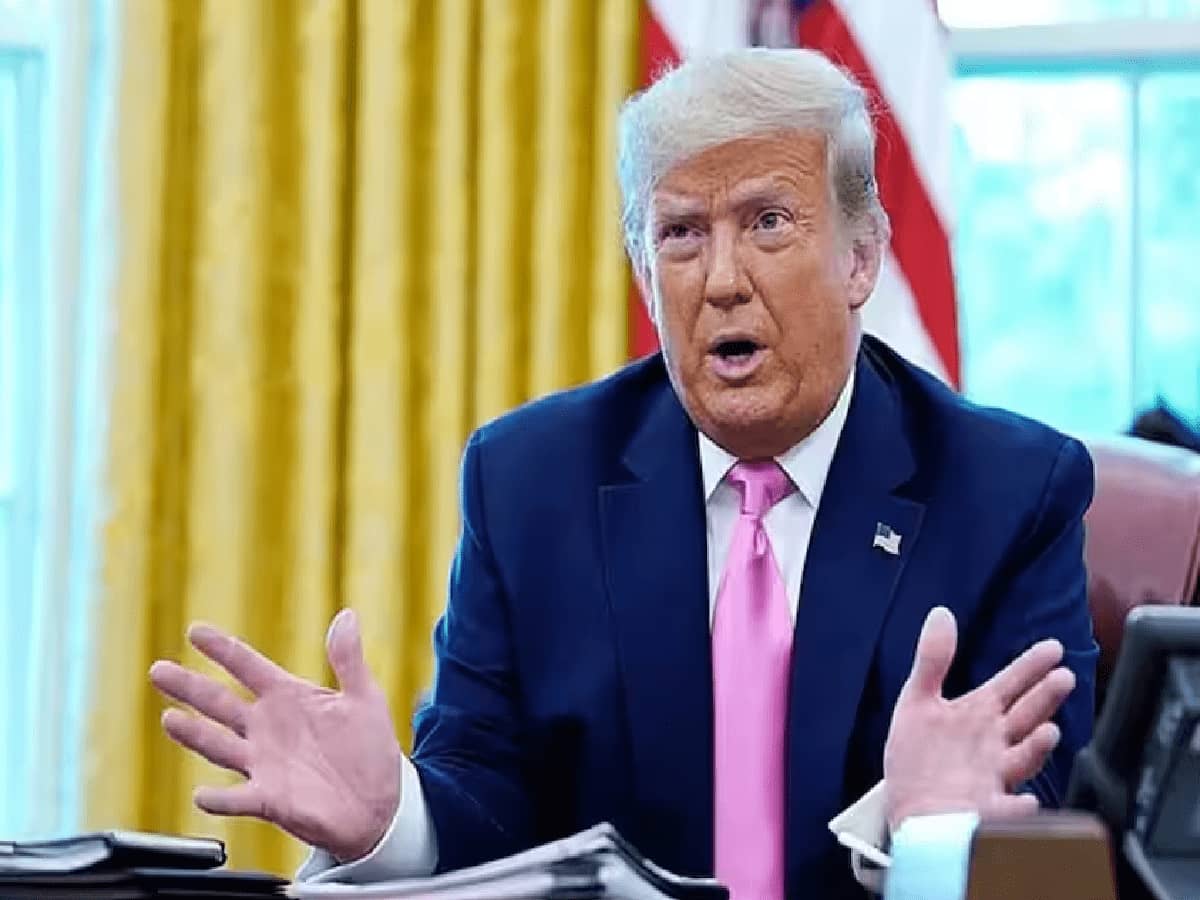
Trump Signs Executive Waiver Halting 100% Duties on India, Cites US National Interest
In an extraordinary policy reprieve delivering major commercial relief to New Delhi, US President Donald Trump has officially signed an executive order waiving the enforcement of aggressive punitive measures under the Graham Act, which would have slapped tariffs of up to 100 percent on goods imported from nations purchasing Russian oil and gas. Citing the domestic and global economic interests of the United States, Trump invoked statutory waiver clauses just two days before the harsh trade restrictions were slated to take legal effect. The executive intervention temporarily averts a catastrophic trade collision between Washington and New Delhi, shielding Indian exporters, industrial conglomerates, and petroleum refiners from prohibitive cross-border tariffs that threatened bilateral market access across the American continent.
Threat of 100% Duties Averted: What the Waiver Delivers for Indian Exporters
The executive suspension removes an imminent economic bottleneck that had loomed over India's export economy:
-
Insulating Major Export Engines: Under the proposed statutory penalties, Indian engineering goods, pharmaceuticals, textiles, gems, and IT hardware exported into the United States faced punitive secondary customs duties of up to 100 percent.
-
Protecting Domestic Energy Refiners: India continues to rely on discounted Russian crude supplies to fulfill domestic energy requirements, stabilise fuel inflation, and maintain export margins on refined petroleum products; the waiver guarantees that Indian companies will not be financially penalized for these energy flows.
-
Averting Immediate Supply Shocks: The executive action provides immediate breathing space to Indian manufacturing supply chains, preventing abrupt dislocations in bilateral contracts and currency settlement mechanisms.
-
Underlying Policy Volatility: While the current suspension removes immediate peril, international trade analysts emphasize that because the relief is tethered to a discretionary executive waiver rather than statutory repeal, any future shift in White House geopolitical strategy could re-expose Indian trade corridors to tariff risks.
The Congressional Certification: How Trump Exercised Emergency Relief Under the Graham Act
The statutory mechanism behind the waiver highlights the expansive executive authority granted under recent US defense and sanctions legislation:
-
Intent of the Graham Legislation: Crafted to choke off revenues funding Moscow's military operations against Ukraine, the statutory provisions mandated comprehensive trade embargoes alongside punitive tariffs to compel third-party nations to terminate commerce with Russia.
-
Broad Presidential Discretion: The statute explicitly granted the White House sweeping authority to grant waivers and suspend enforcement if the executive branch determines that doing so serves overriding American strategic priorities.
-
Notification to the US Congress: Exercising this emergency mandate with barely 48 hours remaining on the statutory countdown, Trump formally notified Capitol Hill of the suspension.
-
Verbatim Declaration in the Order: Confirming the move in the text of the executive order, Trump stated: "I hereby waive the sanctions, embargoes, and tariffs set forth in the Graham Act. I certify to Congress that granting such a waiver at this time is in the national interest of the United States."
Geopolitical Balancing: Energy Inflation vs Economic Sanctions
The sudden pause on trade barriers reveals the complex calculations driving White House economic policy:
-
Cooling Domestic Energy Inflation: Imposing sweeping 100 percent tariffs on major trading partners like India and China threatened to trigger immediate supply crunches across global petroleum markets, risking severe price hikes for American consumers ahead of high-stakes domestic elections.
-
Preserving Strategic Partnerships: Confronting India with secondary trade embargoes risked driving New Delhi away from Western security frameworks, running counter to broader Indo-Pacific diplomatic priorities.
-
Economic Realism Over Trade Wars: By issuing the waiver under the banner of US national interest, Washington has effectively prioritized macroeconomic stability and bilateral engagement over rigid trade enforcement.




