







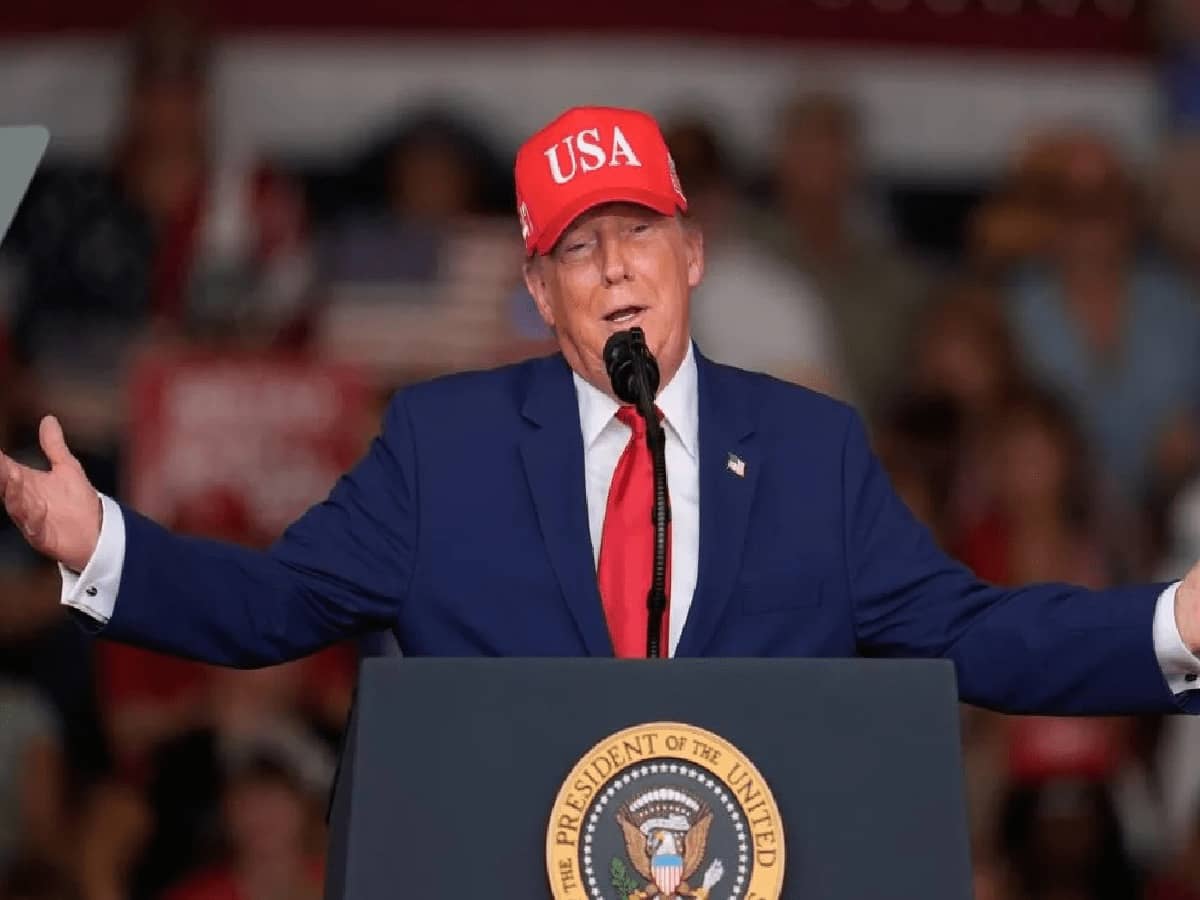
Trump Signals Saudi Arabia May Accept Israeli Military Aid Against Houthis After Deadly Riyadh Airport Strike
In a dramatic geopolitical development that could redraw alliances across the Middle East, US President Donald Trump has indicated that the Kingdom of Saudi Arabia may formally accept military and security assistance from Israel to neutralize escalating cross-border threats from Yemen’s Iran-backed Houthi movement. Speaking directly to reporters on Friday, the Republican leader emphasized that such bilateral defense cooperation could provide the ultimate catalyst to revive historic normalization efforts and formally bring Riyadh into the landmark Abraham Accords framework. The overture comes as Saudi Arabia confronts aggressive drone and missile barrages targeting core urban centers—most notably a catastrophic strike on King Khalid International Airport in Riyadh that claimed 13 lives—forcing the world's premier crude exporter to reassess regional defense pacts amid severe Red Sea maritime instability.
Abraham Accords 'More Than Ever': Trump Forecasts Unprecedented Israel-Saudi Strategic Pact
Addressing media inquiries regarding how Riyadh might handle its deteriorating southern frontier, Donald Trump delivered an optimistic appraisal of Israeli-Saudi security alignment:
-
Openness to Israeli Defense Support: When questioned whether Saudi Arabia should accept direct assistance from Tel Aviv to combat Houthi offensives, Trump affirmed that Riyadh would be willing, stating: "Israel has been very helpful to Saudi Arabia, and yes, they would certainly do it."
-
Historic Diplomatic Breakthrough on the Horizon: Asked whether shared tactical objectives could finally bring Saudi Arabia into the Abraham Accords normalization pact, Trump emphasized the timing: "The Abraham Accords are one of our greatest achievements, and yes, I would say perhaps now more than ever... But Saudi Arabia is very happy to receive support from Israel and from us."
-
Shared Strategic Imperatives: The public statement underscores an accelerating behind-the-scenes realignment, where shared aerial defense requirements against ballistic missiles and loitering munitions are breaking long-standing diplomatic barriers between Gulf monarchies and Israel.
Riyadh Airport Carnage & Red Sea Offensives: The Escalating Houthi Front
The sudden momentum behind closer regional security coordination follows months of intensifying warfare launched from Yemen:
-
Deadly Strike on Riyadh Airport: Recent Houthi missile and drone strikes have struck deep into Saudi civilian and commercial aviation infrastructure, including a lethal attack on Riyadh airport that left 13 people dead and shook regional transit confidence.
-
Aggressive September Offensives: Houthi armed formations launched an extensive blitz across Yemen in September, seizing key government-held coastal strongholds along the Red Sea and tightening their operational stranglehold over one of the world's most critical maritime choke points.
-
Iran Disclaims Direct Involvement: While Riyadh continues to accuse Tehran of arming and encouraging Houthi advances, Iranian Foreign Ministry spokesperson Esmaeil Baqaei firmly denied the allegations, maintaining that Yemen's armed forces operate with operational autonomy and that escalating regional confrontations benefits no party.
US F-35 Megadeal vs White House Tactical Shifts: Riyadh Navigates Defense Dilemmas
Despite diplomatic backing, Washington's shifting military approach has forced Saudi planners to explore diverse defense capabilities:
-
Sudden Strike U-Turn: Saudi officials had strongly lobbied the United States to launch direct military strikes to degrade Houthi launch sites; however, a sudden last-minute reversal by the White House left Saudi forces to handle frontline interception operations independently.
-
$24.3 Billion F-35 Clearance: To balance the shift, the Trump administration cleared a massive USD 24.3 billion defense arms package to supply Riyadh with 48 advanced F-35 stealth fighter jets, intended to reinforce long-term air superiority against regional threats.
-
Energy Market Vulnerabilities: The pressure on Saudi crude exports arrives at a critical juncture for global commerce, with energy corridors already destabilized following earlier disruptions in the Strait of Hormuz, making integrated air defense with Israeli sensor and interception systems an increasingly attractive proposition.




