







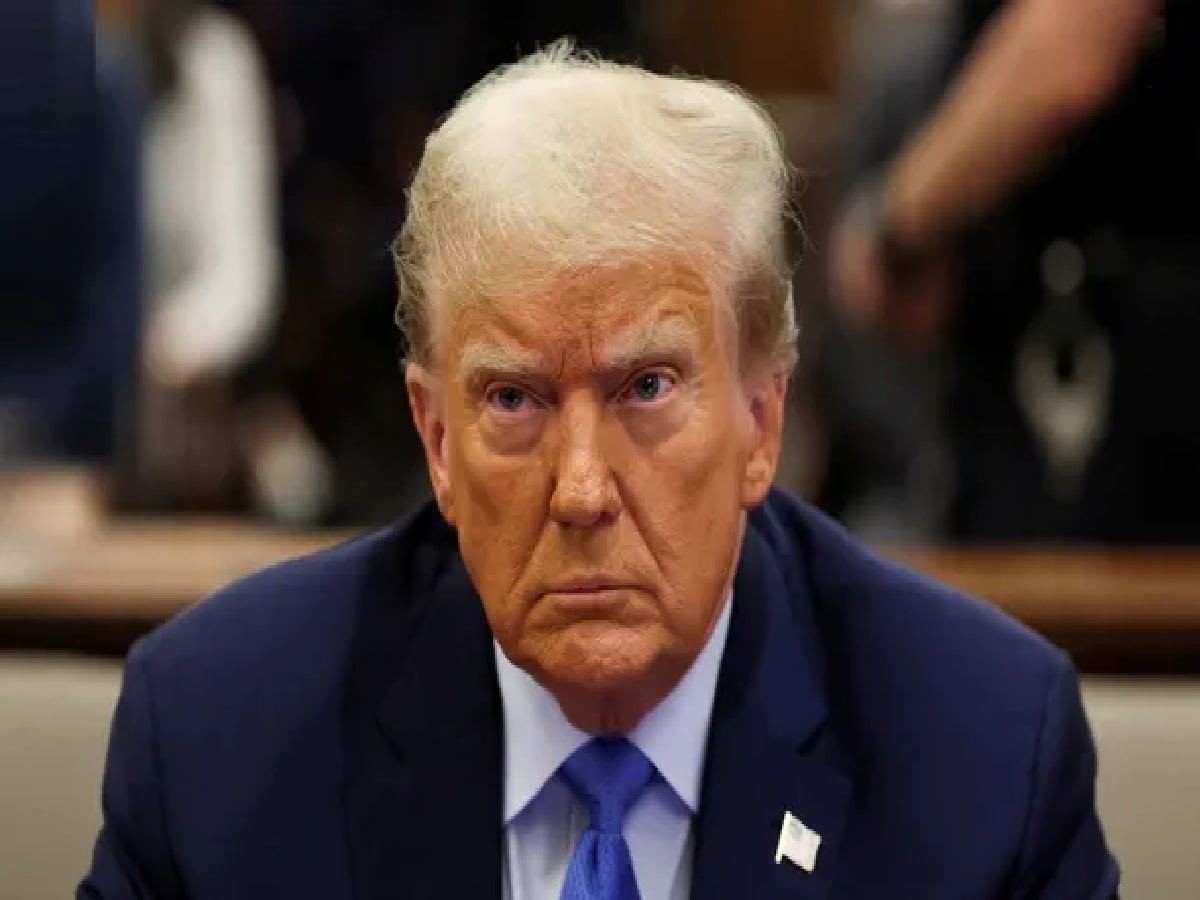
Trump Admits 8-Month Iran War and Soaring Gas Prices Cost Republicans Midterm
Confronting a decisive Republican setback in the United States midterm elections, President Donald Trump has publicly acknowledged that the eight-month military conflict with Iran, coupled with skyrocketing domestic petrol and natural gas prices, inflicted severe electoral damage on his party. Acknowledging that widespread voter frustration over war-driven economic fallout influenced the ballot box, Trump nevertheless mounted a staunch defense of the military offensive against Tehran, maintaining that ongoing operations remain strategically imperative and will proceed without disruption. The President firmly squashed speculation regarding the potential ouster of Defense Secretary Pete Hegseth amid mounting operational scrutiny, praising Hegseth for doing a great job under intense pressure. While striking an uncharacteristically conciliatory tone in an interaction with CBS News—congratulating victorious Democrats and expressing an initial willingness to collaborate for the nation's welfare—the post-election reckoning underscored how deeply Middle Eastern military commitments and kitchen-table inflation have shaken the administration's political standing.
Veto Warnings and the 'Ballot Absence' Defense: Trump Balances Concession with Defiance
The initial moderation in Trump's public stance quickly gave way to characteristic defiance as the broader implications of losing legislative majorities set in. While formally acknowledging the verdict during an interview with The New York Times, the President swiftly pivoted to an aggressive counter-narrative, attributing the Republican losses in significant measure to his own absence from the ballot papers. Issuing an uncompromising warning to Capitol Hill's incoming Democratic leadership, Trump declared that he would aggressively deploy presidential veto powers to derail any legislative proposals that do not align with his policy agenda. His remarks followed public admissions from Vice President J.D. Vance, who similarly identified the ongoing Iran campaign and uncontrolled inflation as the decisive drivers behind the midterm wipeout, confirming that foreign interventions have evolved into the White House's most vulnerable domestic liability.
Tehran Rallies Celebrate US Election Shift: Khamenei Cautions While Ghalibaf Hails Anti-War Vote
Across the Persian Gulf, the American electoral outcome ignited widespread celebrations throughout Iran, where state commentators and citizens framed the midterm results as a resounding popular repudiation of Washington’s military doctrine. As thousands of demonstrators marched through the streets of Tehran on Wednesday to commemorate the anniversary of the 1979 US embassy siege, crowds integrated celebration of Trump’s domestic defeat into their demonstrations, with Iranian Parliament Speaker and chief negotiator Mohammad Bagher Ghalibaf noting that American citizens had decisively rejected war. However, Iran's Supreme Leader Ayatollah Mojtaba Khamenei tempered expectations in a formal letter, warning against misconceptions that legislative realignments in Washington would diminish historical American hostility toward the Islamic Republic. Highlighting the symbolic weight of the shift, an Iranian judiciary-affiliated media outlet circulated a viral remark on platform X pointing out that while Trump had failed to achieve regime change in Tehran, he had inadvertently triggered one in Texas, referencing the historic breakthrough that saw a Democrat capture a US Senate seat in the traditionally deep-red southern bastion for the first time in decades.




