







Iran Sends Nuclear Proposal to US with 7 Demands on Hormuz
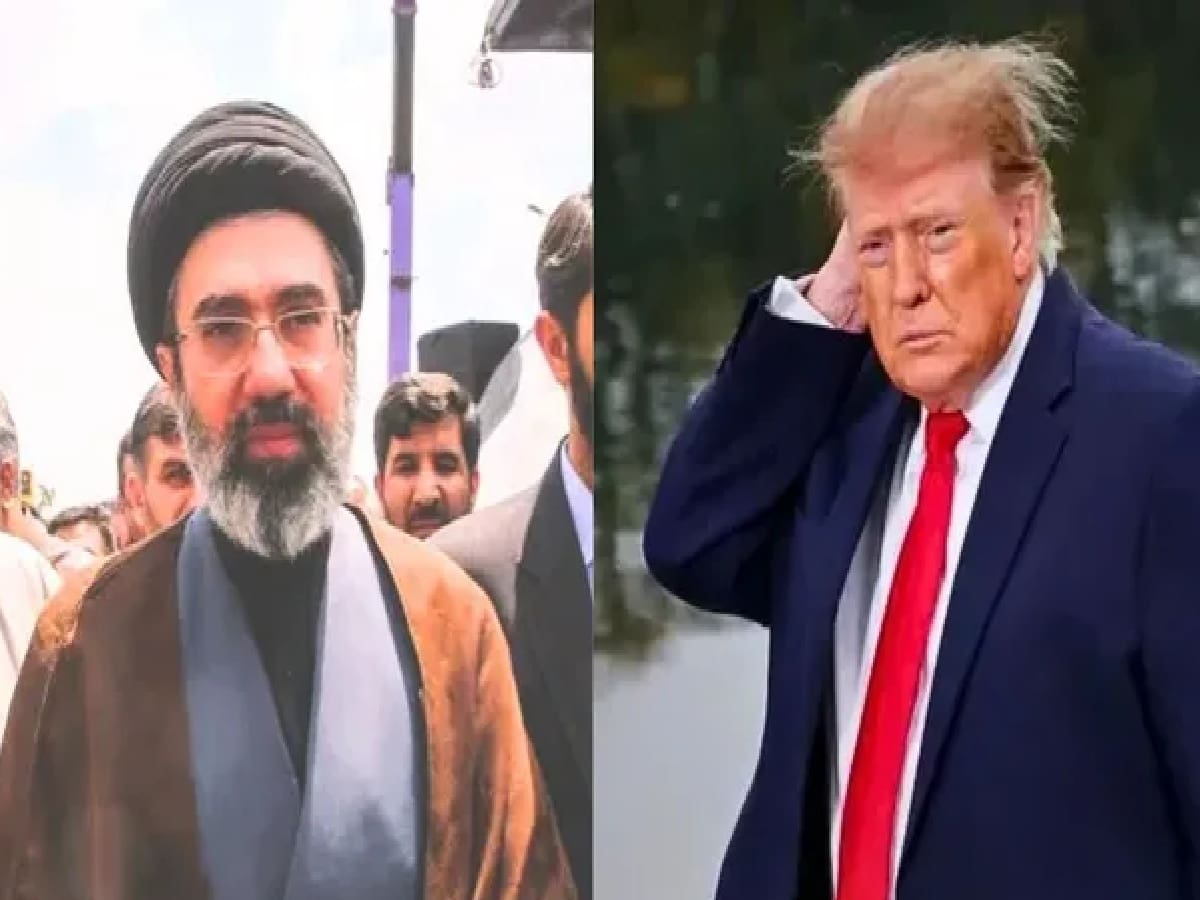
In a dramatic diplomatic overture unfolding against the backdrop of direct military exchanges, Iran has officially transmitted a comprehensive nuclear and regional de-escalation proposal to the United States through Qatari intermediaries. The initiative marks the first formal diplomatic opening since open hostilities erupted between Washington and Tehran, offering a potential exit ramp from an escalating conflict that has rattled international energy markets and pushed the Persian Gulf to the edge of full-scale war. However, the diplomatic pathway remains narrow: Tehran has made it clear that substantive negotiations will only commence if the White House accepts seven non-negotiable preconditions, centered on lifting sweeping economic sanctions, removing naval blockades, and addressing sovereignty grievances. The communication arrives just days after US President Donald Trump issued stark warnings threatening the complete destruction of Iran's vital infrastructure, underscoring the precarious balance between high-stakes backchannel diplomacy and military brinkmanship.
High-Stakes Diplomacy: Qatar Conveys Tehran's Terms Amid Escalating War Rhetoric
The existence of the document was confirmed by senior diplomatic and security officials in the region, with international news agencies confirming that Qatari emissaries delivered Tehran’s terms directly to American interlocutors in Doha. For months, the Gulf emirate of Qatar has operated as a critical backchannel conduit between the two estranged adversaries, conveying coded diplomatic positions when direct channels collapsed following the outbreak of wider regional conflict. Speaking on condition of anonymity, a senior Iranian official confirmed that the drafted blueprint encompasses both nuclear containment parameters and the de-escalation of conventional flashpoints across the Middle East. The White House National Security Council and State Department officials have acknowledged receipt of the document and confirmed that the terms are under preliminary administrative review, though US representatives have declined to release public appraisals of the package.
The diplomatic overture represents an extraordinary juxtaposition against the combative rhetoric emanating from Washington. In the wake of contentious midterm elections in the United States, President Donald Trump reiterated an uncompromising posture toward the Islamic Republic, warning that American air and naval forces retain the capability to systematically dismantle Iranian state infrastructure should maritime aggression and regional proxy engagements persist. Observers note that while the threat of renewed airstrikes hangs over Tehran, the catastrophic economic toll of regional disruption—amplified by the virtual shutdown of key maritime trade routes—has compelled both sides to evaluate whether an orchestrated settlement can be reached without precipitating an uncontainable broader war.
Mohsen Rezaei’s Ultimatum: The Seven Non-Negotiable Demands to Reopen Hormuz
Tehran’s terms were formally reinforced by Iran’s top security official, Mohsen Rezaei, Secretary of the Supreme National Security Council, who issued an uncompromising warning regarding the diplomatic timeline. Addressing international media following strategic consultations with Russian President Vladimir Putin in Moscow, Rezaei declared that the Islamic Republic will not yield to Western coercion. "On the issue of diplomacy, we have set seven conditions for the Americans," Rezaei affirmed, emphasizing that Tehran views the fulfillment of these terms as an indivisible prerequisite. "Until the Americans fulfill our seven conditions, neither will the Strait of Hormuz be opened, nor will there be any negotiations."
While the Iranian Foreign Ministry has refrained from publishing the exhaustive treaty text, disclosures reported by regional publications indicate that Tehran’s seven demands constitute an expansive rollback of Western military and financial pressure. The terms reportedly require:
-
An immediate and verifiable cessation of all hostilities in Lebanon, Gaza, and across adjacent regional fronts.
-
The lifting of the US naval blockade enforced against Iranian deep-water commercial ports and oil export terminals.
-
The comprehensive cancellation of unilateral and multilateral economic, energy, and banking sanctions imposed on Iran.
-
The unconditional release and repatriation of all frozen Iranian sovereign assets and currency reserves held in international escrow accounts.
-
A substantial, verifiable drawdown of forward-deployed US naval strike groups and aerial forces operating across the Persian Gulf and Arabian Sea.
-
The payment of comprehensive financial war reparations and restitution for destruction inflicted on Iranian civilian and energy infrastructure during military strikes.
-
A legally binding international commitment guaranteeing the permanent termination of US and allied military attacks against Iranian sovereign territory.
The Energy Chokepoint: Global Markets Shiver Under the Strait of Hormuz Shutdown
The core leverage underpinning Tehran's proposal is its ongoing maritime blockade of the Strait of Hormuz, the planet's most critical hydrocarbon arterial conduit. Typically facilitating the daily transit of approximately 20 to 21 million barrels of crude petroleum and liquefied natural gas—accounting for roughly a fifth of global petroleum consumption—the waterway has been rendered virtually impassable for Western-flagged commercial vessels following missile strikes, naval mine threats, and aggressive electronic jamming operations. Commercial maritime insurers have suspended war-risk underwriting for vessels entering the Persian Gulf, forcing global shipping conglomerates to divert supertankers along lengthy, expensive journeys around Africa's Cape of Good Hope.
This protracted maritime paralysis has inflicted severe financial shockwaves across Asian and European economies, sending Brent crude prices soaring and injecting fresh inflationary pressure into international manufacturing supply chains. By tying the reopening of the Strait directly to its seven demands, Iran has calculated that global economic distress will exert immense pressure on Washington and its European allies to compromise. However, the maritime closure represents a double-edged sword: while it provides Tehran with strategic asymmetric leverage, it has simultaneously deepened the diplomatic isolation of the Iranian economy by alienating vital regional energy consumers who rely heavily on Persian Gulf petroleum flows.
Washington Weighs Its Options: Nuclear Core Mandates vs. Tactical Concessions
From the perspective of the White House and the State Department, Tehran’s demands present profound geopolitical and domestic dilemmas. Initial responses from Washington have reiterated that any sustainable diplomatic arrangement must fundamentally prioritize irreversible rollbacks of Iran’s nuclear program. US officials have stressed that while discussions regarding maritime safety and regional de-escalation are essential, verifiable nuclear caps—including intrusive international inspections by the International Atomic Energy Agency (IAEA) and the elimination of near-weapons-grade uranium stockpiles—must serve as the centerpiece of any preliminary talks.
Administration strategists face a delicate balancing act. Acceding to Tehran's demands for war reparations or immediate sanctions relief without upfront nuclear concessions would draw fierce bipartisan condemnation on Capitol Hill, where lawmakers from both parties have advocated for maintaining maximum pressure. Conversely, outright rejecting the Qatari-brokered proposal risks entrenching the blockade of Hormuz indefinitely, leaving the White House with limited alternatives other than launching high-risk offensive military operations to clear the strait by force—an escalation that could draw regional energy hubs into the line of fire.
The Fragile Path to Peace: Balancing Absolute Deterrence and Regional Catastrophe
As Qatari diplomats shuttle between Washington and Tehran to clarify the parameters of the document, regional powers are watching closely to see whether diplomacy can prevail over military confrontation. In Tehran, Supreme Leader Ayatollah Ali Khamenei has maintained that Iran will not display the slightest inclination toward submission, urging military commanders to maintain absolute deterrence against foreign threats. Yet, the delivery of a structured seven-point framework demonstrates that the clerical establishment recognizes the necessity of establishing a negotiated off-ramp before the conflict inflicts irreversible structural damage on the domestic economy.
The coming days will determine whether the proposal serves as the foundation for serious mediation or merely a diplomatic footnote preceding further military escalation. Should Washington and Tehran find common ground on sequencing nuclear guarantees alongside phased sanctions relief and maritime security guarantees, the proposal could pave the way for an unexpected regional detente. But with the Strait of Hormuz still closed and military strike groups on hair-trigger alert, the margin for error remains razor-thin.




