







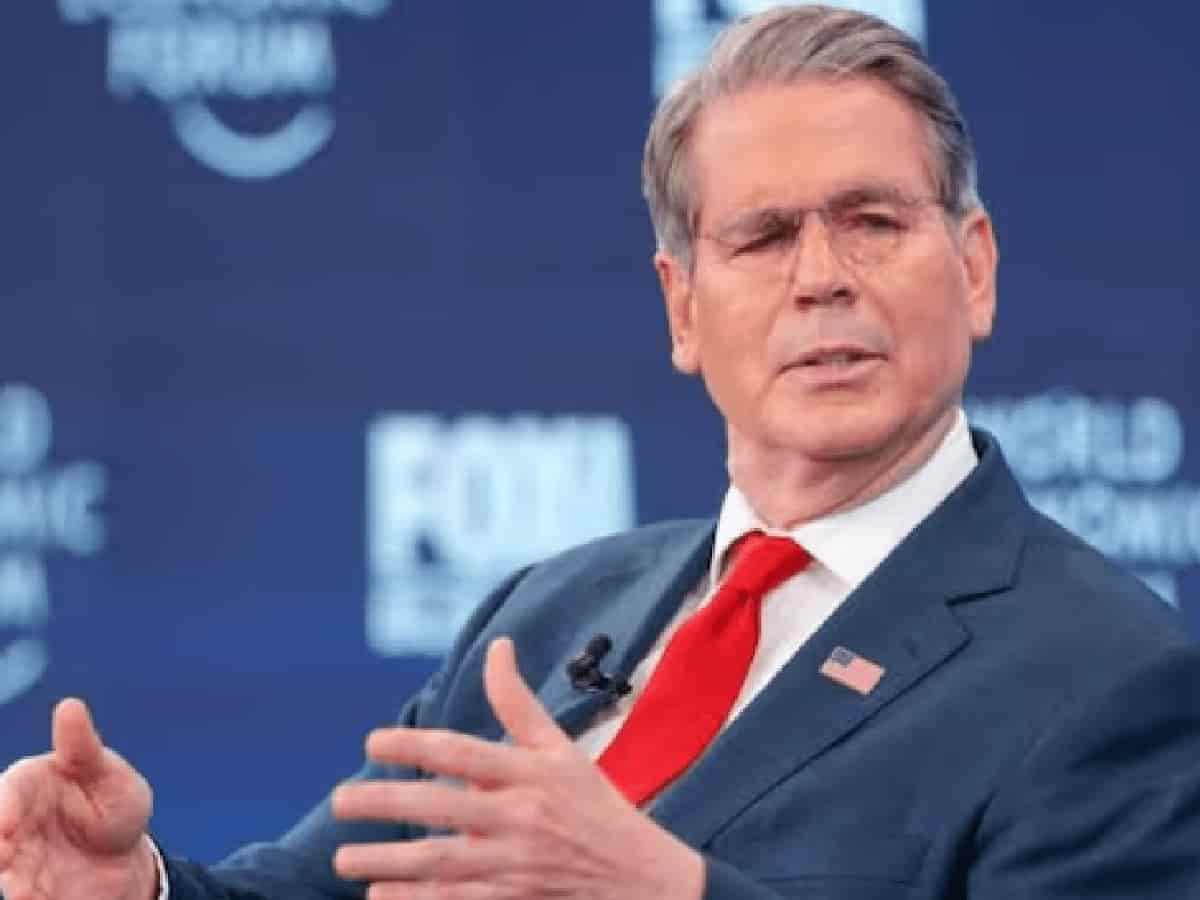
Treasury Chief Scott Bessent Moved to Military Base on Iran Threat
In a stark indicator of the expanding geopolitical risks touching the highest tiers of the American executive branch, United States Treasury Secretary Scott Bessent has vacated his private residence in the Washington, D.C. area and relocated to a fortified military installation. The emergency security measure was authorized by federal protective agencies after intelligence assessments detected credible, advanced-stage assassination and retaliatory plots orchestrated by operatives affiliated with the Iranian regime. While the specific tactical details, logistical protocols, and precise military base housing the Treasury chief remain classified, security officials confirmed that the perimeter around Bessent and his immediate family has been elevated to maximum defensive readiness.
The evacuation of a sitting Cabinet member from his domestic residence underscores the volatile fallout of the ongoing conflict between Washington, Tel Aviv, and Tehran. Although kinetic air operations and direct cross-border strikes have paused in recent days as regional intermediaries explore diplomatic off-ramps, intelligence monitors report that asymmetric threats against American policymakers have reached their highest alert level in years. A Department of the Treasury spokesperson officially confirmed the relocation on Wednesday, affirming that Secretary Bessent remains undeterred by the foreign threats and will continue executing the administration’s economic containment policies without interruption.
How Intelligence Warnings Triggered High-Level Protective Measures
The decision to move Bessent to a military compound followed a classified intelligence briefing that warned of specific, operationalized plots targeting senior figures within the Trump administration. According to reporting from The New York Times, federal counterintelligence agencies concluded that Iranian surveillance and planning operations against current and former American officials had entered an "advanced stage". An internal intelligence memorandum circulated among senior national security leadership cautioned that Tehran has committed operational resources to targeting individuals seen as instrumental in designing and executing the current military and financial pressure campaigns.
Federal law enforcement agencies, including the Federal Bureau of Investigation, the United States Secret Service, and the Treasury Department’s specialized protective details, instituted a comprehensive threat-containment protocol around Bessent's domestic perimeter before executing the transfer. Security experts noted that the physical layout of private civilian residences in metropolitan suburban neighborhoods presents vulnerabilities against drone reconnaissance, electronic tracking, and coordinated covert strikes. By transferring the Treasury chief’s living quarters to a controlled military cantonment—equipped with restricted airspace, biometric perimeter controls, and rapid-reaction military defense units—authorities aim to eliminate tactical vulnerabilities while enabling the secretary to maintain uninterrupted communications with the White House.
Architect of Economic Strangulation: Why Scott Bessent Became a Target
The heightened threat directed at Bessent stems from his role as the architect of the United States government’s aggressive economic campaign against the Islamic Republic. Since the outbreak of expanded regional warfare on February 28, the Treasury Department’s Office of Foreign Assets Control (OFAC) has executed a series of financial sanctions aimed at dismantling Tehran’s sovereign revenue streams. Under Bessent’s leadership, the department targeted foreign shipping networks, front companies, shadow-banking conduits, and maritime logistics companies facilitating Iranian crude oil exports across Asian and Middle Eastern corridors.
The economic clampdown was paired with direct military actions, including a naval blockade outside Iranian commercial terminals in the Persian Gulf and precision strikes on regional military infrastructure. Financial regulators and intelligence analysts observe that the Treasury’s sustained restrictions have severely degraded the Iranian rial, accelerated domestic consumer inflation within Iran, and restricted the regime’s ability to finance proxy formations and replace destroyed military materiel. Because financial warfare functions as a primary lever of Washington's overarching strategy, hardline elements within Tehran’s security establishment have viewed the Treasury Secretary as an operational target comparable to military planners at the Pentagon.
A Growing Pattern: Top Administration Officials Shift to Hardened Facilities
Bessent is not the first high-ranking Trump administration official compelled to abandon civilian housing in favor of secure military facilities. The move follows a series of emergency relocations executed over the past year amid heightened threats against political figures and national security officials. Senior administration figures, including White House Chief of Staff Stephen Miller and former Attorney General Pam Bondi, previously transitioned to hardened or military-protected accommodations following credible alerts.
Similar security disruptions previously impacted Vice President J.D. Vance and Secretary of State Marco Rubio, both of whom were moved to secured locations after unauthorized unmanned aerial surveillance systems were detected over sensitive civilian zones and government compounds. Beyond civilian leadership, the physical reach of the threat environment prompted the United States military to abruptly evacuate several refueling aircraft and heavy bombers from RAF Fairford in the United Kingdom following the identification of an Iran-linked terror plot that targeted the British installation. While American intelligence assessments evaluate Iran’s ability to mount large-scale conventional kinetic attacks inside the continental United States as constrained, the persistent use of third-party criminal syndicates, covert intelligence operatives, and cyber assets poses an ongoing counterintelligence challenge.
Diplomatic Denials and the Broader Geopolitical Standstill
For its part, the Iranian government has consistently denied accusations that it directs assassination plots or acts of violent subversion against American officials on sovereign United States soil. Diplomatic representatives from Tehran have routinely labeled the intelligence disclosures as disinformation designed to justify American naval blockades, bolster economic sanctions, and secure international backing for ongoing military presence across the Middle East. However, Western security agencies have pointed to continuous digital campaigns, state-sanctioned bounty announcements, and synthetic intelligence-generated target profiles targeting senior American personnel as evidence of operational intent.
The forced relocation of the Treasury Secretary underscores how deeply the shadow conflict between Washington and Tehran has encroached upon the domestic governance infrastructure of the United States. Even as international diplomats and regional monarchies in Qatar, Saudi Arabia, and the United Arab Emirates work to broker long-term ceasefires, the shadow of asymmetric retaliation continues to disrupt the normal routines of federal governance. Operating from within the confines of a fortified military base, Bessent faces the task of managing the global economic policies of the United States while living under around-the-clock military protection against foreign retaliation.




