







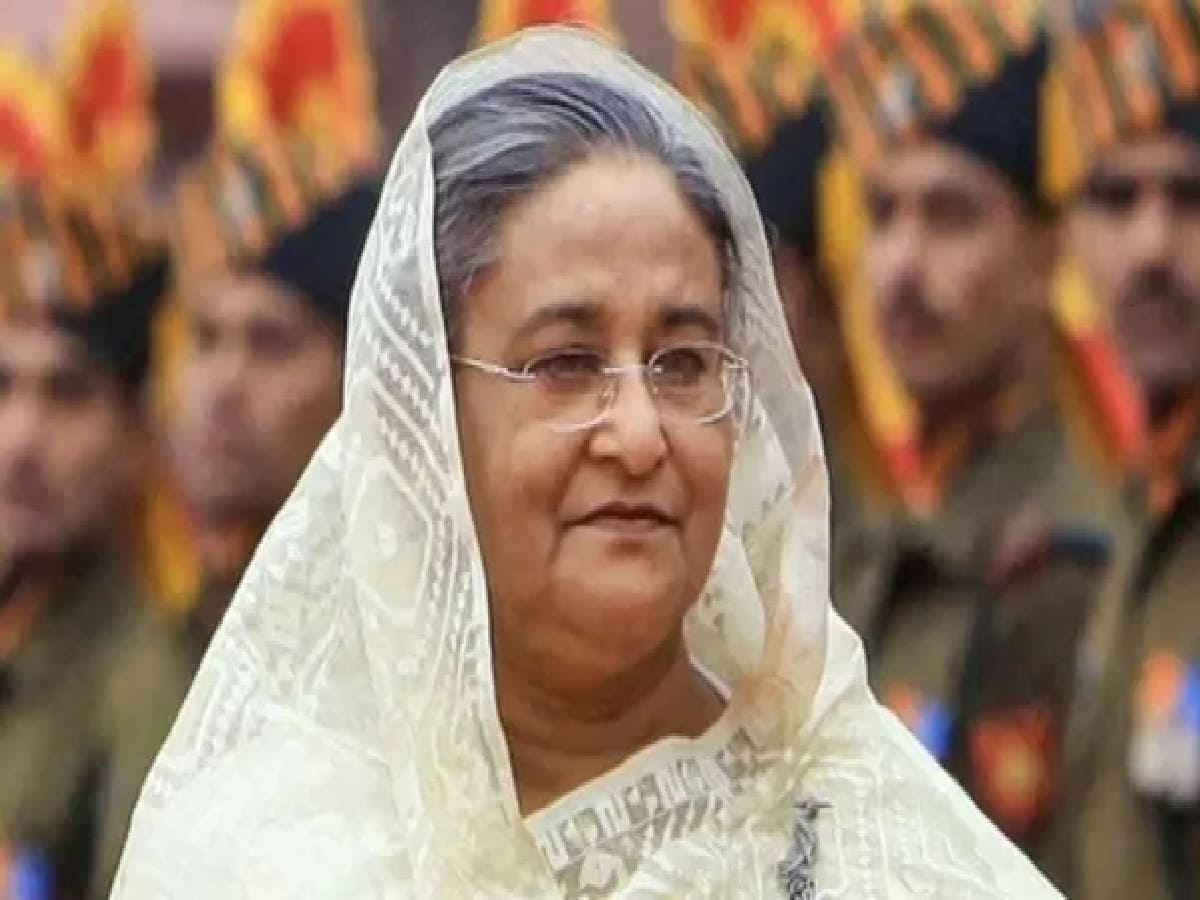
Sheikh Hasina Passport Bid Sparks Row; Dhaka Alleges Forged Signature
A fresh diplomatic and legal controversy has erupted between Dhaka and exiled former Bangladesh Prime Minister Sheikh Hasina over the authenticity of documents submitted on her behalf to the Bangladesh High Commission in New Delhi seeking a new passport and National Identity Card (NID). On Friday, November 20, 2026, Mohammad Rashed Khan, a political aide to Bangladesh Prime Minister Tarique Rahman, publicly alleged that Hasina's signature appearing on correspondence sent by London-based law firm Matrix Chambers (led by counsel Steven Powles KC) is forged—questioning how a signature written differently from her established official Bengali signature could be used in an identity-document request. In a detailed social media post, Rashed Khan claimed that after speaking with an official at the New Delhi mission, scrutiny of the letter revealed discrepancies against the signature recorded on Hasina's existing National Identity Card and official papers signed throughout her tenure as Prime Minister. The dispute follows Matrix Chambers' earlier November email to Acting High Commissioner Preeti Rahman urging expedited issuance of travel and identity documents so Hasina—who fled to India on August 5, 2024, following a student-led mass uprising and later announced her intention to return to Bangladesh in December 2026—could travel home, as well as a follow-up November 19 communication enclosing an authorization letter after Dhaka questioned whether the UK barristers had been formally appointed. While Awami League leaders circulated copies of the correspondence on verified social media handles, neither the letters nor the forgery claims have been independently verified. For diplomatic watchers, legal analysts, and readers across Unnao, Lucknow, Kanpur, Kolkata, Agartala, Guwahati, Dhaka, London, and New Delhi, the row adds a sharp new twist to India–Bangladesh relations and Hasina's proposed December return.
Sheikh Hasina Passport & Signature Row (Nov 2026): Claims & Context
To bring together the competing claims surrounding the Matrix Chambers correspondence, the signature verification debate, and the broader legal standoff between Dhaka and New Delhi, the table below summarizes the key facts:
| Issue / Aspect | Key Details & Claims (November 2026) | Diplomatic & Legal Significance |
| Matrix Chambers' Passport & NID Request | London-based Matrix Chambers (counsel Steven Powles KC) emailed the Bangladesh High Commission in New Delhi (Acting High Commissioner Preeti Rahman) seeking a fresh passport and NID for Sheikh Hasina, citing Bangladeshi citizenship laws and international human rights obligations. | Intended to replace travel and identity documents revoked after the August 2024 regime change ahead of Hasina's announced December 2026 return. |
| Forged Signature Allegation | Mohammad Rashed Khan, political aide to PM Tarique Rahman, alleged after consulting a New Delhi mission official that Hasina's signature on the letter is forged, arguing she consistently signed official state papers in Bengali and any valid request must match her NID signature. | Challenges the legal validity of the application at the threshold before Dhaka even rules on substance. |
| Authorization & Follow-Up Letter | After Bangladesh mission officials initially noted they lacked proof Hasina had formally appointed Matrix Chambers, Steven Powles KC sent a follow-up letter on November 19, 2026, attaching a signed authorization form from Hasina—which Awami League leaders also shared online. | Directly triggers the current dispute over whether the newly shared signature matches her official records. |
| Extradition & Judicial Backdrop | Since fleeing to India on August 5, 2024, Hasina was sentenced to death in absentia in November 2025 by Bangladesh's International Crimes Tribunal over the 2024 crackdown (charges she denies); Dhaka has repeatedly sought her extradition, while India has not handed her over. | Turns a routine consular document request into a high-stakes political confrontation between Dhaka and Hasina's camp. |
Inside Mohammad Rashed Khan's Forgery Allegation Over Bengali vs. English Signature
Central to the latest flare-up is Mohammad Rashed Khan's contention that the signature accompanying the legal correspondence sent to the New Delhi mission fails basic documentary verification. Recounting conversations with an official at the Bangladesh High Commission, the aide to Prime Minister Tarique Rahman argued that during her 15 years in office, Sheikh Hasina signed all official state documents in Bengali, and that any formal application for a passport or National Identity Card must carry the exact signature registered on her existing NID. Quoting the adage that "a thief always leaves some trace," Rashed Khan questioned why lawyers at Matrix Chambers did not verify Hasina's official signature—or confirm whether she signed in Bengali or English—before transmitting the paperwork to Indian and Bangladeshi diplomatic channels.
Legal Strategy, Awami League Messaging, and the December Return Standoff
From the perspective of Sheikh Hasina's legal team and the Awami League, pursuing a formal passport and NID through an internationally prominent London chambers—and sharing the correspondence publicly—serves to put the Tarique Rahman administration on the spot after Dhaka repeatedly demanded her extradition from India. Bangladeshi officials, including State Minister for Foreign Affairs Humayun Kobir, have previously dismissed the bid as a political stunt, maintaining that Bangladesh does not issue ordinary travel documents to a convict sentenced in absentia by its International Crimes Tribunal and insisting she be handed over under the bilateral extradition treaty. Now, with Dhaka questioning the authenticity of the signature itself and New Delhi refraining from public comment, the paper trail surrounding Hasina's planned December return has become as fiercely contested as her political future.




