







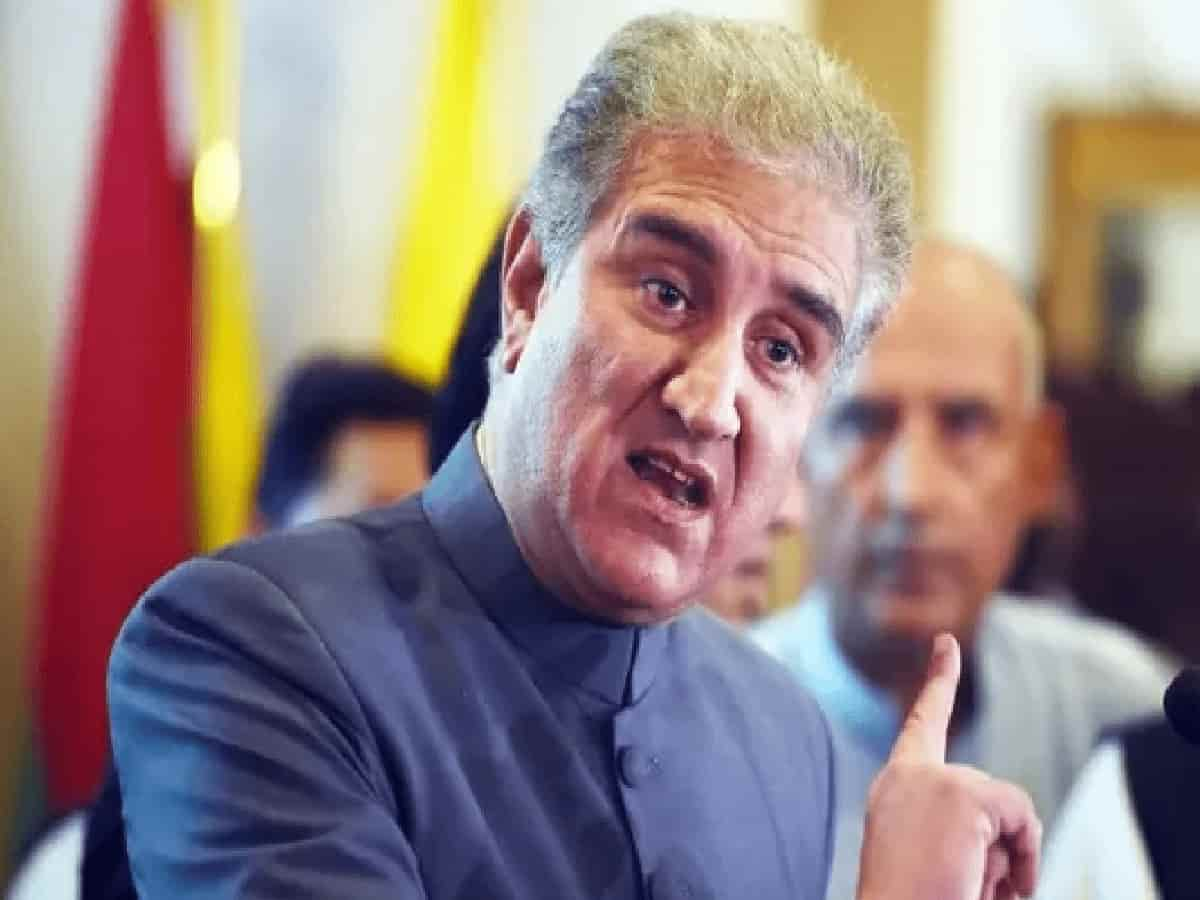
Shah Mahmood Qureshi Faints in Jail, Rushed to Hospital
Pakistan’s political landscape faced fresh distress on Tuesday after senior statesman and Pakistan Tehreek-e-Insaf (PTI) vice-chairman Shah Mahmood Qureshi collapsed inside his prison barrack at Central Jail Kot Lakhpat in Lahore. The 70-year-old former foreign minister experienced a sudden dizzy spell while walking inside his compound, causing him to fall abruptly onto the concrete floor. Prison staff confirmed that the fall caused visible physical trauma, leaving the veteran political leader with injuries to his hand, arm, and knee. Given his advancing age, extensive incarceration, and underlying medical history, prison superintendents initiated emergency protocols and rushed him under tight security escorts to the specialized Punjab Institute of Cardiology (PIC) for acute diagnostic evaluation.
The medical emergency marks an alarming development in the prolonged incarceration of Imran Khan’s principal political deputy, who has spent over two years behind bars facing multiple legal challenges stemming from the civil disturbances of May 9, 2023. The sudden deterioration in his physical condition prompted immediate legal interventions from his defense attorneys, who approached the relevant judicial forums in Lahore to ensure unhindered medical access. As specialized cardiologists run diagnostic assessments to determine the cause of his syncope and sudden loss of consciousness, human rights monitors and opposition organizers have renewed calls regarding the health, hygiene, and living standards provided to political prisoners held across the nation’s custodial system.
Medical Evaluation and 24-Hour Clinical Observation at Cardiology Institute
Upon his transfer to the Punjab Institute of Cardiology, doctors immediately admitted Qureshi into a dedicated care ward to run comprehensive cardiovascular and neurological screenings. According to his legal counsel, Advocate Rana Mudassir Umar, attending physicians placed the former minister under strict 24-hour clinical observation to stabilize his vital signs and investigate whether the syncopal episode stemmed from an acute cardiac condition, severe blood pressure fluctuations, or neurological fatigue. A multidisciplinary medical board is evaluating whether he requires prolonged hospitalization or can be transferred safely back to the prison medical wing following treatment.
Family members and legal representatives have voiced profound anxiety regarding the physical injuries sustained during the sudden collapse. Qureshi’s son, Zain Qureshi, who previously visited his father in jail, confirmed that the elder politician had described experiencing severe disorientation leading to his fall. In addition to localized contusions on his joints, the family noted that the impact caused dental trauma, resulting in a cracked tooth and persistent muscular soreness. His defense team has petitioned judicial authorities and prison administrators to authorize immediate diagnostic computed tomography (CT) scans to rule out internal head injuries or micro-trauma from the fall, insisting that comprehensive medical management must take precedence over custodial routines.
Protracted Detention Under May 9 Charges and Prolonged Judicial Delays
Shah Mahmood Qureshi has been held in continuous state custody since August 2023, entangled in an expansive web of legal proceedings initiated in the aftermath of the May 9 nationwide protests. Following the brief arrest of PTI founder Imran Khan in 2023, clashes erupted across major military and civilian installations, prompting the state to register dozens of criminal and anti-terrorism cases against prominent opposition leaders. While Qureshi was initially detained at the high-security Adiala Jail in Rawalpindi, administrative authorities subsequently relocated him to Kot Lakhpat Jail in Lahore to facilitate frequent appearances before local anti-terrorism courts.
The legal battle has been characterized by protracted procedural gridlock and competing judicial outcomes. In July 2024, an anti-terrorism court formally indicted Qureshi and fellow party leaders in high-profile cases concerning alleged arson and mob mobilization outside the Shadman police station in Lahore. While Qureshi secured formal acquittals in certain specific cases—including legal exoneration regarding the alleged burning of police vehicles in Mughalpura—prosecuting agencies introduced supplementary charges and maintained parallel First Information Reports, ensuring his continuous remand. Legal representatives emphasize that despite enduring dozens of bail proceedings, the bureaucratic withholding of court case diaries and police records has repeatedly delayed conclusive judicial verdicts, keeping the septuagenarian leader confined in unventilated barracks.
Daughter Meher Bano Condemns Incarceration and Demands Basic Rights
Reacting to her father’s medical collapse, Qureshi’s daughter, Meher Bano, issued a poignant public statement condemning the conditions of his long-running detention and describing the ongoing charges as baseless, politically motivated harassment. Meher Bano lamented that a seasoned public figure who maintained an unblemished public record was systematically subjected to punitive state confinement simply for refusing to surrender his political principles or disavow his party leadership. She noted that despite having proven his innocence across various forums and securing acquittals in prominent litigation, deliberate administrative stalling continues to deny him his fundamental liberty.
Meher Bano highlighted her father's four decades of continuous public service, reminding the judiciary and civil society that he served twice as Pakistan's Foreign Minister, representing the nation on global diplomatic stages, engaging with multilateral bodies, and upholding constitutional supremacy. She asserted that subjecting a 70-year-old leader with a history of heart ailments and recent gallbladder surgery to grueling custodial conditions violates basic human rights charters and the constitutional protections guaranteed by Pakistan’s laws. Calling upon the presiding trial judges to exercise their constitutional authority and grant bail, she appealed to the public to pray for his recovery and stand against arbitrary incarceration.
Political Repercussions as PTI Demands Comprehensive Medical Safeguards
The news of Qureshi’s hospital admission has sent shockwaves through the ranks of the Pakistan Tehreek-e-Insaf, which had already raised alarms regarding his deteriorating health during a recent Core Committee meeting. The party leadership issued a formal demand directing the federal government, the Punjab provincial administration, and prison authorities to provide unconditional access to personal physicians and state-of-the-art medical testing. Opposition lawmakers pointed out that Qureshi’s emergency hospital transfer closely followed similar custodial health alerts regarding party founder Imran Khan, highlighting a troubling pattern of medical neglect toward incarcerated political opponents.
The episode has intensified scrutiny on the treatment of senior opposition figures, underscoring the deep polarization that continues to paralyze Pakistan’s governance. As senior medical specialists at the Punjab Institute of Cardiology monitor Qureshi’s cardiac parameters and complete clinical diagnostics, political observers note that his health status carries profound implications for the political stability of the country. The forthcoming medical assessment will not only determine whether the former foreign minister remains in hospital care or returns to his cell, but will also put Pakistan’s judicial and human rights mechanisms to an urgent test regarding the preservation of prisoner health and institutional dignity.




