







One Dead, Two Critically Injured After Robinson R44 Plunges into Biscayne Bay
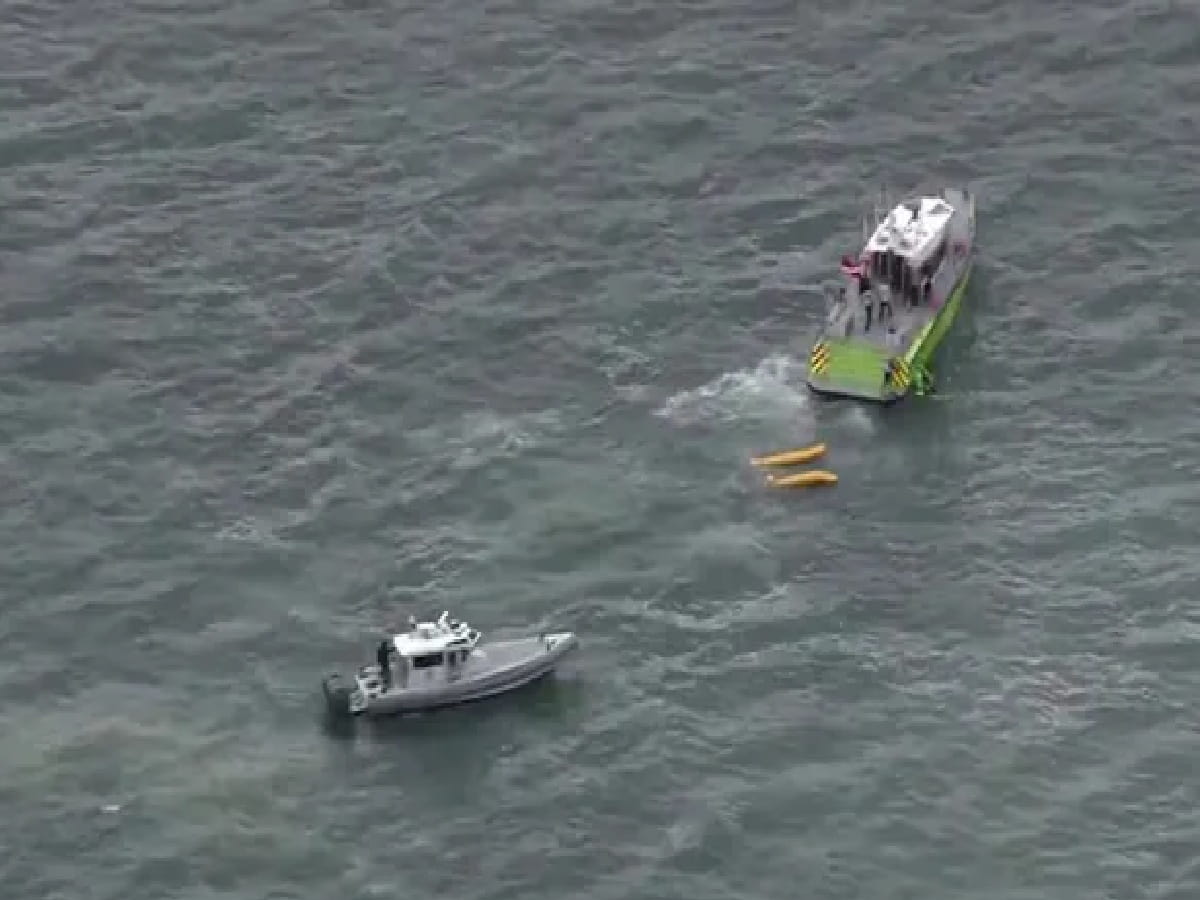
A tragic aviation accident off the coast of South Florida claimed one life and left two others seriously injured on Wednesday, November 4, 2026, when a Robinson R44 II light helicopter crashed into the waters of Biscayne Bay near Key Biscayne. According to emergency responders and the Miami-Dade Sheriff’s Office, the aircraft went down late in the morning near Bill Baggs Cape Florida State Park while operating on a commercial aerial filming flight to capture footage of watercraft below. First responders discovered the downed aircraft overturned in the bay with its yellow emergency pontoon floats deployed along its skids, triggering an immediate multi-agency water rescue operation involving maritime patrol officers, the United States Coast Guard, and federal agents from U.S. Customs and Border Protection (CBP).
Daring Water Rescue and Immediate Trauma Care: Local Good Samaritan Aids Responders
As marine patrol vessels arrived at the crash coordinates, officers observed a local boater already administering critical initial aid to an injured occupant in the open water. Fire rescue crews and emergency medical technicians initiated advanced resuscitation procedures on the critically injured individual at the scene, but despite sustained efforts, the victim was pronounced dead. Federal agents from Customs and Border Protection successfully extracted the other two surviving passengers from the bay, transferring them directly to shore units for emergency transit to a regional trauma center. Miami-Dade Sheriff Rosie Cordero-Stutz confirmed that while both surviving occupants sustained severe injuries requiring intensive medical intervention, they remain stabilized in specialized care as administrative teams coordinate with diplomatic and family networks to complete next-of-kin notifications before publicly releasing their identities.
Submerged Inverted Airframe and Federal Inquiries: Probing Weather and Mechanical Factors
Federal transportation authorities, alongside local forensic investigators, have initiated an in-depth inquiry into the sequence of events that led the single-engine aircraft to lose altitude and impact the water surface. While coastal portions of South Florida had experienced heavy bands of intermittent rainfall over preceding days, aviation specialists noted that it remains premature to determine whether adverse meteorological conditions, low-level atmospheric turbulence, or internal mechanical failure contributed to the fatal descent. Maritime recovery teams have begun securing the inverted airframe to preserve flight instruments, rotor components, and communication telemetry for comprehensive evaluation by the National Transportation Safety Board (NTSB) and the Federal Aviation Administration (FAA) to ascertain the exact cause of the disaster.




