







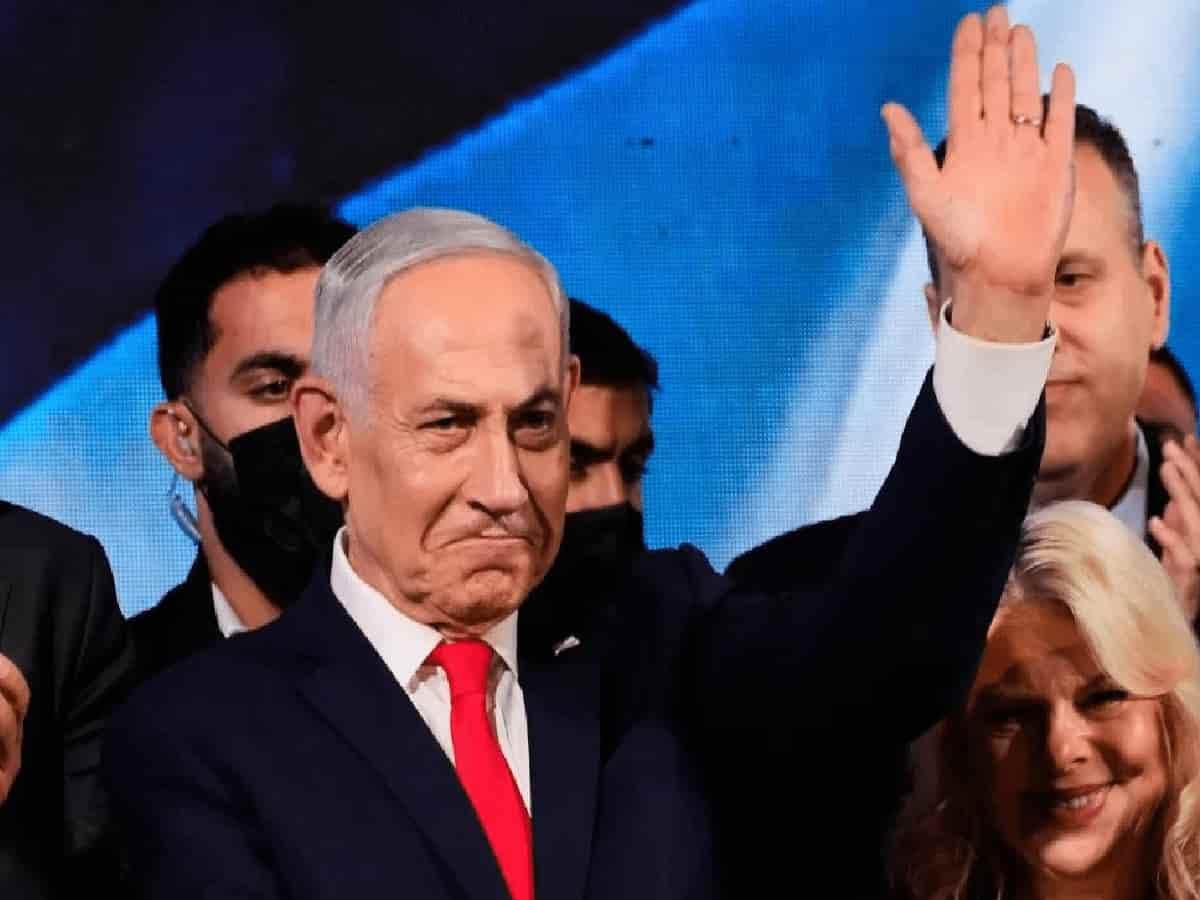
Netanyahu Slams Eisenkot Over Coalition with Arab Parties
A fierce political conflict has erupted across Jerusalem’s corridors of power as Israeli Prime Minister Benjamin Netanyahu launched a blistering verbal assault against his primary rival, Gadi Eisenkot, over negotiations to form an alternative administration supported by Arab-majority parties. Taking to social media platform X, the Likud leader branded the prospective alliance a "dangerous government," sharply condemning the inclusion of Ra'am and the Joint List. In a post that underscored the rising friction in Israeli domestic politics, Netanyahu wrote, "Shame! It is forbidden to form a dangerous government with the terror supporters of Ra'am and the Joint List!" The remarks reflect mounting frustration within the right-wing camp as the outgoing premier fights to retain power in the aftermath of an inconclusive national election.
The confrontation comes at a critical juncture following the October 27 national ballot, which produced an intensely fractured 120-member Knesset. Neither the traditional right-wing religious bloc led by Netanyahu nor the centrist and liberal opposition managed to capture an outright 61-seat legislative majority on their own. The resulting deadlock has left both factions scrambling to secure external endorsements and forge unlikely partnerships. By choosing to publicly target the ideological legitimacy of Eisenkot’s outreach to Arab parliamentarians, Netanyahu is seeking to rally nationalist sentiment and exert intense pressure on right-leaning figures within the opposition bloc to abandon cross-aisle cooperation.
How Eisenkot Clinched the Mandate Despite Likud's Lead in Seat Count
While Netanyahu’s Likud-led faction emerged from the election with a larger single bloc of 53 seats compared to the 48 seats secured by Eisenkot’s Yashar alliance, the parliamentary arithmetic shifted dramatically during formal consultations with President Isaac Herzog. Under Israel’s constitutional framework, the presidential mandate to assemble a cabinet is not automatically conferred upon the leader of the single largest party; rather, it is entrusted to the lawmaker who commands the broadest threshold of formal recommendations from newly sworn-in members of parliament. In a strategic maneuver that caught Likud strategists off balance, Eisenkot consolidated recommendations representing 67 lawmakers, comfortably outstripping the 46 endorsements submitted on behalf of Netanyahu.
The decisive factor in Eisenkot’s commanding recommendation tally was the unified backing of Israel's Arab political factions. Ra'am, the United Arab List, contributed eight crucial endorsements, while the Joint List added another eleven, delivering an indispensable 19-seat bloc to the opposition leader's column. This coordinated mobilization allowed President Herzog to officially task Eisenkot with heading government-building efforts on Sunday, November 8. Following the formal commissioning at the President’s Residence in Jerusalem, Eisenkot’s negotiating teams immediately launched round-the-clock discussions to translate these recommendations into binding coalition agreements capable of surviving a formal confidence vote on the Knesset floor.
Statutory Clock Ticking: The 28-Day Deadline and Extension Windows
The mandate places immense operational pressure on the Yashar leadership, which must navigate complex policy compromises under strict statutory time limits. According to legal frameworks outlined in national publications including Haaretz, Eisenkot has been granted an initial constitutional window of 28 days to finalize his cabinet roster, establish basic policy guidelines, and present his administration to the Knesset. This statutory timeline establishes a critical deadline of December 6, forcing negotiators to bridge deep ideological divides on fiscal policy, judicial reforms, and security doctrine within a month.
If the Yashar-led negotiating team demonstrates measurable progress toward a viable governing pact but requires additional time to finalize legal texts or ministerial portfolios, the Basic Law allows President Herzog to grant an extension of up to 14 days. Such an extension would push the final deadline to December 20. However, if Eisenkot fails to present a sworn government by the expiration of his mandate, the president holds the constitutional authority to either reassign the mandate to another candidate—most likely giving Netanyahu a second chance—or refer the decision directly to the Knesset floor, which could trigger an unprecedented round of snap elections.
Dissecting the Knesset Numbers: Unity Bloc vs. Divided Right
The political calculus driving the 67-seat recommendation slate for Eisenkot reveals an ideologically diverse coalition. The core of his endorsement pool consists of 48 seats belonging to the Jewish-led opposition bloc, encompassing the centrist Yashar faction, Together, The Democrats, and Avigdor Lieberman’s right-wing secular party, Yisrael Beiteinu. Bridging the gap from 48 to a supermajority of 67 required the full alignment of Ra'am’s eight lawmakers and the Joint List’s eleven members. This broad coalition reflects a shared desire among disparate political forces to bring an end to Netanyahu’s long-standing dominance over Israeli governance, even if their underlying visions for the state remain deeply divergent.
Conversely, Netanyahu’s tally of 46 recommendations exposed internal fissures within his traditional political base. While his right-wing electoral alliance captured 53 seats at the ballot box, seven crucial lawmakers from the ultra-Orthodox United Torah Judaism (UTJ) party withheld their formal recommendations during consultations at the President's Residence. This deliberate abstention prevented Netanyahu from presenting a unified bloc to the head of state, handing Eisenkot the quantitative advantage required to claim the initial mandate. While Likud organizers are actively working to reconcile with UTJ leadership and peel away conservative members from Eisenkot's coalition, the current arithmetic keeps the initiative squarely in the opposition's hands.
The Road Ahead: Fragile Alliances and the Battle for Knesset Approval
Translating 67 disparate recommendations into an enduring parliamentary government represents a formidable governing challenge. Eisenkot must balance the socio-economic and civil demands of Arab factions—such as increased municipal budgets for Arab communities, community policing enhancements, and freezes on discriminatory planning laws—with the hawkish security principles championed by conservative partners like Avigdor Lieberman. Any perceived overreach in concessions to Ra'am or the Joint List could fracture the delicate trust within the Jewish opposition factions, providing Netanyahu and Likud with the leverage needed to derail the coalition before a confidence vote is called.
As negotiation teams convene behind closed doors in Tel Aviv and Jerusalem, Netanyahu’s public attacks signal that the right-wing opposition will wage an aggressive public campaign against the proposed administration. Likud leaders plan to frame every legislative compromise made by Eisenkot as an erosion of national security, hoping that sustained public pressure will cause individual right-leaning lawmakers to defect. With the 28-day countdown running and the future of Israeli governance hanging in the balance, the coming weeks will determine whether Eisenkot can successfully inaugurate a historic, cross-sector coalition or if the country will remain locked in political paralysis.




