







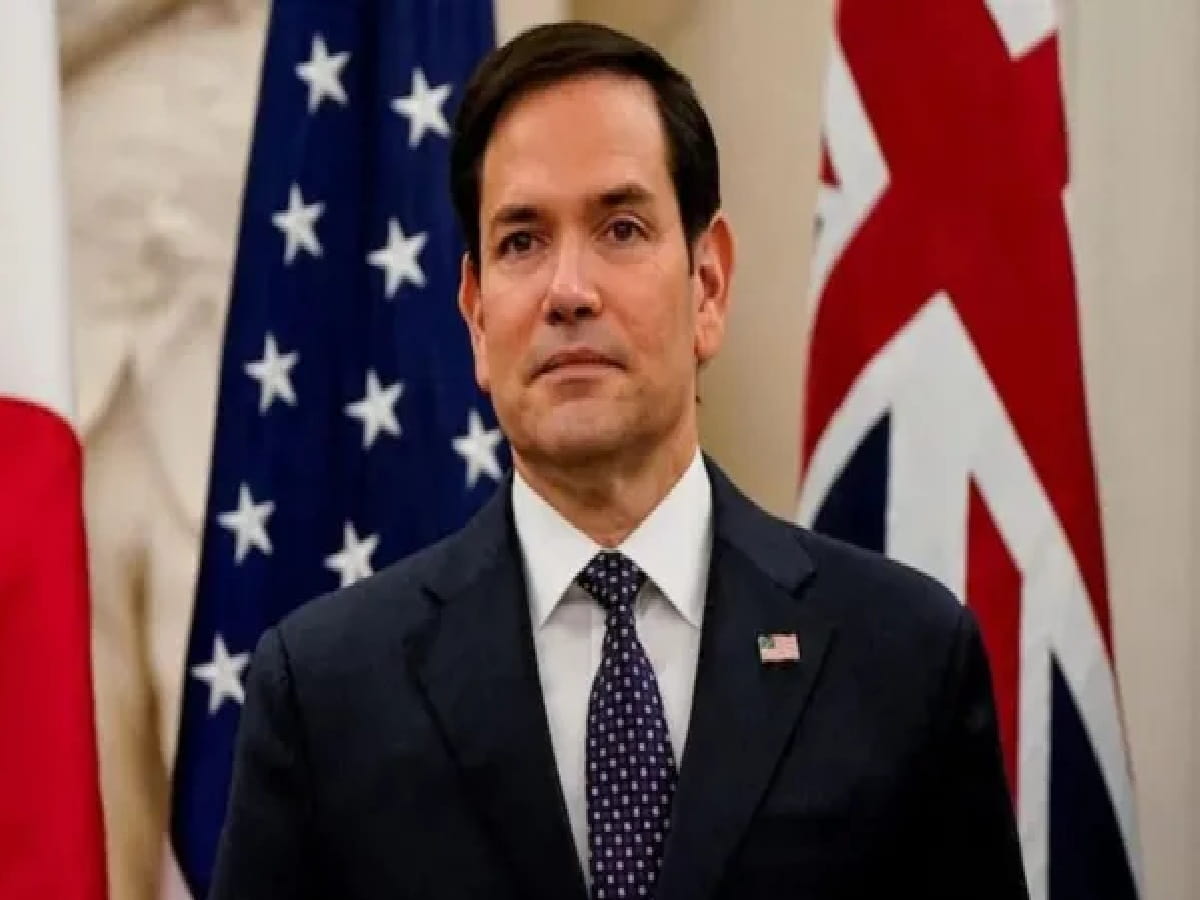
Marco Rubio Rejects Resignation Rumors, Vows to Stay in Cabinet
United States Secretary of State Marco Rubio has categorically rejected widespread media speculation suggesting he plans to step down from President Donald Trump's administration in the wake of the Republican Party's sweeping losses in the 2026 midterm elections. Speaking directly from his White House office in an interview with The New York Times, Rubio reaffirmed his commitment to the administration, making it emphatically clear that remaining at the helm of American foreign policy through the remainder of Trump's term has always been his intention. The top diplomat's direct intervention comes after several high-profile reports claimed he was actively weighing an exit from the federal cabinet to distance himself from emerging political fallout and begin laying the groundwork for a prospective 2028 presidential campaign. Dismissing the flurry of resignation reports as baseless fabrications, Rubio moved to quiet talk of a post-election shakeup, asserting that he remains fully focused on executing his diplomatic and national security duties.
Rebuffing Rumors: Inside Marco Rubio’s Pushback on Resignation Claims
Addressing the media chatter surrounding his future, Rubio expressed bewilderment at the origin of the rumors, reiterating his dedication to the administration's foreign policy goals. "To be honest with you, I don't know where these things come from," Rubio remarked during the interview, emphasizing that working alongside President Trump until the end of his second administration has consistently guided his plans. The Secretary of State also laughed off the idea that he was looking to vacate his desk, referencing his dual responsibilities within the White House’s foreign policy framework. "I love the work I'm doing," he noted, adding, "And plus I always laugh when they say he's going to leave his job. I go, 'Which one?'"
The pushback from Rubio followed a report published by Bloomberg News indicating that the Secretary of State had engaged in preliminary discussions with senior West Wing officials regarding a potential resignation following the midterms. According to that report, while Rubio had not finalized an exit strategy, conversations were underway before colleagues urged him to remain in his post. However, senior diplomatic and communications officials quickly moved to knock down the narrative. Assistant Secretary of State for Global Public Affairs Dylan Johnson characterized the Bloomberg dispatch as "totally made up," clarifying that the Secretary had never initiated conversations about departing his post and would continue to serve proudly. Concurrently, White House spokesperson Davis Ingle issued a sharp rebuke against reports from international outlets, including The Independent, accusing commentators of manufacturing unsubstantiated conspiracy theories to undermine the administration's unity.
Midterm Aftershocks: How Electoral Defeat Sparked Exit Speculation
The speculation surrounding Rubio’s tenure erupted immediately following the November 3, 2026, midterm elections, in which the Democratic Party reclaimed legislative majorities in both the US House of Representatives and the US Senate. The midterm outcome dealt a significant legislative setback to the Republican administration, prompting intense analysis in Washington regarding potential cabinet turnover. Broad political consensus suggested that the electoral swing was heavily driven by voter frustration over persistent economic inflation, rising domestic living costs, and the human and financial toll of the protracted military conflict involving Iran, which entered its ninth month.
In the immediate wake of the election results, reports surfaced from British and Republican sources suggesting that several senior administration officials were preparing to depart to preserve their political futures. Multiple outlets placed Rubio on "resignation watch," arguing that as the chief architect of American diplomacy during the Middle Eastern conflict, remaining tied to wartime policies could carry substantial political risks. Pundits argued that an early exit would give Rubio room to recalibrate his public standing outside the daily demands of executive governance. However, Rubio's public comments have pushed back against that narrative, signaling that the administration intends to maintain its foreign policy leadership despite the altered balance of power on Capitol Hill.
The 2028 Presidential Question: Shutting Down Primary Talk and Backing Vance
Much of the political intrigue surrounding Rubio's standing stems from his prominence within conservative politics and his status as a viable contender for the 2028 Republican presidential nomination. Having previously served as a United States Senator from Florida before taking the helm at the State Department and assuming responsibilities as National Security Advisor, Rubio possesses deep national name recognition and extensive foreign policy credentials. Observers had suggested that an early departure from Foggy Bottom would enable him to build a national campaign organization, fundraise independently, and avoid the statutory restrictions of the Hatch Act, which prohibits executive branch officials from engaging in partisan campaign activities while in office.
When pressed on whether he is positioning himself for a future presidential run, Rubio shut down questions regarding his political horizon. "I literally will not talk about 2028 anymore," Rubio said. "I just won't do it". His refusal to entertain campaign questions aligns with his previous public statements regarding Vice President JD Vance. Rubio has stated that should Vance choose to seek the presidency in 2028, he would give him his full backing, publicly describing the Vice President as a close personal friend and natural standard-bearer for the party’s working-class agenda. By tamping down rumors of an internal rivalry, Rubio sought to dispel perceptions of division within the administration's leadership ranks.
Steering Global Diplomacy: Institutional Continuity Amid Global Flashpoints
Rubio's decision to publicly commit to serving out his term provides critical institutional stability for American foreign policy during a period of international friction. The State Department continues to navigate major global flashpoints, including ongoing security challenges in the Persian Gulf, high-stakes trade realignments with major Asian economies, and tense diplomatic discussions over European defense commitments. A sudden leadership transition at the Department of State would have introduced significant uncertainty among international allies and strategic adversaries alike.
By combining the responsibilities of Secretary of State and National Security Advisor, Rubio holds a central position in shaping and executing the White House's foreign relations strategy. His continued presence ensures that the administration maintains continuity in ongoing diplomatic negotiations, economic sanctions programs, and regional security arrangements. As Washington adjusts to a divided Congress, Rubio's reaffirmed mandate signals that the administration intends to pursue its foreign policy objectives through the end of the presidential term without changing course at Foggy Bottom.




