







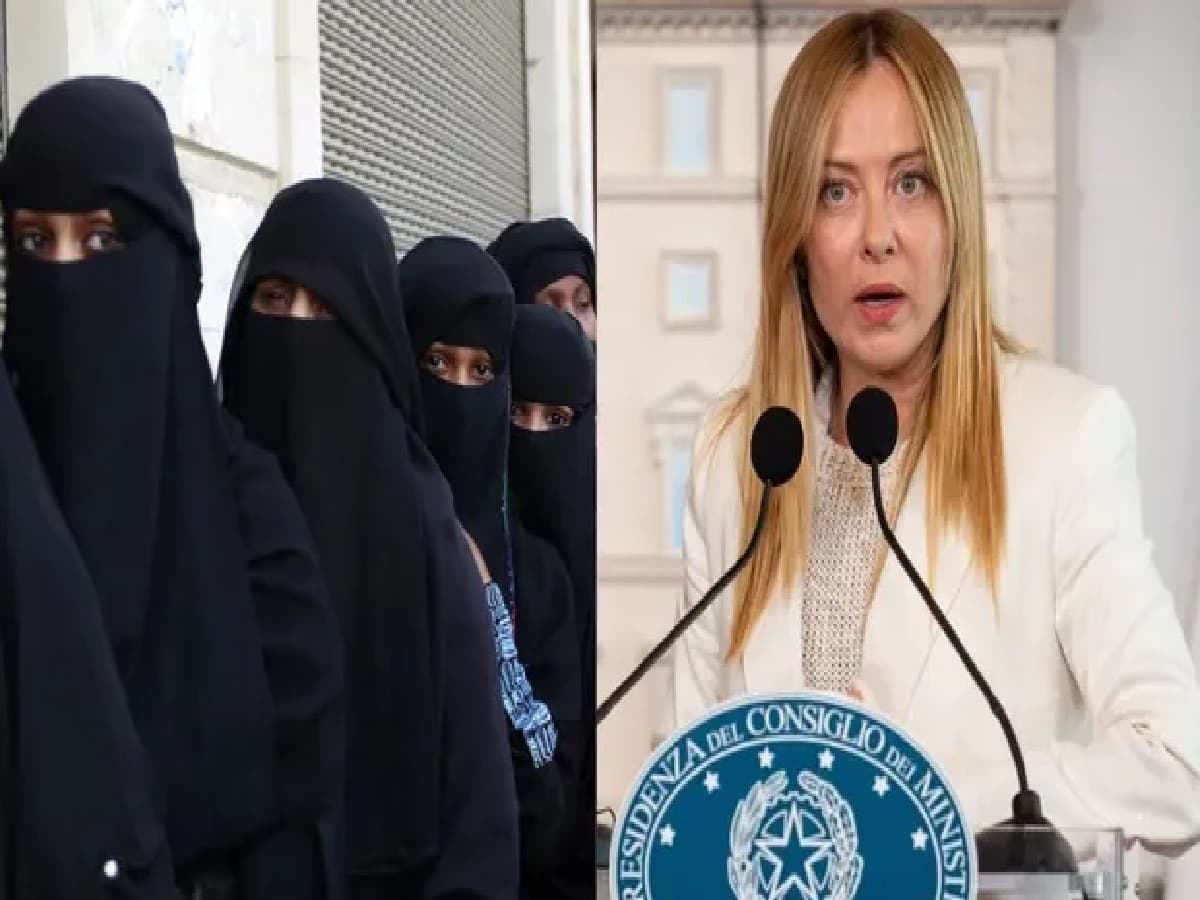
Italy Bans Burqas, Niqabs in Schools; Caps Foreign Pupils at 30%
Italy's Parliament has given final legislative approval to sweeping education reforms that prohibit face-covering garments—specifically burqas and niqabs—inside schools and place a 30 percent cap on foreign-born students lacking sufficient Italian proficiency in entry-level classrooms. Cleared by the Chamber of Deputies in Rome with 142 votes in favor, 112 against, and four abstentions, the measure—known as the Decreto Scuola—also introduces Italian language classes for foreign parents whose children struggle to adapt to the national school system.
Parliamentary Passage and Scope of Decree-Law 170
The legislation converts Decree-Law No. 170 of September 30, 2026 into permanent law, following its earlier passage by the Senate on November 20. Framed by Prime Minister Giorgia Meloni's right-wing coalition government as an integration and school-organization package, the law pairs classroom demographic and dress rules with broader administrative provisions supporting the 2026–27 academic calendar and initiatives tied to Italy's National Recovery and Resilience Plan (PNRR).
During the final vote in the lower house, opposition lawmakers staged a visible protest inside the chamber, holding up placards reading, "At school nobody is a foreigner". Opposition parties condemned the reforms as exclusionary and stigmatizing toward migrant families and Muslim students, setting off an intense national debate over secularism, religious expression, and integration in Italian public education.
What the New Italian School Rules Mandate
Under the approved statute, three primary restrictions and integration requirements govern school enrollment and classroom conduct across Italy:
-
Ban on face-covering garments: Students are prohibited from covering or concealing their faces in ways that prevent identification during lessons and school activities, effectively barring burqas and niqabs. The law does not prohibit the hijab, which leaves the face visible, and permits exemptions for certified medical reasons. Violations carry administrative fines ranging from €200 to €1,000, levied on parents or legal guardians when the pupil is a minor.
-
30 percent classroom cap: Beginning in the 2027–28 academic year, first-year classes across school levels face a 30 percent ceiling on non-Italian students who were not born in Italy and lack adequate knowledge of the Italian language. Pupils who demonstrate sufficient command of Italian—or who have completed at least two years of Italian preschool or three years in Italy's school system—are exempt from the quota.
-
Parent language courses: Foreign parents of students experiencing difficulty integrating into the Italian education system are referred to mandatory Italian language instruction, with similar administrative fines of €200 to €1,000 applicable for non-compliance unless exempted due to age, illness, or disability.
Revisiting Italy's 2010 Classroom Cap and Meloni's Rationale
Setting a 30 percent threshold on non-Italian pupils is not entirely unprecedented in Italian education policy. In 2010, then-Education Minister Mariastella Gelmini issued a ministerial circular introducing a similar 30 percent guideline. In practice, however, local demographic concentrations and limited administrative flexibility made that earlier circular difficult to enforce, particularly in densely populated urban neighborhoods and industrial suburbs.
Prime Minister Giorgia Meloni had previewed the stricter statutory framework earlier this year, announcing plans to ban burqas and niqabs in classrooms, enforce enrollment caps, and require parental language training. Speaking at a rally hosted by Gioventù Nazionale, the youth wing of her Brothers of Italy party, Meloni argued that classrooms must remain anchored in shared language and cultural integration, stating that Italian children should never feel marginalized or isolated by becoming a minority inside their own schools. Education Minister Giuseppe Valditara echoed that position following the Chamber of Deputies vote, asserting that the law strengthens every student's right to educational success through genuine integration.




