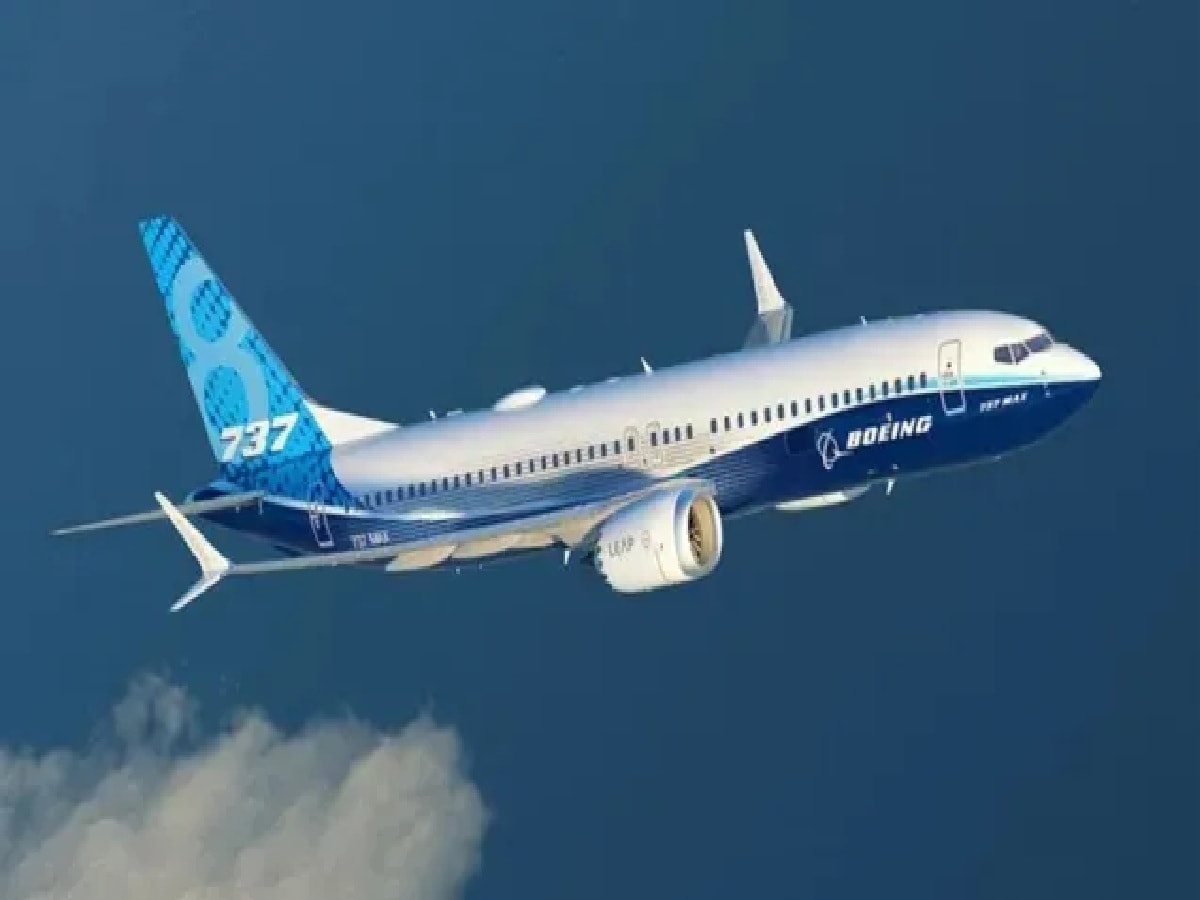
FAA Clears Boeing 737 MAX 10 Software Bug: No Flight Safety Threat
In a critical regulatory breakthrough for aerospace giant Boeing, the United States Federal Aviation Administration (FAA) has officially cleared a software anomaly affecting flight management computers on the 737 MAX aircraft family. Following an exhaustive technical review, the federal aviation watchdog affirmed that the identified software defect poses no flight safety threat to aircraft operations or passenger safety. The pivotal ruling removes a major regulatory roadblock that had loomed over the commercial certification timetable of Boeing's largest single-aisle variant, the 737 MAX 10, which has encountered multi-year production and certification delays.
Safety Review Board Findings: Full Pilot Control Retained During Unusual Approaches
The determination was finalized after the FAA’s Corrective Action Review Board convened a dedicated technical assessment in Seattle on October 1 to scrutinize the flight computer behavior. Evaluating potential risks during complex approach procedures, the expert panel determined that flight crews retain complete aerodynamic and manual control of the aircraft at all times, supported by clear, unambiguous cockpit warning indications if the glitch manifests. Aviation analysts noted that while the flaw might temporarily prevent automated flight guidance from engaging during rare, non-standard landing profiles or a sudden go-around, flight crews are fully equipped to manage the aircraft manually, resulting in only a minor, manageable increase in pilot workload.
WestJet Test Flight Detection: How the Rare VNAV Anomaly Was Uncovered
The technical glitch was initially identified by Canadian carrier WestJet roughly two years ago during entry-into-service validation flights. During high-altitude operational trials, flight crews observed that the aircraft's vertical navigation (VNAV) mode—which automates altitude climbs, descents, and vertical glide path profiles—unexpectedly disengaged. In internal crew communications, WestJet emphasized that the issue had never manifested during routine commercial passenger service. The disengagement condition only emerges under an extremely rare, isolated sequence of operational inputs and specific FMC software configurations, preventing widespread disruptions across airline fleets.
Fast-Tracking Official Certification: FAA Airworthiness Bulletin and Boeing Updates
With the safety evaluation complete, Boeing confirmed that its software engineering teams are actively finalizing the next planned software update while collaborating with airline partners on operational workarounds to allow pilots to promptly restore vertical navigation guidance if needed. The FAA will shortly distribute a Special Airworthiness Information Bulletin to all commercial carriers operating in the United States and international civil aviation counterparts to provide standardized operating guidance. Having secured this critical safety clearance, Boeing remains on track to secure formal type certification for the 737 MAX 10 later this month, clearing the path toward scheduled commercial airline deliveries.