







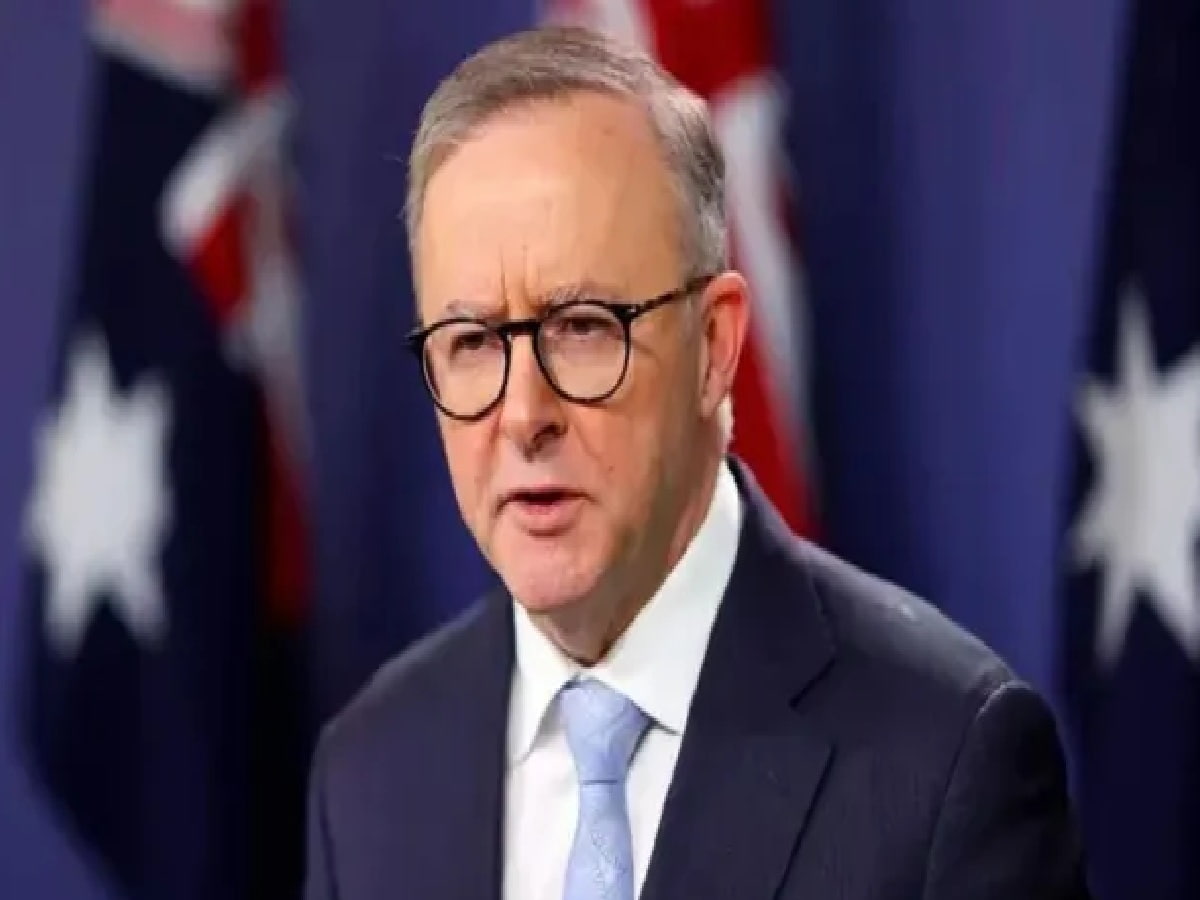
Australia Passes Strict Online Safety Law With 5% Global Revenue Fines
Australia has cemented its position as one of the world's toughest regulators of global technology platforms after the Australian Parliament passed sweeping new online safety legislation exposing Big Tech giants to multibillion-dollar fines of up to 5 percent of their annual global revenue. Highlighted across international policy, technology, and legal desks on Thursday, November 26, 2026, the Online Safety Amendment (Digital Duty of Care) Bill 2026 cleared the Senate by 36 votes to 23 following a pivotal legislative deal between Prime Minister Anthony Albanese's center-left Labor government and the Australian Greens, before winning final approval in the House of Representatives by a decisive 97-to-43 margin on Wednesday, November 25. Modeled on proactive risk-prevention frameworks similar to the European Union's Digital Services Act (2022) and the United Kingdom's Online Safety Act (2023), the Australian statute amends the Online Safety Act 2021 to place a legally enforceable "duty of care" across social media networks, mobile apps, video games, and artificial intelligence (AI) chatbots—obligating companies to identify and mitigate foreseeable harm before Australian users are exposed. Alongside steeper penalties—raised from the government's original A$109 million ceiling after Greens negotiations—the amended law gives everyday Australians the right to directly sue tech platforms in court, empowers users to opt out of algorithmic feeds, expands eSafety Commissioner powers against "nudify" deepfake tools, and classifies addictive design features as specific statutory risks. Yet the historic vote has also ignited fierce diplomatic and political pushback from US Ambassador to Australia David Brat and Australian Opposition Leader Angus Taylor, who warn that vague definitions of online harm backed by 5 percent global revenue penalties could trigger widespread censorship of lawful speech across Canberra, Melbourne, Sydney, Washington, New Delhi, and Bengaluru.
Australia's Digital Duty of Care Act 2026: Fines, Rights & Global Clash
To bring together the exact parliamentary vote tallies, penalty formula, and new consumer rights enacted under Australia's Digital Duty of Care legislation, how Prime Minister Anthony Albanese, Communications Minister Anika Wells, and Greens Senator Sarah Hanson-Young framed the reform, and why US Ambassador David Brat and Liberal Opposition Leader Angus Taylor opposed the law, the tables below organize all verified details:
Key Provisions of Australia's Digital Duty of Care Law (Passed November 2026)
| Regulatory Pillar | Verified Legislative Details | Practical Impact on Big Tech & Users |
| Parliamentary Passage & Timeline | Passed the Senate (36–23) and House of Representatives (97–43) on November 25, 2026 following a Labor–Greens agreement; takes effect after a 12-month transition period. | Replaces a fragmented patchwork of voluntary industry codes with a single, legally binding preventive duty of care. |
| Maximum Financial Penalties | Up to 5 percent of a tech company's global turnover/revenue or A$109.2 million, whichever is greater (upgraded from the initial A$109 million cap via Greens amendments). | Exposes multi-hundred-billion-dollar US and global tech firms to multi-billion-dollar statutory liability for systemic safety failures. |
| Covered Digital Services | Applies across social media platforms, messaging/consumer apps, online games, and AI chatbots (with ministerial rule-making power to exempt low-risk small businesses). | Brings generative AI companions and gaming ecosystems directly inside Australia's core online safety perimeter. |
| New User Rights & eSafety Powers | Grants individuals a private right of civil action to sue platforms in Australian courts; establishes a three-tier complaint pathway leading to an independent tech ombudsman; mandates algorithmic feed opt-outs; targets addictive design features; and empowers the eSafety Commissioner to remove "nudify" apps and deepfake content. | Shifts regulatory enforcement from reactive takedowns after harm occurs to pre-emptive product-design accountability. |
Political & Diplomatic Reactions Across Canberra and Washington
| Leader / Official | Position on Digital Duty of Care Act | Core Quote or Policy Stance |
| Anthony Albanese (Prime Minister of Australia) | Strongly Supports — Hailed passage as a victory for Australian children and youth. | Told Parliament that while early digital dangers went unforeseen when the internet was young, today's mature digital threats can be identified and fixed to safeguard children and society. |
| Anika Wells (Minister for Communications) & Sarah Hanson-Young (Greens Chief Negotiator) | Co-Architects of Senate Deal — Framed the bill as placing public safety ahead of Big Tech profits. | Wells noted, "If you build it, you are responsible for its risks," while Hanson-Young declared that Australians' safety and well-being had finally been put before Big Tech profits—warning platforms to make services safe or face court. |
| Angus Taylor (Australian Opposition Leader, Liberal Party) | Strongly Opposes — Condemned the legislation as authoritarian/dictatorial. | Pledged that if the conservative Liberal Party wins the 2028 federal election, his government will repeal the law. |
| David Brat (US Ambassador to Australia) | Formal Diplomatic Objection — Warned of disproportionate burdens on US tech firms and speech risks. | Stated that "vaguely defined 'harms,' backed by penalties of up to 5% of global revenue, will push platforms to censor lawful speech" and disproportionately burden American companies relative to competitors. |
Why Global Tech Policymakers in India, Europe & the US Are Watching Closely
For technology regulators, legal analysts, and platform operators across New Delhi, Bengaluru, Mumbai, Brussels, London, and Silicon Valley, Australia's Digital Duty of Care Act—coming closely on the heels of Australia's under-16 social media restrictions—signals a decisive global shift toward product-level liability and algorithmic transparency. By pairing European-style global revenue fines with Australian court access for individual users and mandatory algorithm-off switches, Canberra has created a regulatory template likely to influence digital governance debates worldwide over the coming year.
What Happens Next During the 12-Month Implementation Window
Over the 12-month commencement window before full enforcement begins, Australia's Department of Communications and the eSafety Commissioner will finalize subordinate rules—including small-business exemptions, external dispute-resolution ombudsman mechanics, and risk-assessment standards—while global technology companies and Washington trade officials weigh compliance adjustments ahead of Australia's 2028 election cycle.




