







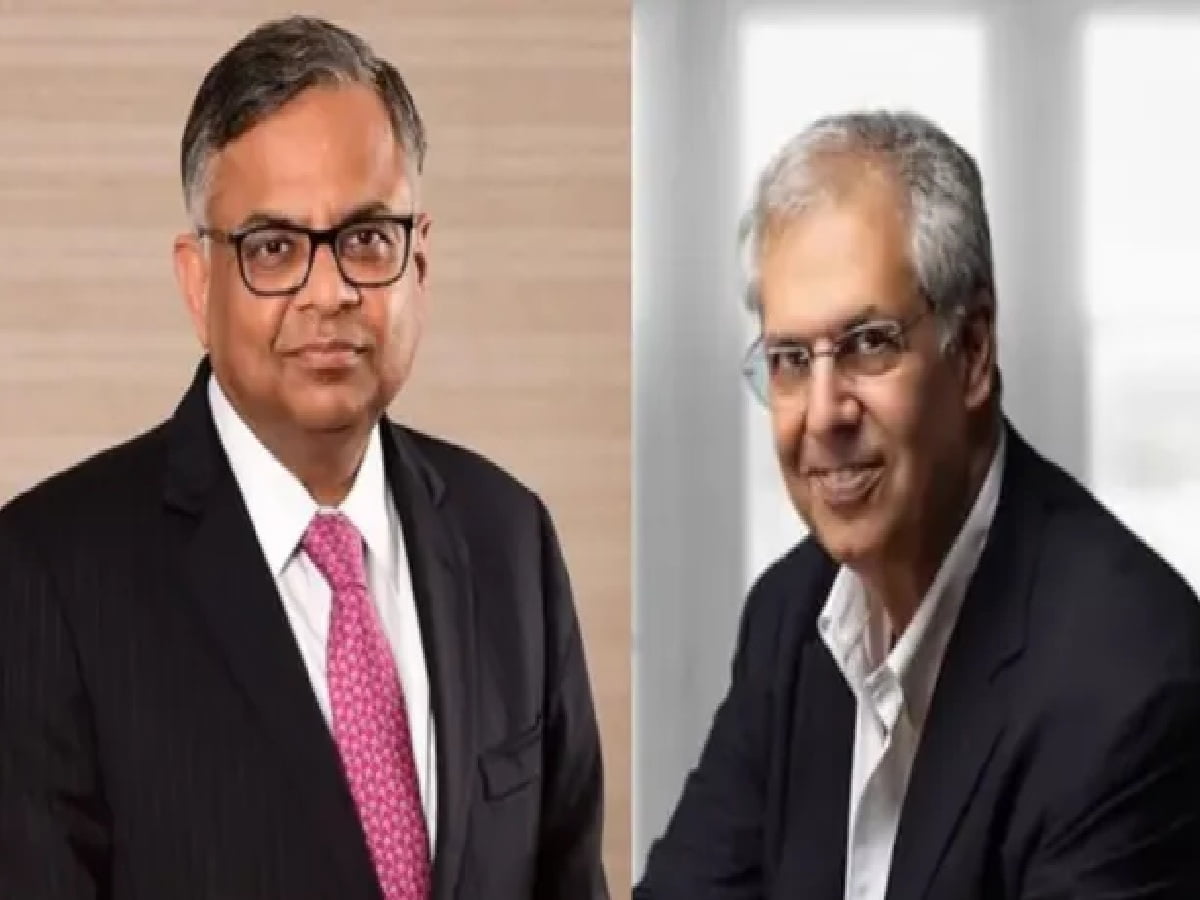
Tata Trusts Moves Bombay HC Against N Chandrasekaran's Third Term
One of the sharpest boardroom confrontations in modern Indian corporate history has officially spilled into the courtroom, as Noel Tata-backed Tata Trusts has moved the Bombay High Court to challenge the reappointment of N. Chandrasekaran as Executive Chairman of Tata Sons for a third five-year term set to commence in February 2027. Reported across business, legal, and market desks on Thursday, November 26, 2026, separate civil suits are being filed by the Sir Dorabji Tata Trust (SDTT) and the R.D. Tata Trust (RDTT)—the two flagship philanthropic trusts within the cluster holding roughly 66 percent equity in Tata Sons—against Tata Sons and six of its directors. At the heart of the litigation lies the disputed September 17, 2026 Tata Sons board meeting, where a resolution extending Chandrasekaran's tenure was passed using a casting vote by session chair Harish Manwani after the two Tata Trusts-nominated directors split down the middle—with Noel Tata voting against the reappointment and Venu Srinivasan voting in favor. Contending that relying on a casting vote directly contravenes Article 121 (and Article 104B) of Tata Sons' Articles of Association (AoA)—which mandates the affirmative support of the majority of Trust-nominated directors for key board decisions—the trusts have asked the Bombay High Court to declare the September 17 resolution invalid, restrain Tata Sons from acting upon it, bar the exercise of a casting vote when Trust nominee directors are divided, and award ₹65 crore in total damages (₹50 crore to SDTT and ₹15 crore to RDTT, along with 18 percent annual interest). Timed deliberately just days ahead of Tata Sons' next board meeting scheduled for Monday, November 30, 2026, the legal move signals a defining governance test for India's $165-billion-plus salt-to-software conglomerate across Mumbai, New Delhi, Bengaluru, Pune, Chennai, Kolkata, and Ahmedabad.
Tata Trusts vs Tata Sons in Bombay HC: Casting Vote Row & Key Stakes
To bring together the exact constitutional and corporate-governance dispute over Article 121 and Harish Manwani's September 17 casting vote, how the internal 3:2 vote inside Tata Trusts paved the way for Bombay High Court litigation, and why the upcoming November 30, 2026 Tata Sons board meeting makes urgent judicial intervention critical, the tables below organize all verified developments:
Anatomy of the Tata Trusts Legal Challenge (November 26, 2026)
| Case Parameter | Verified Details | Governance & Corporate Impact |
| Petitioners & Respondents | Sir Dorabji Tata Trust (SDTT) and R.D. Tata Trust (RDTT)—representing the Tata Trusts cluster that owns ~66% of Tata Sons—have initiated suits in the Bombay High Court against Tata Sons and six of its directors. | Pits the controlling philanthropic shareholder block directly against the holding company's board leadership for the first time since the 2016–17 Cyrus Mistry dispute. |
| Disputed September 17 Board Vote | At the September 17, 2026 board meeting considering N. Chandrasekaran's third five-year term (from February 2027), Trust-nominated directors split (Noel Tata voted against; Venu Srinivasan voted in favor), prompting meeting chair Harish Manwani to break the tie with a casting vote. | Raises a foundational question of Indian corporate law: can a chair's casting vote override a specific affirmative-vote requirement under a company's Articles of Association? |
| Core AoA Argument (Article 121) | Trusts contend that under Article 121 (read with Article 104B) of Tata Sons' AoA, major decisions—including appointing or reappointing the Executive Chairman—require the affirmative backing of the majority of Trust-nominated directors present. | Without consensus between both Trust nominees, the trusts argue the September 17 resolution lacked valid corporate authority and is a legal nullity. |
| Damages & Injunctive Relief Sought | Seeking a declaration invalidating the September 17 reappointment resolution, an injunction restraining implementation, a bar on using a casting vote to bypass divided Trust nominees at future meetings, and ₹65 crore in damages (₹50 crore for SDTT + ₹15 crore for RDTT with 18% annual interest). | Seeks both immediate preventive restraint before November 30 and financial accountability from the respondent directors. |
Internal Split Inside Tata Trusts & Timeline Leading to November 30
| Milestone / Vote | Key Actors & Outcome | Why It Matters |
| Internal Tata Trusts Circular Resolution (3:2 Vote) | SDTT authorized approaching the Bombay High Court via a 3:2 majority vote: Noel Tata, Neville Tata, and Bhaskar Bhat voted in favor, while Venu Srinivasan and Vijay Singh opposed the legal action. | Reveals sharp divergence even among senior trustees over taking an internal Tata Group dispute to public court. |
| Broader Strategic Friction (RBI NBFC & Listing Row) | Alongside leadership tenure, Tata Sons and Tata Trusts have navigated complex regulatory deadlines following the RBI's September 11, 2026 rejection of Tata Sons' deregistration plea as an upper-layer NBFC, with Tata Trusts pushing to keep Tata Sons privately held while minority shareholder Shapoorji Pallonji (SP) Group favors a public listing. | Underscores why control over boardroom voting mechanics at Tata Sons carries multi-billion-dollar strategic weight. |
| Upcoming Board Meeting: November 30, 2026 | Tata Sons' next board meeting is scheduled for Monday, November 30, 2026. Trusts fear critical agenda items could again be pushed through via casting vote if Trust nominees split. | Explains the urgency behind seeking immediate Bombay High Court intervention before Monday's meeting. |
Why Corporate Governance Experts Are Watching Article 121 Closely
Across Mumbai's Dalal Street, New Delhi, Bengaluru, Chennai, and corporate law circles nationwide, legal and governance specialists point out that the Bombay High Court's interpretation of Article 121 will reverberate far beyond the Tata Group. Because Tata Trusts relies on entrenched affirmative-voting rights in Tata Sons' Articles of Association to safeguard its philanthropic mandate without day-to-day operational interference, deciding whether a casting vote can bypass a 1–1 deadlock between two nominee directors will define the balance of power between majority institutional shareholders and independent/executive boards across Indian corporate jurisprudence.
What Investors, Employees & Market Watchers Should Track Next
Over the next four days leading into Monday, November 30, 2026, attention in Mumbai and across Indian financial markets will center on urgent listing and interim-stay arguments before the Bombay High Court, Tata Sons' formal legal response defending the validity of the September 17 board process, and whether both sides explore an eleventh-hour governance compromise before Monday's boardroom session convenes.




