







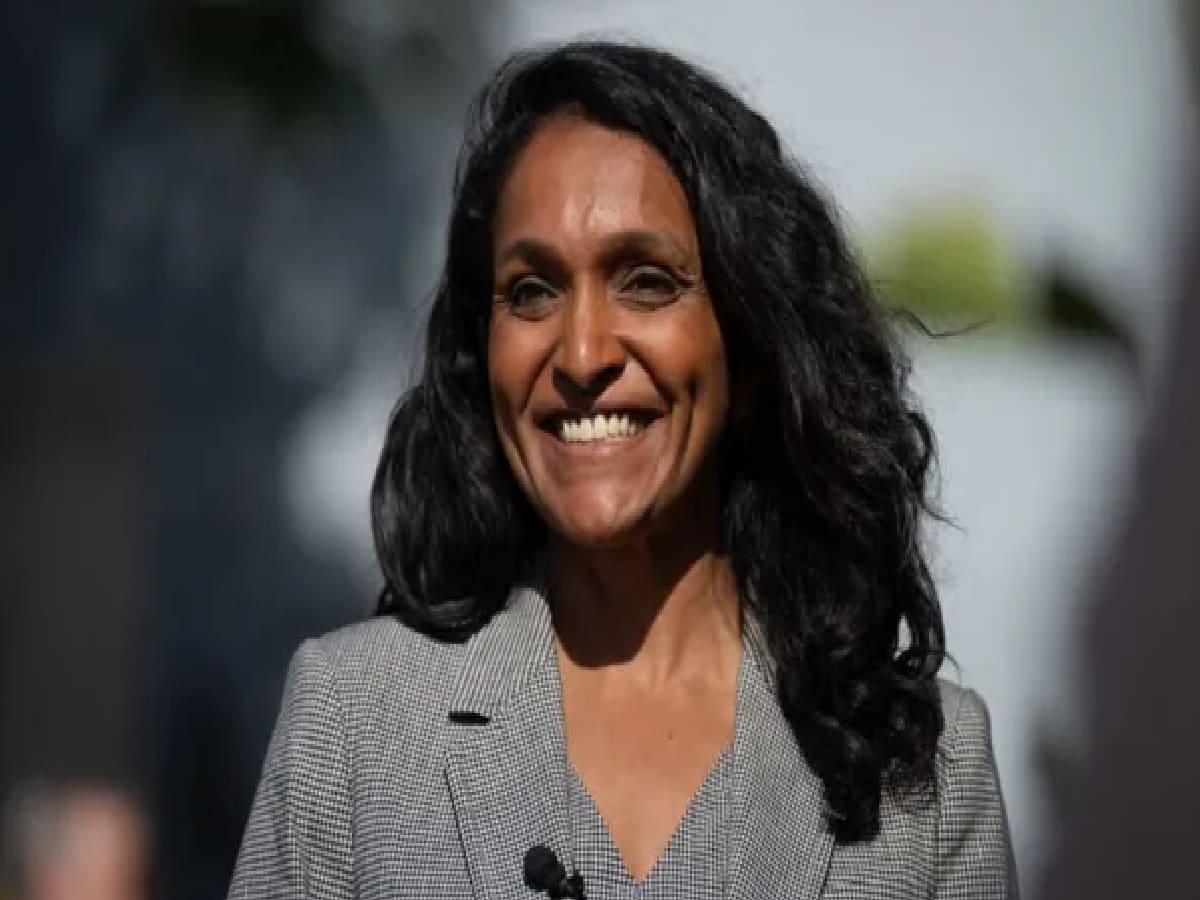
Alum Nithya Raman Unseats Karen Bass to Become Los Angeles Mayor
In a landmark political upset that marks a generational shift in American municipal governance, Indian-origin City Council member Nithya Raman has won the Los Angeles mayoral election, defeating incumbent Mayor Karen Bass. Raman, who had initially offered public support to Bass just weeks before entering the mayoral race in February, built on her progressive track record since first being elected to the Los Angeles City Council in 2020 to clinch the city's top executive post. The high-stakes mayoral battle evolved into a fierce ideological contest centered on divergent approaches to public safety, chronic homelessness, and affordable housing, transforming the municipal race into a national focal point for progressive urban policy and representation for the global Indian diaspora.
Kerala Roots to MIT and Harvard: The Civic Journey of Nithya Raman
Born in Kerala in 1981, Raman immigrated to the United States at the age of six and became a naturalized U.S. citizen at the age of 22, completing her undergraduate education at Harvard University before earning a master’s degree in urban planning from the Massachusetts Institute of Technology (MIT). Before stepping directly into electoral politics in California, Raman founded Transparent Chennai, an acclaimed urban research and civic data initiative that advocated for enhanced municipal sanitation, public infrastructure, and civic amenities in India. After moving to Los Angeles in 2013, she worked closely alongside the city's Municipal Administrative Officer, co-founded the Selah Neighborhood Homeless Coalition to provide community-level intervention for unhoused residents, and served as the executive director of Time's Up Entertainment, consolidating extensive policy and administrative experience across public administration and community advocacy.
Generational Divide and Coalition Clash: How Raman’s Grassroots Surge Outpaced the Establishment
The mayoral race exposed a deep generational and organizational divide across Los Angeles, pitting establishment political coalitions against an ascendant grassroots progressive movement. While incumbent Karen Bass drew support from the city's institutional base, including the Los Angeles County Federation of Labor and the Los Angeles County Democratic Party, Raman mobilized left-leaning and municipal reform organizations, securing key endorsements from the Democratic Socialists of America (DSA) and transportation advocacy group Streets for All. The contrasting strategies were evident in the campaign's decisive final stretch: Bass prioritized older, traditional voters with visits to senior community centers in West Adams and Northridge, even joining elderly constituents on the dance floor, while Raman led an energetic ground campaign across college campuses, bars, and nightclubs, galvanizing young voters with calls for structural reform, climate-ready public transit, and greater transparency at City Hall.




