







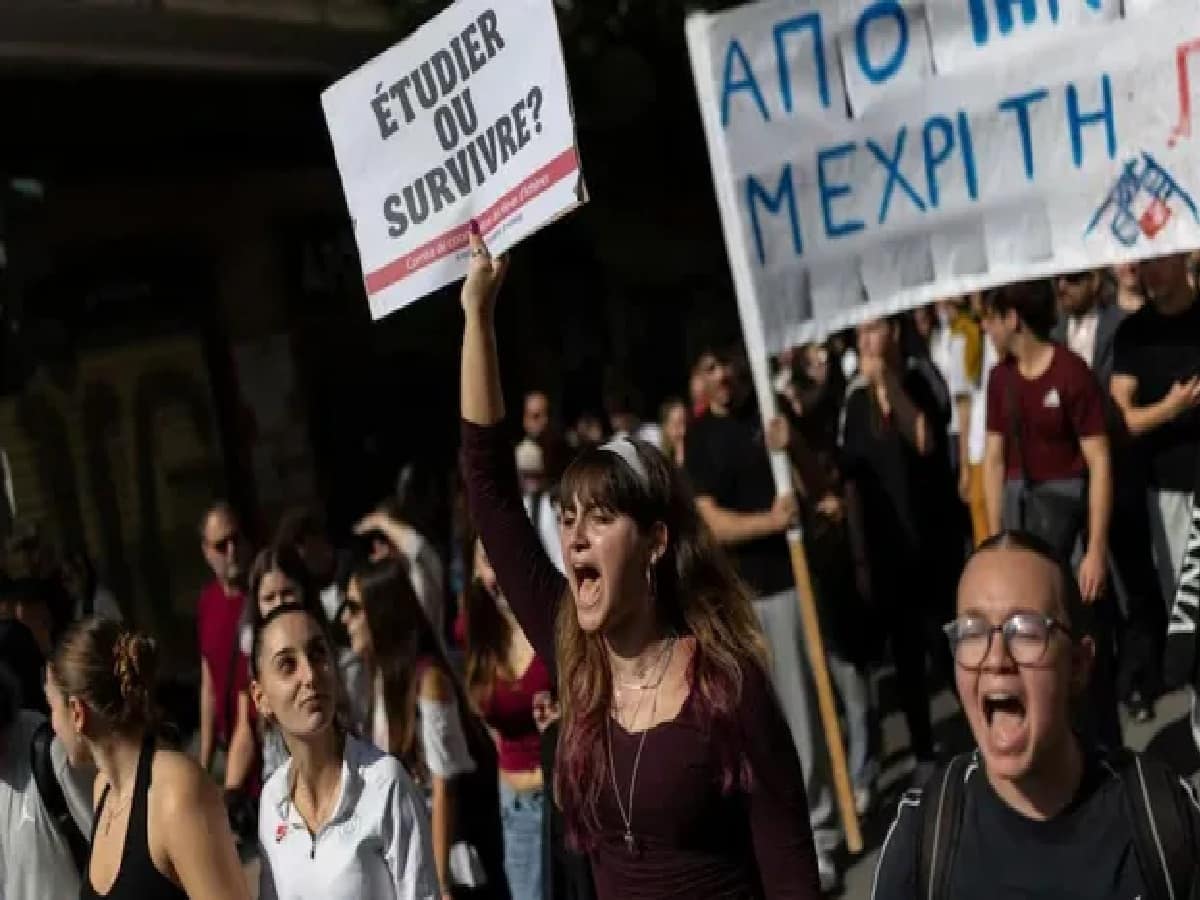
10,000 Students and Teachers March Against Stagnant Wages and Failing Schools
More than 10,000 students, educators, and public sector workers marched through central Athens on Wednesday, October 21, 2026, staging one of Greece's largest civil mobilizations in recent months against deteriorating classroom conditions, severe staffing deficits, and unyielding wage stagnation. University scholars and school faculties rallied through the capital’s central boulevards toward the Hellenic Parliament, mirroring similar anti-austerity and education demonstrations flaring across Western Europe, including France. Although Greece has formally transitioned past its decade-long sovereign debt bailout programs, everyday citizens continue to grapple with persistent cost-of-living hardships, inflated grocery bills, high energy tariffs, and soaring residential rents, turning popular frustration directly onto Prime Minister Kyriakos Mitsotakis’s conservative administration.
Overnight Camps in Syntagma Square and Solidarity Strikes Disrupt Public Services
The demonstration gained momentum on the eve of the main march, as student groups pitched makeshift tents across Syntagma Square directly facing parliament, staging an overnight vigil while chanting slogans such as "From Greece to France, we want public and free education." By morning, the demonstration expanded nationwide, with parallel rallies breaking out in several regional Greek cities. The nationwide movement was bolstered by primary school teachers and municipal healthcare professionals who walked off their jobs in coordinated solidarity strikes, significantly disrupting operations across government-run primary schools and state hospital clinics. Protesters are demanding immediate state budgetary interventions to repair dilapidated campus infrastructure, establish enforceable caps on classroom student density, and deliver salary adjustments commensurate with national inflation rates.
Electoral Heat on Mitsotakis Government as Education Ministry Vows Review
With Greece scheduled to hold parliamentary elections in mid-2027, the street mobilization represents a growing political challenge for the ruling New Democracy government. While headline economic growth figures suggest financial stabilization following years of strict European fiscal oversight, the broader public argues that real purchasing power has eroded under escalating urban rent hikes and sluggish private-sector compensation. In response to the swelling street unrest, Education Minister Sofia Zacharaki stated that the government is actively monitoring the protesters' grievances, openly conceding that an acute housing affordability crunch has placed unprecedented financial strain on Greek families. Nevertheless, student unions and teachers' syndicates have warned that protests will continue to escalate unless concrete fiscal funding and public-sector wage enhancements are formally integrated into the upcoming national budget.




