







Papankusha Ekadashi: Parana Timings, Sacred Vishnu Puja Rituals, and the Purana Legend
The sacred occasion of Papankusha Ekadashi—also reverently celebrated as Papasankusha Ekadashi or Ashwin Shukla Ekadashi—is observed on Thursday, October 22, 2026, across India and among Vaishnava communities worldwide. Falling on the eleventh lunar day of the bright waxing fortnight in the holy month of Ashwin, this dedicated 24-hour fast is revered in Sanatan Dharma as an unshakeable spiritual shield designed to rein in sinful tendencies and secure the divine benevolence of Lord Vishnu. Astrological panchang calculations establish that while the Ekadashi tithi commenced on October 21 at 9:41 AM and formally concluded on October 22 at 10:17 AM, the day-long fast is observed today in accordance with traditional Udaya Tithi principles. For devotees undertaking the rigorous vrata, the highly auspicious Parana window for breaking the fast on Friday, October 23, 2026, is demarcated between 7:38 AM and 9:41 AM, well before the Dwadashi tithi draws to an official close at 10:15 AM.
Sacred Puja Vidhi, Shaligram Abhishekam, and Powerful Vishnu Mantras
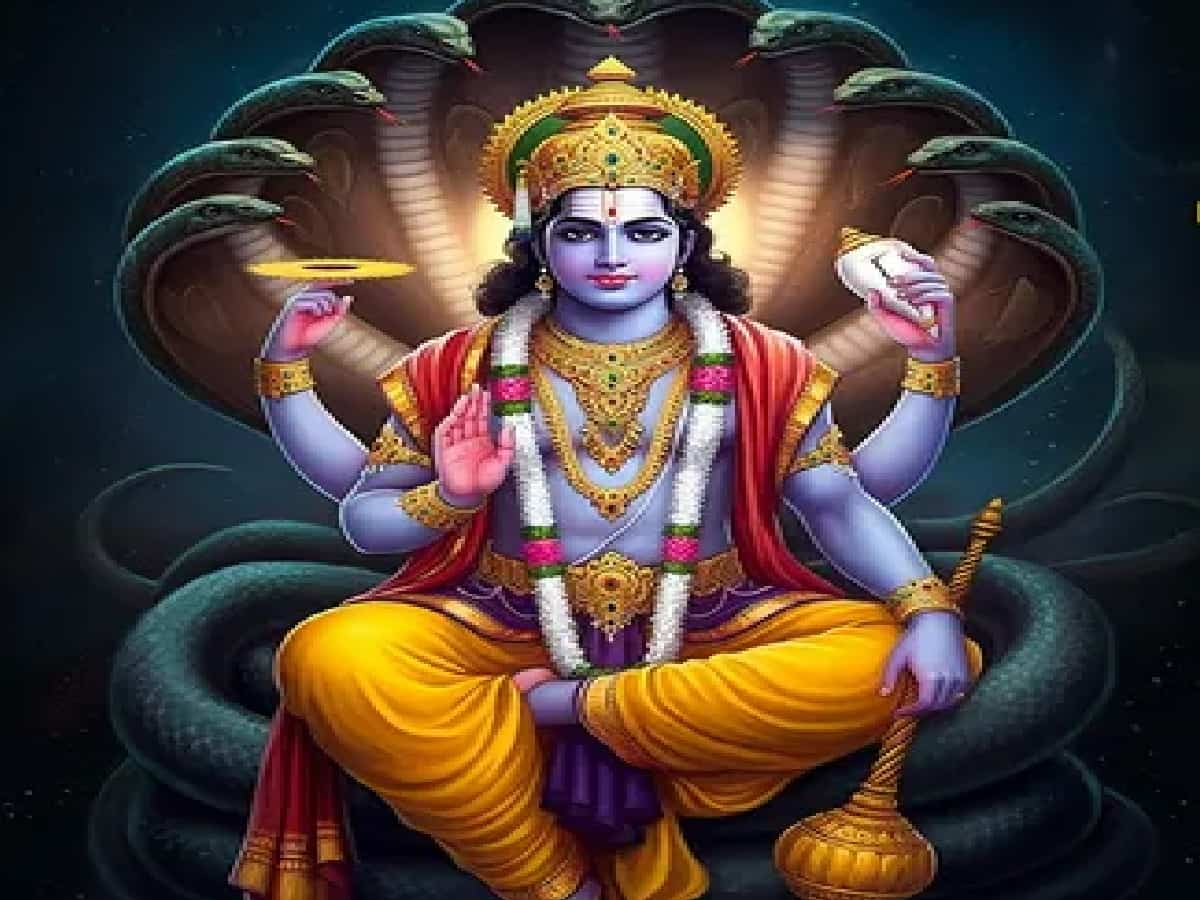
Vedic tradition mandates that observing Papankusha Ekadashi begins before dawn with a ritual purification bath and a heartfelt vow of devotion (sankalp), dedicating thoughts, words, and actions to Lord Vishnu, Goddess Lakshmi, and the sacred Tulsi plant. Practitioners install an idol or portrait of Lord Vishnu upon a sanctified wooden altar, illuminate a pure cow ghee lamp, offer fresh fragrant blooms, apply cool sandalwood paste (chandan), and present satvik food offerings (bhog) crowned indispensably with unblemished Tulsi sprigs. Worshipping the Shaligram stone on this day holds exceptional merit, with scriptures encouraging a sacred abhishekam using pure water and Panchamrit alongside fresh basil leaves. To preserve the spiritual potency of the vrata, daytime slumber is strictly prohibited, with devotees urged to spend the waking hours engaged in devotional meditation, reciting the Vishnu Sahasranama, and chanting potent sacred mantras including "Om Namo Narayanaya," "Om Namo Bhagavate Vasudevaya," and the Hare Krishna Mahamantra to invite vitality, peace, and domestic harmony.
The Brahma Vaivarta Purana Legend: How Sage Angira Saved Hunter Krodhana
The foundational spiritual narrative behind this sacred fast originates in the ancient Brahma Vaivarta Purana, where Lord Krishna explains the profound efficacy of Papankusha Ekadashi to King Yudhishthira through the historical chronicle of a ruthless hunter named Krodhana. Having spent decades engaged in cruelty, deceit, and rampant violence in the wilderness without a trace of remorse, Krodhana was suddenly gripped by existential terror as old age approached, dreading the agonizing torment awaiting his soul in the afterlife. Seeking redemption, the terrified hunter traversed the dense forest to the hermitage of the revered sage Angira, falling at the ascetic's feet to beg for spiritual absolution. Moved by the hunter's genuine repentance, Sage Angira instructed him to observe the rigorous fast of Papankusha Ekadashi on the bright fortnight of Ashwin with complete surrender to Lord Vishnu. Krodhana observed the sacred penance precisely as instructed, successfully purifying his karmic slate and attaining liberation from spiritual distress. Scriptural commentaries emphasize that observing this singular vrata yields the sacred merit equivalent to performing a thousand Ashwamedha Yagnas, a Surya Yagna, and visiting all major tirthas across the subcontinent, granting sincere devotees enduring health, material prosperity, and ultimate spiritual elevation.




