
 desk
desk Share
Share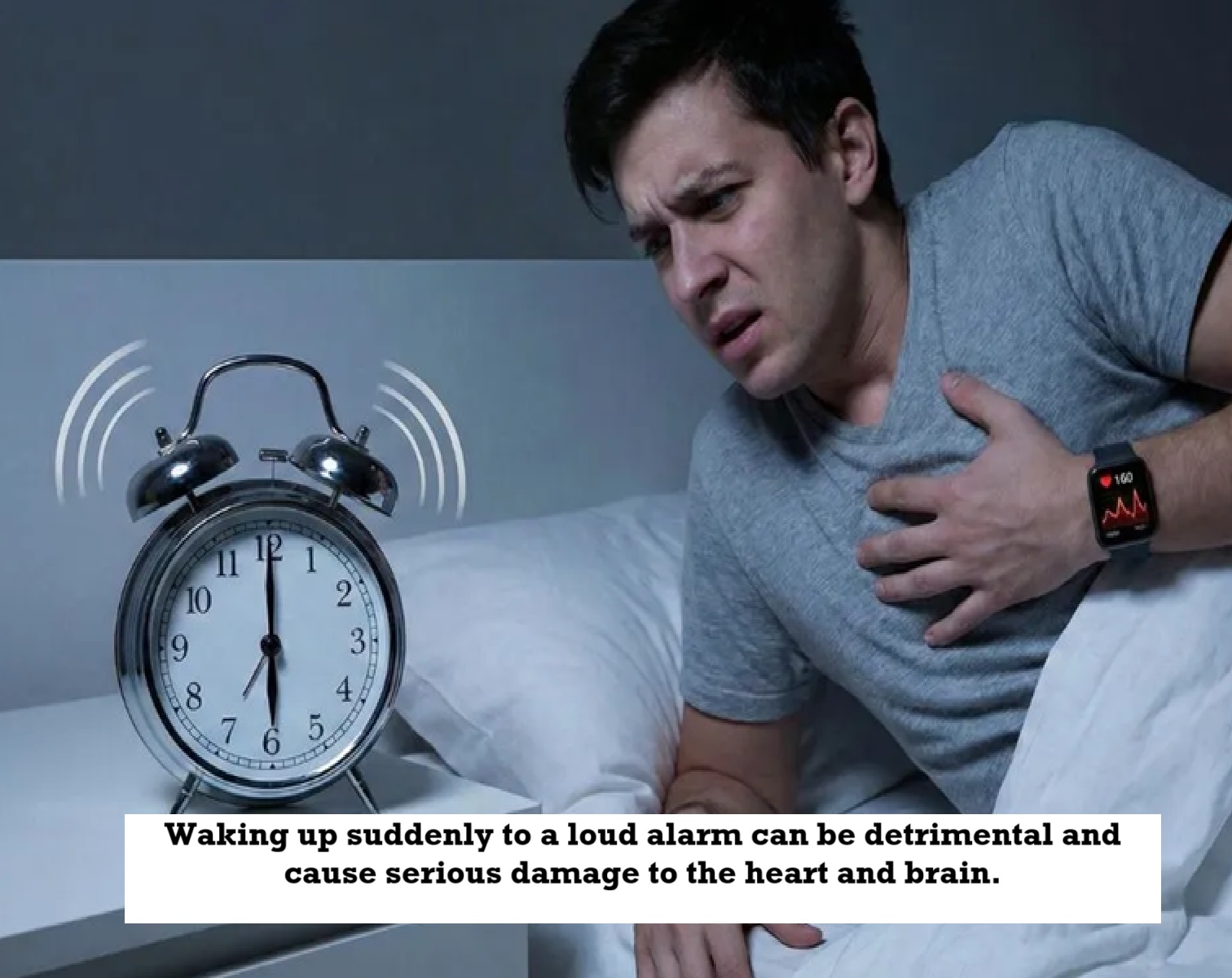
News Topical, Digital Desk : These days, most people wake up to the loud sound of their alarm clock. This is a very common method of waking up on time in the morning, followed by almost everyone. But did you know that waking up suddenly to such a loud noise can be harmful to your health (Side Effects of Loud Alarm Clock)?
Yes, the loud sound of an alarm clock jolts you awake, but such a sudden jolt can increase your heart rate and be detrimental to your health. Let's learn how alarm clocks can harm your health.
stress response
When we're fast asleep and suddenly hear a loud alarm, our body goes into "fight or flight" mode. This causes a rapid increase in the levels of the stress hormones cortisol and adrenaline. The heart rate suddenly speeds up, blood pressure rises, and blood flow changes throughout the body. If this happens repeatedly, it can increase the risk of high blood pressure, heart disease, and metabolic problems.
impact on mental health
Waking up to a loud alarm can have a negative impact on your mental state throughout the day. People who wake up this way often start the day feeling irritable. Focusing is affected, and productivity can decrease. In the long run, it can contribute to symptoms of anxiety and depression.
Interruption of the sleep cycle
Our sleep cycles occur in 90-minute cycles, consisting of light sleep, deep sleep, and REM cycles. Waking up suddenly during deep sleep or REM cycles disrupts sleep. This can lead to fatigue, drowsiness, and a lack of energy throughout the day.
What is the better option?
- Don't use a loud alarm to wake you up in the morning. Instead, use a mild sound or one that gradually gets louder. This will prevent your body from being jolted.
- Sleep for at least 7-8 hours every day, so that you feel fresh in the morning.
- Set a set time for your sleep and wake-up time. This will set your body clock and automatically wake up at that time every day.
Read More: Why do you feel sleepy again and again after lunch, is this a symptom of some disease?
--Advertisement--


