One Nation, One Digital Metro Card: BJP MP Demands Unified Transit System for Delhi, Lucknow, Patna, and Other Cities in Parliament
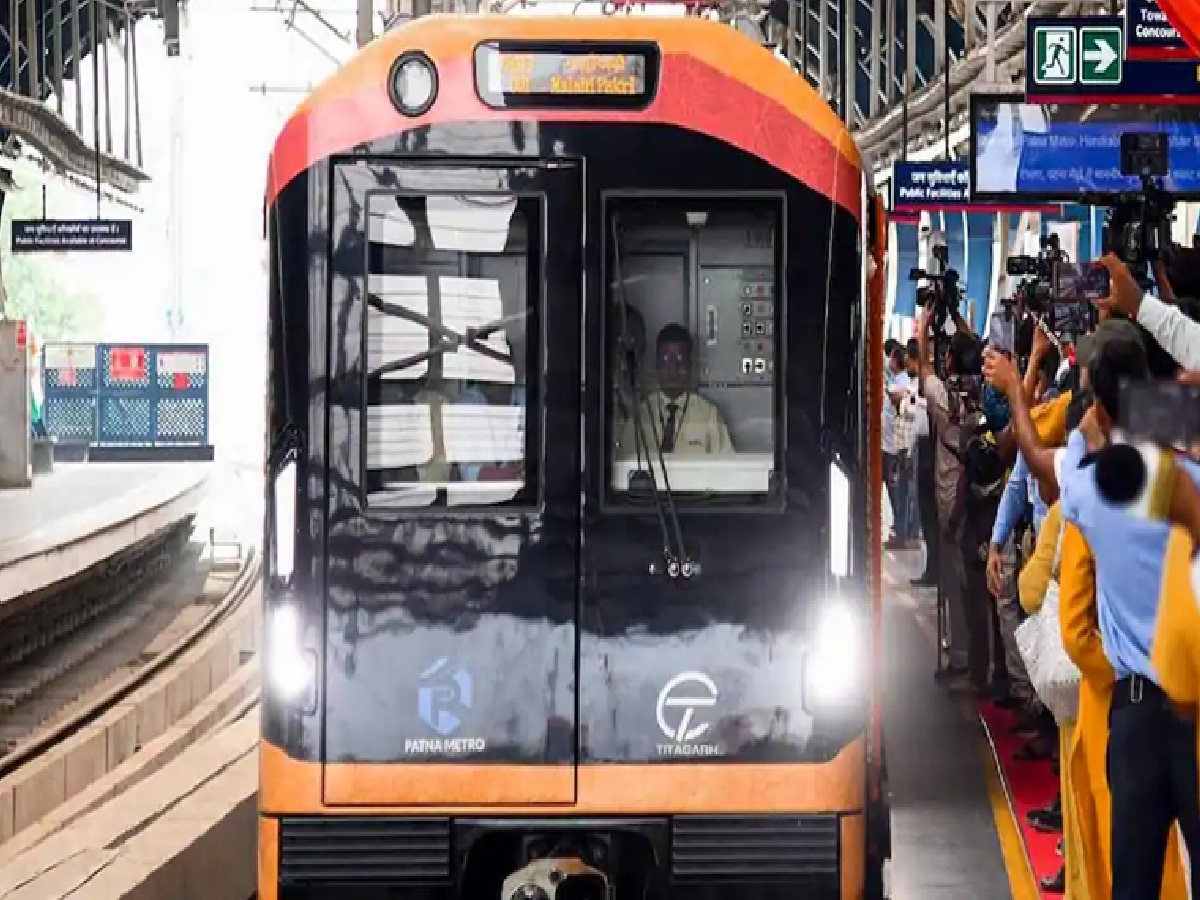
Traveling across India's sprawling urban transit networks may soon become significantly more seamless for daily commuters and frequent travelers. Highlighting a major logistical inconvenience faced by millions of citizens who use public transit across multiple metropolitan cities, the demand for a unified transit solution has officially echoed inside Parliament. During Zero Hour in the Rajya Sabha on Thursday, Bharatiya Janata Party (BJP) MP Surendra Singh Nagar raised a compelling pitch for introducing a "One Nation, One Digital Metro Card," asserting that a single, interoperable digital transit pass is the need of the hour to enhance passenger convenience and modernize urban mobility across cities like Delhi, Lucknow, Jaipur, Bhopal, and Patna.
Expanding Metro Network and Current Commuter Struggles
Emphasizing the exponential growth of urban rail infrastructure in the country, the Rajya Sabha member noted that India currently boasts the third-largest metro network in the entire world. Pointing out the scale of expansion, Nagar stated that approximately 1,090 kilometers of metro network are already operational across 24 cities, while an equivalent network stretch is actively under construction, backed by a record budgetary allocation of ₹28,740 crore for metro projects in the 2026-27 financial year. However, he pointed out that this rapid expansion has introduced a distinct logistical hurdle: commuters visiting different cities are forced to purchase separate physical transit cards or tokens, as traditional plastic metro cards issued in one city remain entirely invalid in another.
Environmental Benefits and Enhanced Digital Security
Advocating strongly for a transition toward digital-first transit solutions, the parliamentarian explained that traditional plastic metro cards pose environmental challenges. Because these cards are embedded with internal chips and antennas, they are difficult to recycle and actively contribute to carbon generation, a problem that would be entirely eliminated by adopting digital metro cards. Furthermore, linking a digital metro card directly to a commuter's mobile phone safeguards users against financial loss. Unlike physical cards, where losing the plastic pass results in the permanent loss of the remaining balance due to a lack of instant blocking mechanisms, a digital variant integrated with mobile applications ensures seamless security, easy account recovery, and hassle-free transit for travelers nationwide.