Judge Ravi Diwakar Invokes Damini Dialogue to Slam 11-Year Trial Delay as Accused Acquitted
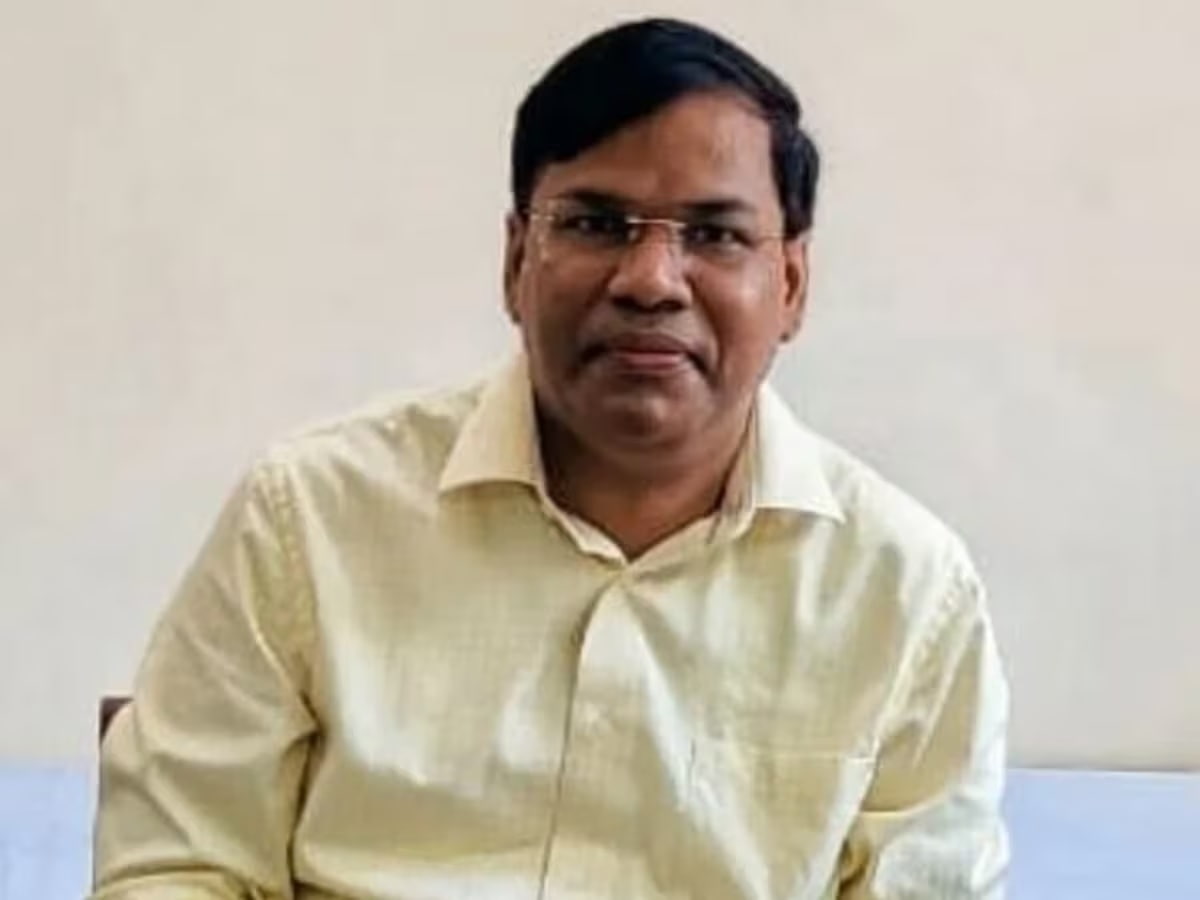
Lashing out at systemic inertia within the criminal justice apparatus, Special Judge (NDPS Act) and Additional Sessions Judge (Fast Track Court No. 3) Ravi Kumar Diwakar acquitted an accused named Ashok Bharti in a nearly 11-year-old drug recovery case, remarking that running from pillar to post for over a decade just to prove one's innocence is a grueling punishment in itself. In a striking judicial observation, Judge Diwakar invoked actor Sunny Deol’s iconic dialogue from the cult Hindi film Damini—"Tarikh par tarikh milti rahi hai lekin insaaf nahi mila" (Dates follow dates, yet justice remains elusive)—underscoring the tragic human cost inflicted on ordinary citizens by chronic courtroom adjournments and protracted legal battles.
Flawed 2015 Nai Mandi Hashish Seizure Collapses in Court
The matter originated on October 21, 2015, when a patrolling team led by Sub-Inspector Bachan Singh from the Nai Mandi police station in Muzaffarnagar intercepted Ashok Bharti near the Balaji Dham Temple turn toward Bhartiya Colony. The police claimed they chased and apprehended Bharti on suspicion, purportedly discovering a polythene packet containing 150 grams of hashish (charas) concealed inside his right kurta pocket, with 20 grams subsequently carved out for forensic sampling. However, after scrutinizing the entire prosecution dossier, Judge Diwakar ruled that the state had miserably failed to substantiate the charges beyond reasonable doubt, exposing glaring evidentiary contradictions, missing corroborations, and structural procedural lapses that fatally derailed the trial.
Blatant Violations of Section 50 NDPS Act and Missing Independent Witnesses
The judgment thoroughly picked apart the investigating team's adherence to statutory safeguards under Section 50 of the Narcotic Drugs and Psychotropic Substances (NDPS) Act. Although the recovery memo carried Ashok Bharti’s signature, the court noted that the mandatory consent notice was neither scribed by the accused himself nor did it bear the endorsement or signature of an independent scribe. Crucially, while police officers admitted that civilians and passersby were present around the bustling temple vicinity, not a single independent witness was officially enrolled in the recovery memo or charge sheet. Severe discrepancies also surfaced in the testimony of prime police witness SI Bachan Singh, who claimed during cross-examination that the weight of the recovered contraband was accidentally omitted in the case report, despite the formal seizure documentation stating a specific quantity of 150 grams.
Uncorroborated Police Statements Fail the Benchmark of Proof
The prosecution sought conviction by relying exclusively on the depositions of four uniform personnel—Sub-Inspector Bachan Singh, Head Constable Sunil Kumar, Investigating Officer Sub-Inspector Sunil Kumar, and Constable Lal Ji. The bench determined that while the recovery was purportedly executed from bodily clothing, the seizure memo conspicuously failed to record whether the accused had been legitimately apprised of his legal right to demand a search in the presence of a Magistrate or a Gazetted Officer at the time of apprehension, as verbally claimed in the witness box. With the prosecution's entire narrative resting solely on conflicting police statements stripped of independent corroboration, the court directed Ashok Bharti’s immediate and unconditional exoneration, using the verdict as an indictment of administrative lapses that drag ordinary citizens through decades of trial before justice is delivered.