Hindu Scholars Teach Urdu at Allahabad University, Reshaping Linguistic Traditions
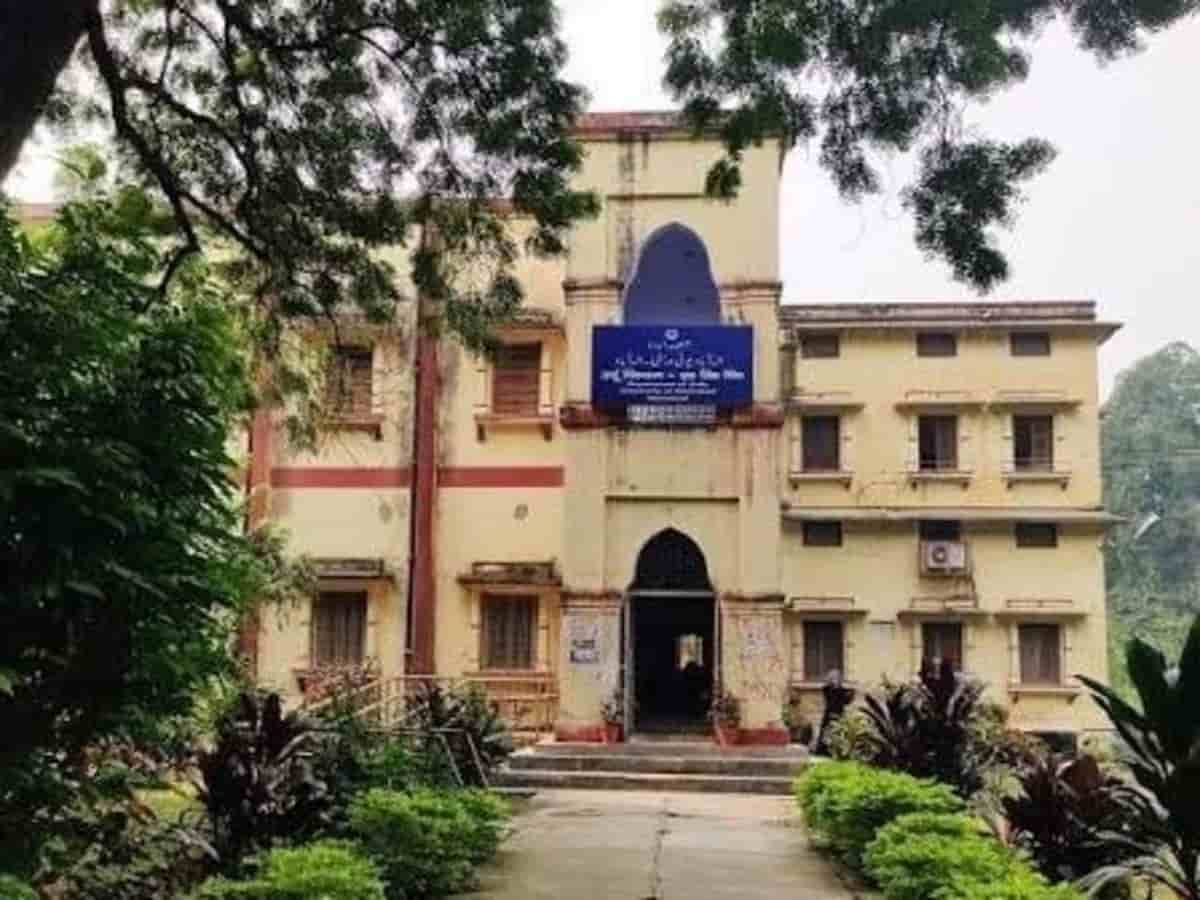
Renowned historically as the "Oxford of the East," the University of Allahabad is offering an inspiring testament to composite linguistic heritage and interfaith unity through its Department of Urdu. Disproving common socio-linguistic misconceptions that tether languages strictly to sectarian boundaries, the academic faculty in the department currently reflects an exceptional cultural synthesis, with almost half of its teaching strength composed of Hindu scholars. This unique dynamic highlights Urdu's organic evolutionary roots within the broader Indian linguistic matrix, reinforcing its historical bond with Hindi, classical Hindustani literature, and the inclusive cultural traditions of northern India.
Meet the Faculty: Academic Excellence Transcending Religious Identities
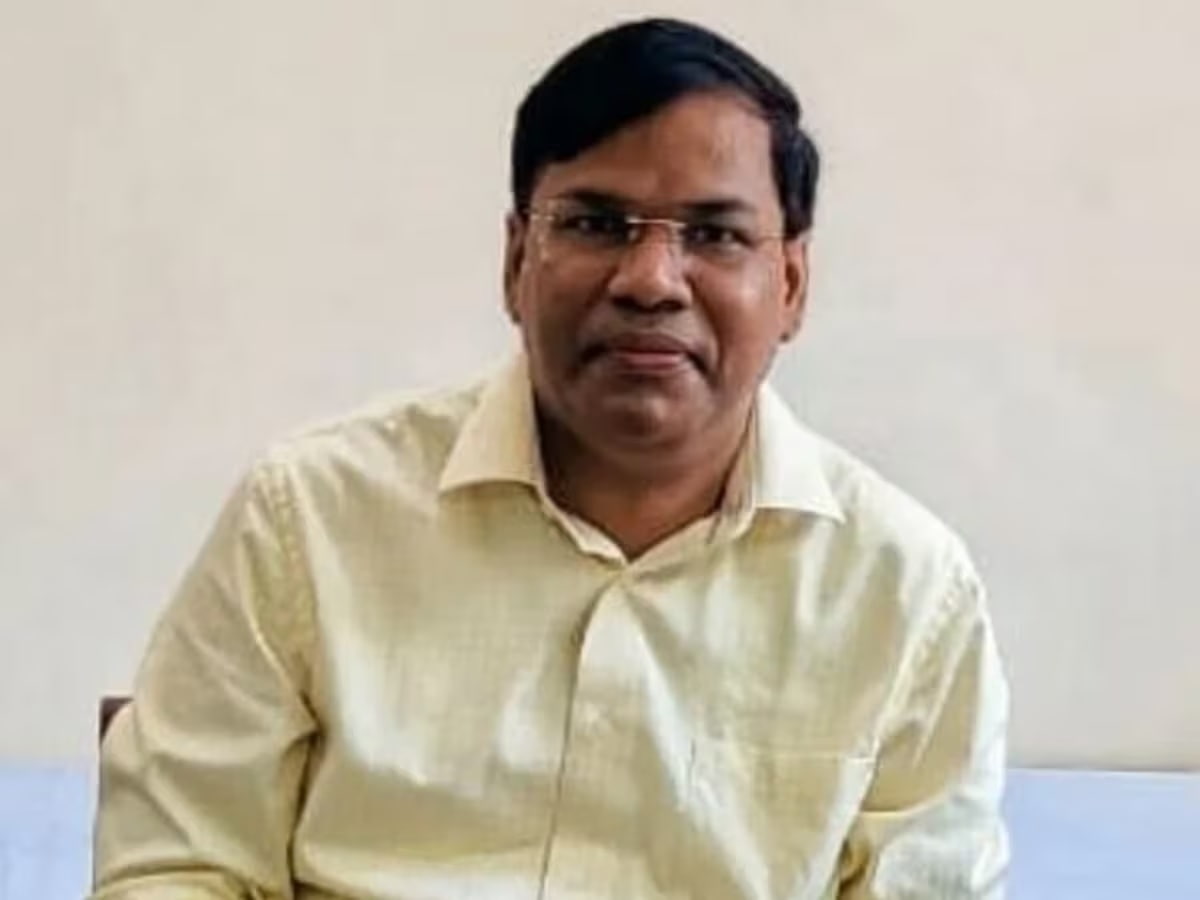
The Department of Urdu at Allahabad University currently operates with a cohesive cadre of seven distinguished educators dedicated to advancing literary research, poetics, and linguistic philology. Among these scholars, three are Hindus: Associate Professor Dr. Sanjay Kumar, along with Assistant Professors Ashutosh Srivastava and Suraj Kumar. They teach in tandem with their Muslim colleagues—Dr. Shahid Malik, Dr. Tahira Parveen, Dr. Zafar Ullah Ansari, and Dr. Mohammad Kasib—creating an intellectual environment that prioritizes deep textual criticism, classical poetry, literary history, and grammar over religious labels. The faculty collectively guides undergraduate, postgraduate, and doctoral researchers through complex nuances of classical and modern Urdu literature, emphasizing shared syncretic roots.
Upholding Prayagraj’s Ganga-Jamuni Tehzeeb on a Premier Academic Campus
Students and faculty across the campus observe that the Urdu department stands as a living symbol of Prayagraj’s celebrated Ganga-Jamuni tehzeeb (composite cultural harmony). The presence of Hindu educators actively mentoring students in Urdu poetry, ghazal prosody, and classical prose provides learners with a transformative educational perspective, allowing them to approach language solely through an academic and aesthetic lens rather than a sectarian one. This cross-cultural scholastic collaboration not only enriches the academic rigor of the institution, but also projects an enduring message of communal amity, intellectual broadmindedness, and collective ownership of India’s shared literary treasures.