CM Yogi Hails GB Pant as Architect of India's Modern Statehood
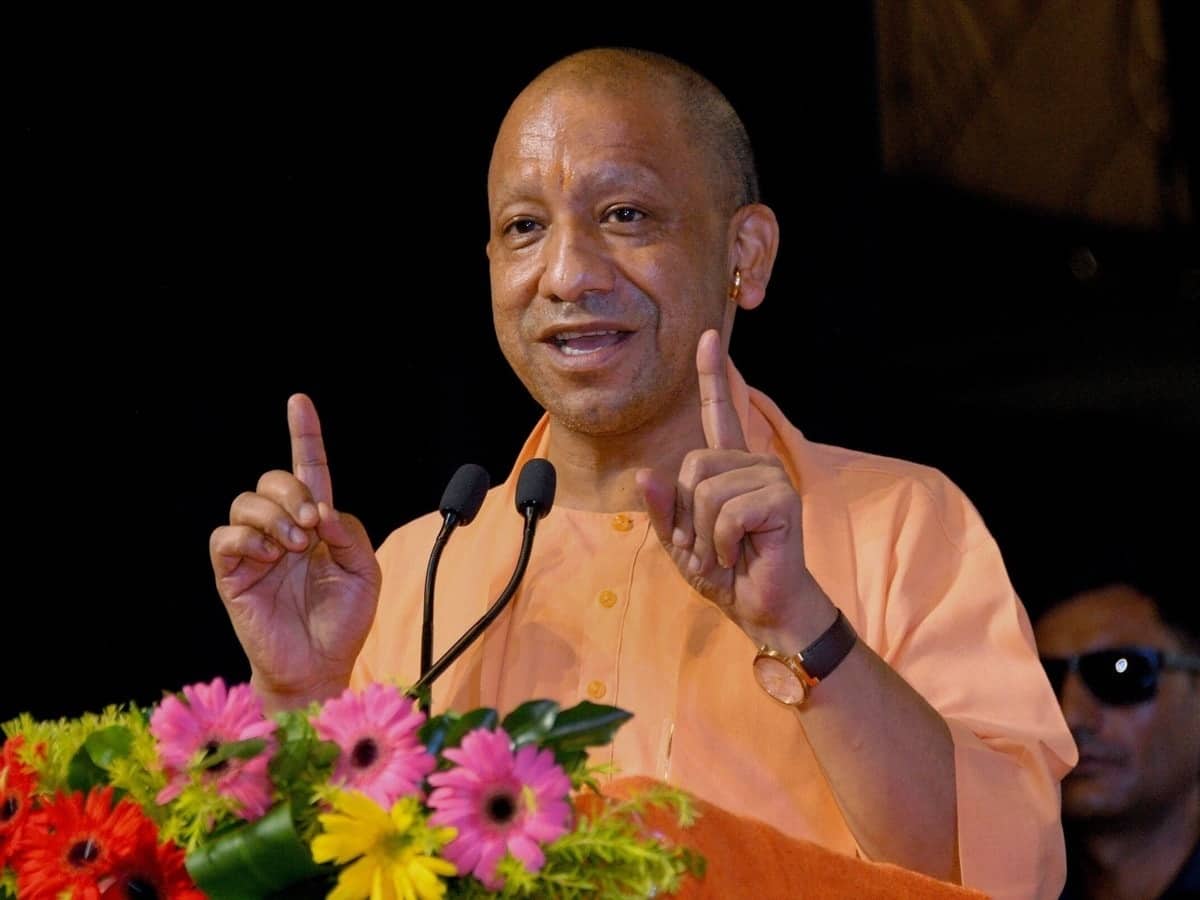
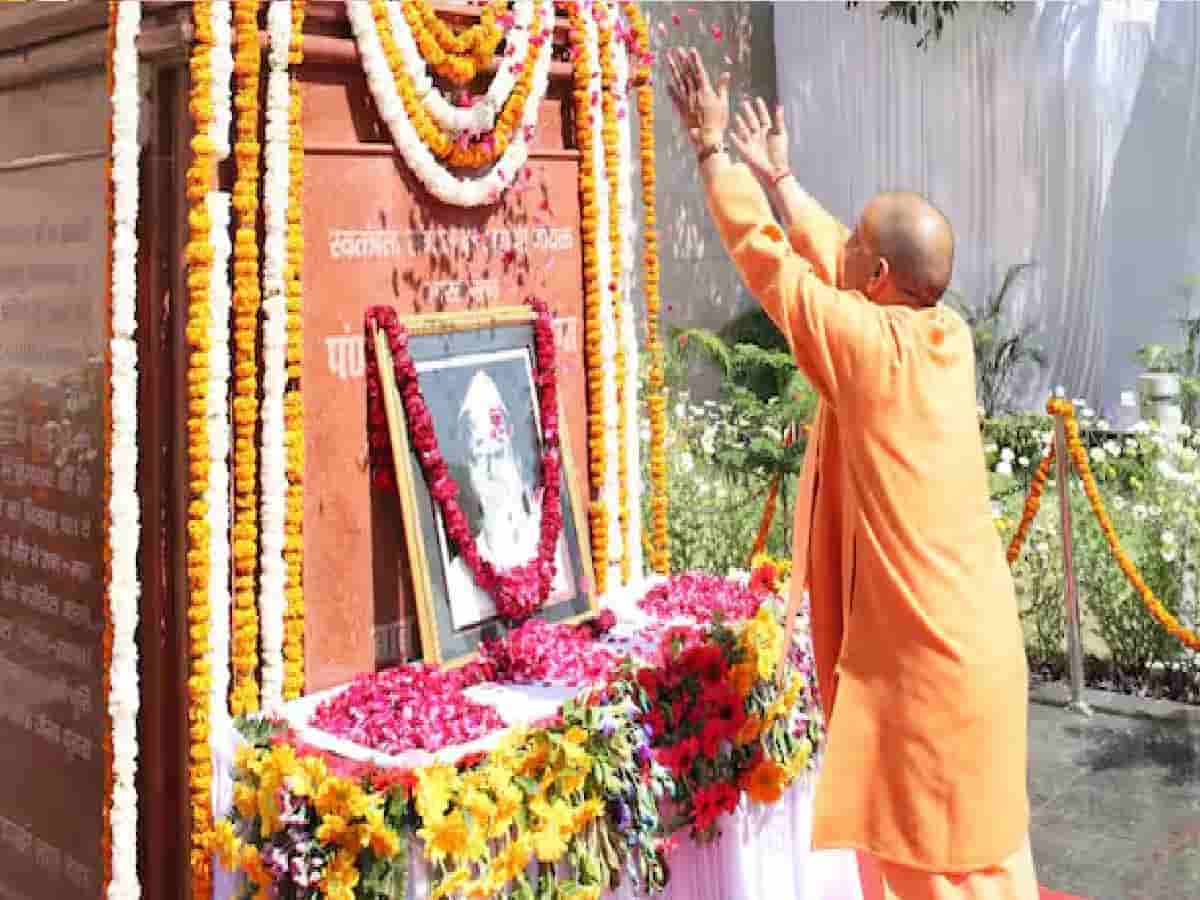
Paying homage to one of the most towering architects of modern India, Uttar Pradesh Chief Minister Yogi Adityanath led a solemn floral tribute to Bharat Ratna Pandit Govind Ballabh Pant on his 139th birth anniversary at the Lok Bhavan complex in Lucknow. Flanked by prominent public representatives, cabinet colleagues, and senior state administrators, the Chief Minister laid fresh marigold wreaths at the memorial statue of Uttar Pradesh’s founding leader. Emphasizing Pant's life as an uncompromising beacon of public duty, Yogi Adityanath underscored that Pant’s dual mastery of constitutional law and grassroots mobilization continues to guide democratic governance across the northern heartland.
Legal Shield for Kakori Patriots and Grassroots Resistance
Pandit Pant’s entry into national consciousness was defined by fierce courtroom battles and uncompromising anti-colonial resistance. Following the daring Kakori train action of 1925, when colonial British authorities leveled treason charges against young revolutionaries, Pant stepped forward as chief defense counsel, placing legal integrity and patriotic solidarity ahead of professional safety. His astute advocacy exposed the procedural malice of the colonial bench, cementing his reputation as a courageous legal defender of Indian sovereignty. Later, as Premier of the United Provinces in 1937, he demonstrated administrative excellence before walking away from power to rejoin the mass civil movements that eventually dismantled the British Raj.
Laying Uttar Pradesh's Foundational Governance After 1947
Assuming the mantle of the first Chief Minister of independent Uttar Pradesh in 1947—which then encompassed the mountainous expanses of modern Uttarakhand—Pandit Pant faced the monumental challenge of rehabilitating partition refugees and stabilizing a broken agrarian economy. His governance blueprint prioritized comprehensive rural development, social welfare across marginalized strata, and structural economic revitalization. He enacted sweeping agrarian protections and introduced pioneering land reforms that curbed feudal landlord systems, transforming Uttar Pradesh into an organized, welfare-oriented state machinery during an era of unprecedented national fragility.
Guarding National Unity as Union Home Minister in 1954
Elevated to Union Home Minister of India in 1954, Pandit Pant brought seasoned statesmanship to New Delhi during an era marked by turbulent internal borders and fierce linguistic agitations. He moved swiftly to neutralize divisive regional factions, defuse cultural fault lines, and fortify the territorial and emotional cohesion of the young republic. Pant's diplomatic skill in handling delicate internal security portfolios preserved sovereign federal balance while elevating the Hindi language as an official administrative pillar. Chief Minister Yogi Adityanath noted that Pant's steadfast commitment to an indivisible, sovereign India remains an enduring source of inspiration for present and future generations of public servants.