Heavy Vehicles Banned on Phaphamau Bridge: New Bus Routes and Higher Fares
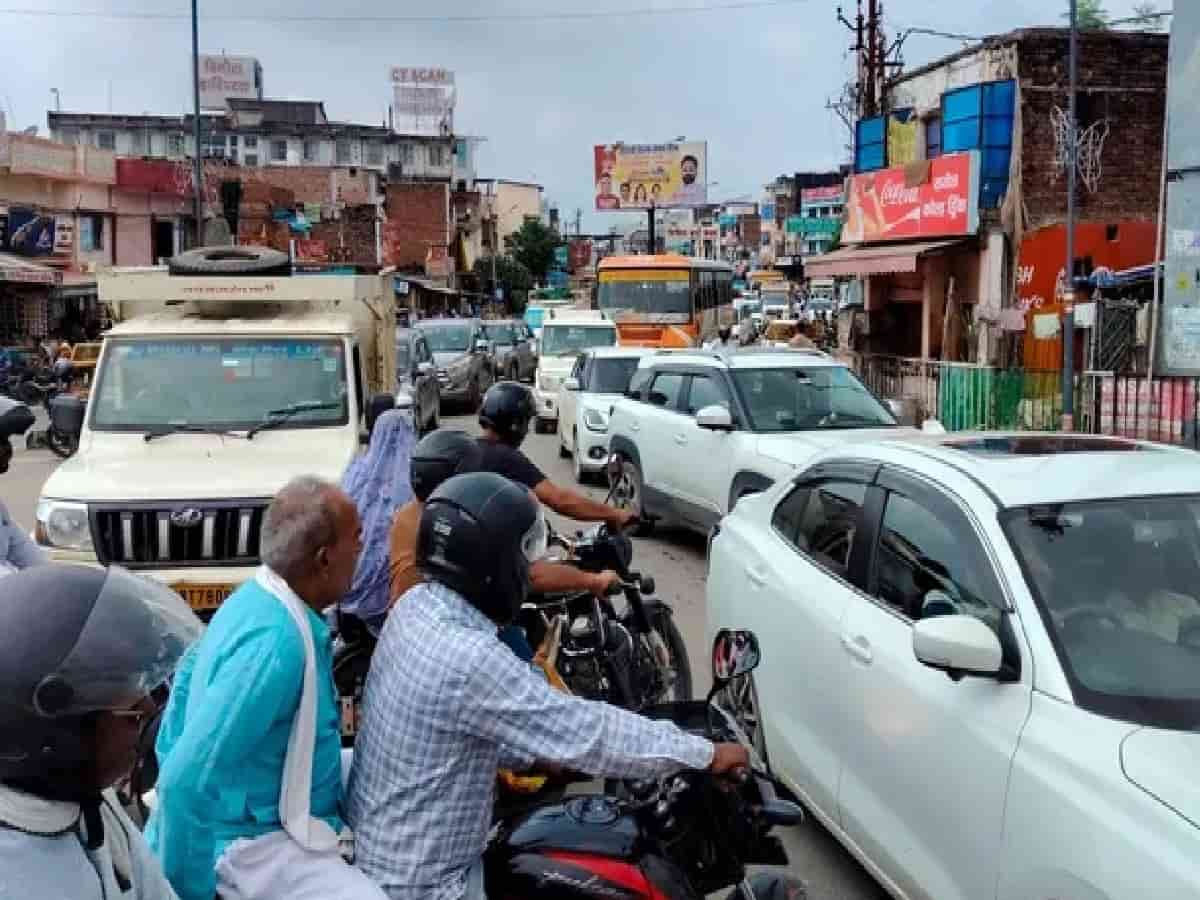
Following relentless gridlock that paralyzed the northern gateway of Prayagraj since September 8, the district administration and city traffic police have enforced an immediate restriction on heavy commercial vehicular movement across the critical Phaphamau Ganga Bridge. With traffic management breaking down amid persistent chokepoints along the Prayagraj-Lucknow highway corridor, regional authorities have issued a comprehensive diversion protocol. All public roadways buses, multi-axle freight trucks, and heavy commercial carriers are barred from the aging river crossing, redirecting regional commuter transit through alternate corridors in Jhunsi and Sahson to restore basic mobility for local residents.
Phaphamau Bridge Exclusively Reserved for Light Vehicles and Pedestrians
Under the freshly issued executive transit orders, the Phaphamau Bridge remains open strictly for non-commercial and emergency light transportation. The span is now designated solely for daily pedestrians, non-motorized cycles, two-wheelers, auto-rickshaws, and private passenger cars. Civic authorities anticipate that eliminating heavy, lumbering roadways buses and bulky cargo lorries will eliminate structural bottlenecks, ensuring an uninterrupted flow of commuter traffic and rescuing thousands of office-goers, students, and emergency ambulances from enduring multi-hour blockades under harsh weather conditions.
Comprehensive Diversion Map for Lucknow, Pratapgarh, and Ayodhya Buses
Under the newly restructured transit blueprint, state transport buses departing from central bus depots will bypass the northern artery entirely. Buses must now navigate through the CMP Degree College intersection, Sohbatiabagh, and Bairhana before crossing the sacred Ganga via Shastri Bridge at Jhunsi. For travelers headed toward Ayodhya and Pratapgarh, buses will proceed past Jhunsi across the Sahson bypass, connect with the Kanpur Highway link, and steer toward the Pratapgarh highway through the Bhavpur intersection in Soraon. Concurrently, Lucknow-bound passenger fleets will detour across the Sahson belt to access the Nawabganj bypass corridor via Lalgopalganj before rejoining National Highway 30.
Commuters Face Lengthier Travel Times and Upward Bus Fare Revisions
While the regulatory intervention targets persistent highway bottlenecks, the detour delivers an immediate financial and operational burden onto daily interstate passengers. Navigating the sprawling peripheral bypass adds between twenty to thirty-five extra kilometers to routine journeys, tacking an unavoidable 45 to 60 minutes of additional travel time onto every round trip toward Lucknow, Sultanpur, and Pratapgarh. Because Uttar Pradesh State Road Transport Corporation (UPSRTC) ticketing calculations adhere strictly to traversed route mileage, regional roadways officials have initiated fare updates across digital ticketing software machines, resulting in immediate per-kilometer fare increases for commuters traveling out of Prayagraj.
Urban Gridlock Fears Mount Across Bairhana, Sohbatiabagh, and Shastri Bridge
Urban planners and local civic groups have raised alarms that redirecting heavy transit fleets may trigger secondary traffic bottlenecks within old residential city sectors. Channelling interstate express buses through narrow, high-density neighborhood arteries such as Bairhana, Sohbatiabagh, and the busy CMP crossing threatens round-the-clock gridlock if dedicated traffic marshals are not deployed. Furthermore, urban commuters emphasize that until traffic squads strictly penalize wrong-side driving between Ghoda Crossroads and the bridge entryway, undisciplined light vehicular traffic could still paralyze Phaphamau, defeating the broader purpose of the ban.