
 desk
desk Share
Share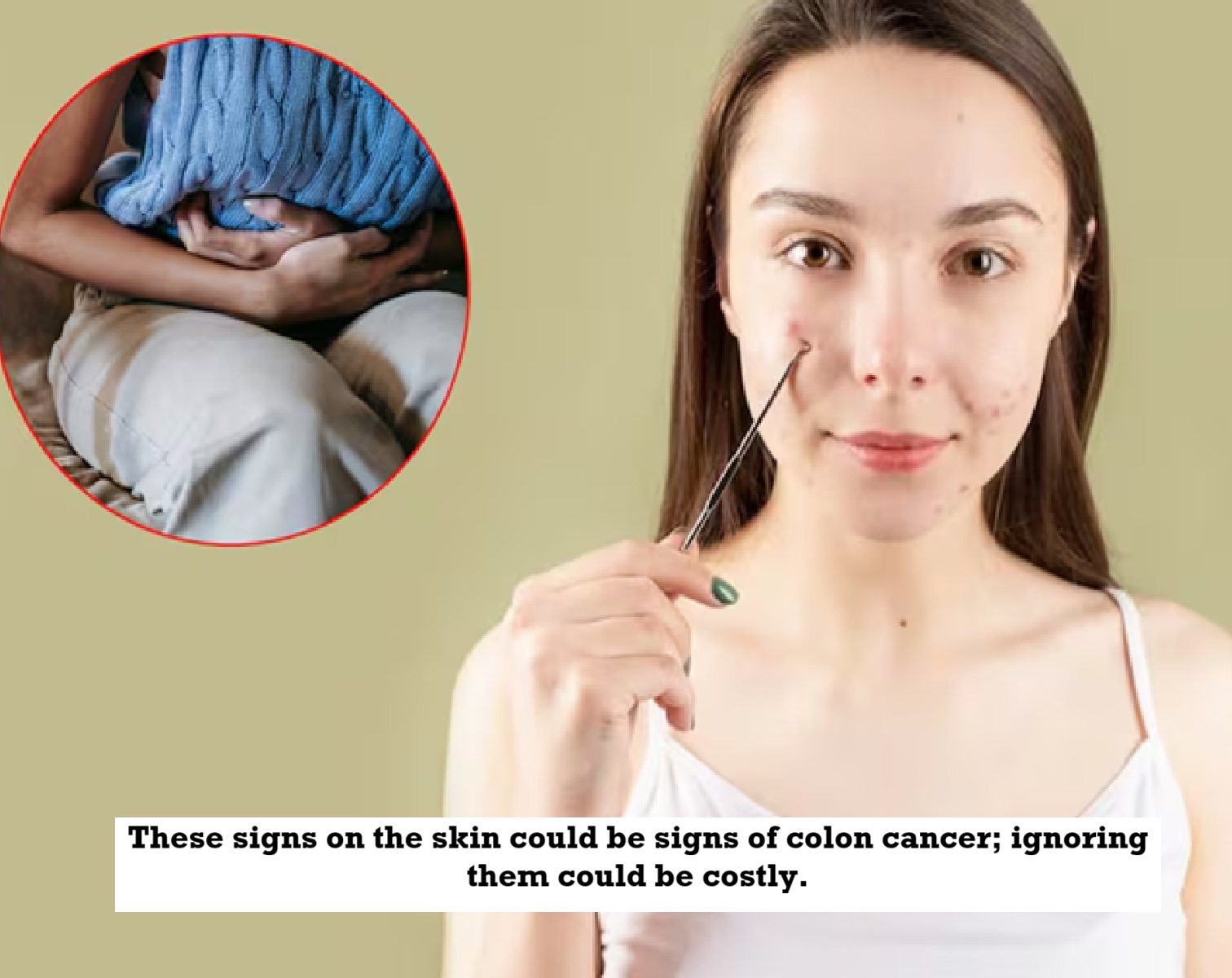
News Topical, Digital Desk : Colon cancer, or colorectal cancer, is one of the fastest-growing cancers in the world. People typically associate its symptoms with digestive symptoms such as abdominal pain, changes in bowel habits, and bleeding. However, experts say that this disease can sometimes show its initial signs on the skin, the largest organ in the body.
If you notice changes like rashes, lumps, discoloration, or sores on your skin, ignoring them can be costly. So, let us explain which signs on your skin indicate colon cancer and how ignoring them can be costly.
How colon cancer affects the skin
The skin often reflects many problems going on inside the body. Skin changes in colon cancer can occur for a variety of reasons, including the spread of cancer cells, the body's immune system, or the effects of cancer treatments. These changes can appear on the torso, arms, or legs and can sometimes appear as mild redness, sometimes as a hard lump, or as an open wound. Experts believe that people with a family history of colon cancer or lifestyle-related risks should pay more attention to these signs. Recognizing symptoms early can make treatment easier.
The most common skin symptoms associated with colon cancer
- Cutaneous nodules - Sometimes colon cancer cells spread to the skin and form hard lumps. These can vary in size and can sometimes be painful. This indicates that the cancer has spread beyond its original site.
- Erythema and inflammatory rashes - Erythema, or redness and swelling of the skin, can appear in colon cancer due to the body's immune response. These patches may appear slightly raised, warm, or itchy and may persist for a longer period of time, resembling a common rash.
- Skin ulcers - Some people may develop skin lesions that do not heal easily. This may be the result of ongoing cancerous processes in the body. However, if they grow slowly or persist, they may also be a warning sign.
- Hyperpigmentation and discoloration – In some cases, the skin may become darker. This may be due to metabolic changes in the body or the effects of cancer treatments. These changes may gradually appear on the torso, arms, or face.
- Acne-like rash or persistent rash – Some people may experience acne-like rash or a widespread rash that doesn't respond to normal skincare. This could also indicate cancer.
Possible causes of colon cancer that affect the skin
- Spread of cancer cells to the skin – Sometimes, cancer spreads through the blood or lymph system to the skin and forms lumps there. This condition is rare but serious.
- Side effects of cancer treatment – Chemotherapy or targeted therapy can cause symptoms like dryness, redness, rash or acne in the skin.
- Immune reaction and paraneoplastic syndromes – Cancer alters the body's immune function, which can cause thickening of the skin, red patches, or unusual rashes. These symptoms often appear before digestive symptoms.
- Metabolism and hormonal changes – Cancer affects the chemical balance of the body, which can change the color and texture of the skin.
Read More: Why do you feel sleepy again and again after lunch, is this a symptom of some disease?
--Advertisement--


